How to make homemade organic pest spray for edible plants?

Keeping your edible plants healthy and pest-free without resorting to harsh chemicals is a top priority for many home gardeners. Organic pest control not only protects your family and pets but also preserves beneficial insects and the overall ecosystem of your garden. Thankfully, you don’t need expensive commercial products to achieve this. With a few common household items, you can create powerful, natural pest deterrents right in your kitchen.
Why Choose Homemade Organic Sprays?
Opting for homemade organic pest sprays offers numerous advantages over synthetic alternatives. First and foremost, safety is paramount, especially when dealing with fruits, vegetables, and herbs you intend to eat. These natural solutions minimize exposure to harmful residues, ensuring your produce remains clean and wholesome. Furthermore, they are often much more cost-effective, utilizing ingredients you likely already have on hand. Environmentally, they are a gentler choice, reducing chemical runoff and promoting a healthier soil microbiome and biodiversity within your garden.
Essential Ingredients for Organic Pest Sprays
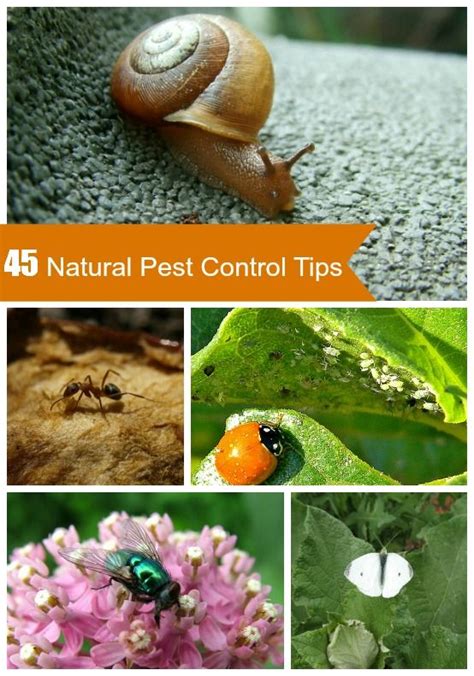
The beauty of homemade pest sprays lies in their simplicity and the accessibility of their ingredients. Here are some of the most effective and commonly used components:
- Dish Soap: Look for a mild, biodegradable, liquid dish soap (avoid detergents with degreasers or bleach). It acts as an emulsifier and suffocant, breaking down the waxy coating on soft-bodied insects like aphids, mites, and whiteflies.
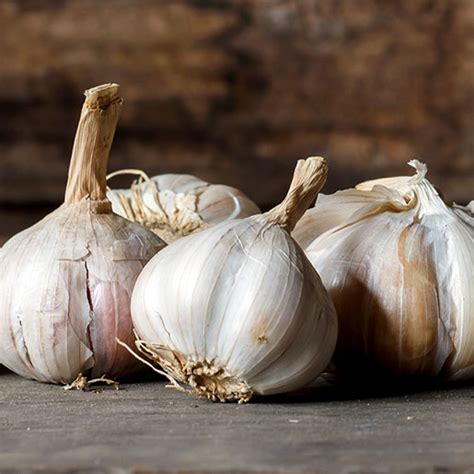
- Garlic: The pungent compounds in garlic are natural insect repellents and can deter a wide range of pests due to their strong odor.
- Chili Peppers: Capsaicin, the active ingredient in chili peppers, irritates and repels many insects and even larger garden nuisances.
- Neem Oil: A powerful natural insecticide derived from the neem tree, neem oil disrupts insect feeding and growth cycles. While often bought, it’s a key ingredient in many organic regimens.
- Herbs & Spices: Herbs like mint, rosemary, and basil, and spices like cayenne pepper, can also contribute to pest-repelling sprays.

Popular Homemade Pest Spray Recipes
1. Garlic Pest Spray (General Repellent)
This spray is excellent for deterring a broad spectrum of pests, including aphids, slugs, and certain beetles.
Ingredients:
- 5-6 cloves of garlic, minced
- 1 teaspoon mild liquid dish soap
- 1 pint (approx. 2 cups) water
Instructions:
- Blend the minced garlic with a small amount of water until smooth.
- Let the mixture sit for at least 12-24 hours.
- Strain the garlic pulp, keeping the liquid.
- Mix the garlic liquid with the remaining water and add the dish soap.
- Pour into a spray bottle.
2. Insecticidal Soap Spray (for Soft-Bodied Pests)
Highly effective against aphids, spider mites, mealybugs, and whiteflies.
Ingredients:
- 1-2 tablespoons mild liquid dish soap
- 1 quart (approx. 4 cups) water
Instructions:
- Mix the dish soap thoroughly with water until dissolved.
- Pour into a spray bottle.

3. Chili Pepper Spray (Strong Repellent)
Use with caution as it can irritate skin and eyes. Great for deterring squirrels, rabbits, and various chewing insects.
Ingredients:
- 10-15 small hot chili peppers (e.g., habanero, cayenne), or 2 tablespoons cayenne pepper powder
- 1 quart (approx. 4 cups) water
- 1 teaspoon mild liquid dish soap
Instructions:
- Chop peppers finely (wear gloves!).
- Boil peppers (or powder) in water for 15 minutes.
- Let cool completely, then steep for another 24 hours.
- Strain the mixture through a cheesecloth or fine sieve.
- Add dish soap and pour into a spray bottle.
How to Apply Your Organic Pest Spray
Proper application is crucial for the effectiveness and safety of your homemade sprays:
- Test First: Always test a small area of the plant with your chosen spray and wait 24-48 hours to ensure there’s no adverse reaction before full application.
- Timing is Key: Apply sprays in the early morning or late evening when temperatures are cooler and the sun isn’t direct. This prevents leaf burn and allows the spray to work before evaporating too quickly. Avoid spraying during the hottest part of the day.
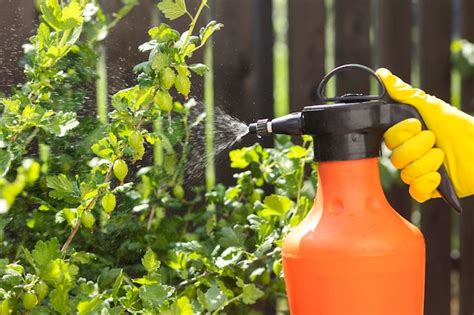
- Cover Thoroughly: Pests often hide on the undersides of leaves. Ensure you thoroughly coat all parts of the plant, including stems and both sides of the foliage.
- Reapply Regularly: Organic sprays often break down faster than chemical ones. Reapply every 5-7 days or after rain, especially during active pest infestations.
- Adjust as Needed: Vary the concentration of soap or other ingredients based on the severity of the infestation and the plant’s tolerance.
Important Tips for Success
- Integrated Pest Management (IPM): Combine spraying with other organic strategies like hand-picking larger pests, introducing beneficial insects, maintaining good garden hygiene, and choosing pest-resistant plant varieties.
- Plant Health: Healthy, strong plants are more resilient to pest attacks. Ensure proper watering, fertilization, and sunlight to give your plants the best defense.
- Monitor Your Garden: Regularly inspect your plants for early signs of pest activity. Early detection makes control much easier.
- Store Properly: Store any leftover spray in a cool, dark place, but ideally, prepare fresh batches as needed for maximum potency.
Empowering yourself with the knowledge to create homemade organic pest sprays is a rewarding step towards a healthier, more sustainable edible garden. By embracing these natural solutions, you can enjoy abundant, chemical-free harvests while fostering a vibrant and balanced garden ecosystem.