How to make homestead chores fun family learning activities?
Homesteading life is rich with purpose, but let’s be honest: chores can often feel like, well, chores. For families, especially those with children, the never-ending list of tasks—from gardening and animal care to maintenance and food preservation—can sometimes lead to grumbles rather than glee. But what if these essential homestead activities could be reframed as exciting, hands-on learning opportunities that strengthen family bonds and teach invaluable life skills?
The secret lies in shifting perspective and injecting creativity into routine. By turning chores into games, educational projects, and chances for empowerment, you can transform a duty into a cherished family activity. Here’s how to make homestead chores genuinely fun and foundational learning experiences for everyone.
Embrace the Learning Mindset
The first step is for parents to adopt a learning mindset themselves. Every task, no matter how mundane, holds a lesson. Instead of just instructing, explain the ‘why’ behind each chore. Why do we weed? (To help plants grow better by reducing competition for nutrients and water.) Why do we feed the chickens at a certain time? (To ensure consistent egg production and healthy birds.) This foundational understanding makes children more engaged and less likely to see tasks as arbitrary.
Encourage curiosity. Ask open-ended questions: “What do you notice about this soil?” or “How do you think we could make this task more efficient?” This approach transforms chores from a list of demands into a shared journey of discovery.

Turn Chores into Games and Challenges
Gamification is a powerful tool for engaging children. Simple competitive elements or creative scenarios can make a big difference:
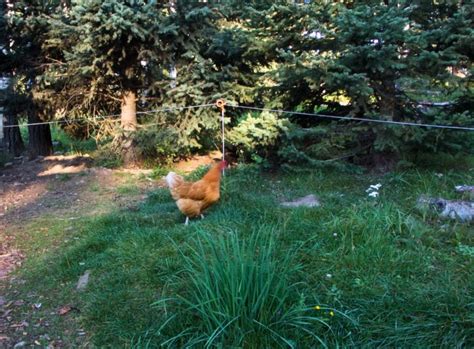
- Timed Challenges: “Let’s see if we can gather all the eggs before the timer goes off!” or “Who can clear the most weeds in this section in five minutes?”
- Scavenger Hunts: For tasks like gathering tools, collecting specific types of produce, or identifying weeds, turn it into a treasure hunt.
- Role-Playing: Assign roles like ‘head farmer,’ ‘animal nutritionist,’ or ‘garden architect.’ Children can take ownership of their roles, making decisions and reporting back on their progress.
- Chore Bingo: Create a bingo card with various homestead tasks. The first one to complete a row or column wins a small, non-material prize like choosing the family movie night or an extra bedtime story.

Connect Tasks to Practical Skills and Education
Homesteading offers an unparalleled classroom for a multitude of subjects:
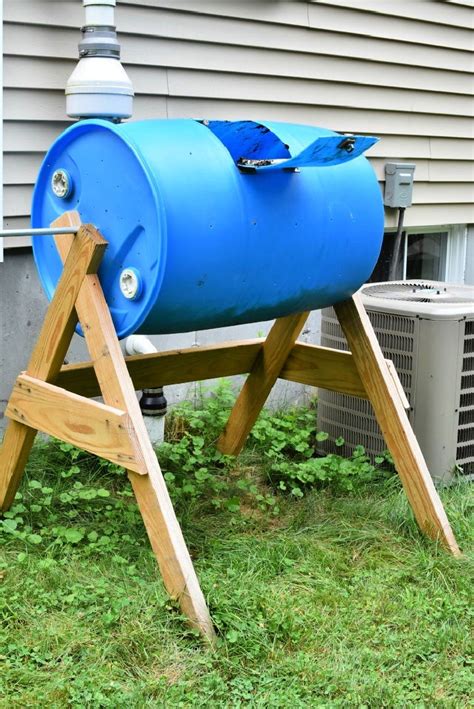
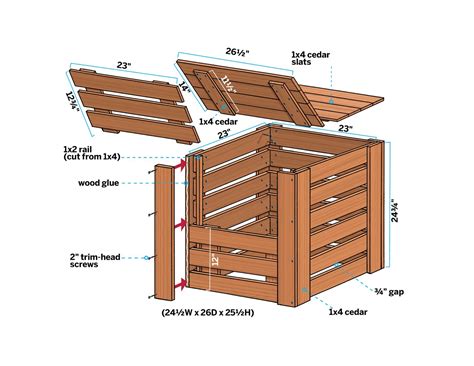
- Science: Gardening teaches botany, soil science, entomology (insects good and bad). Animal care covers biology, nutrition, and even basic veterinary science. Composting is a fantastic lesson in decomposition and microbiology.
- Math: Measuring ingredients for animal feed, calculating harvest yields, budgeting for supplies, tracking egg production, or even measuring lumber for a new project all involve practical math skills.
- Engineering & Problem Solving: Fixing a fence, designing a chicken coop layout, setting up an irrigation system, or even optimizing garden space are all exercises in practical engineering and critical thinking.
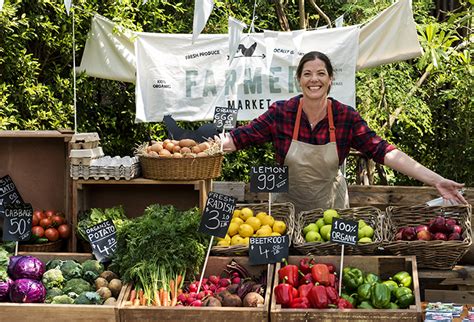
- Economics: Understanding supply and demand through selling excess produce, budgeting for seeds and feed, and understanding the value of homemade goods.
- History & Culture: Researching traditional methods of food preservation, farming techniques, or the history of specific crops can connect chores to broader cultural contexts.

Foster Ownership and Autonomy
Children are more invested when they feel a sense of ownership. Give them age-appropriate choices and responsibilities:
- Choice Boards: Let children choose from a list of available chores each day or week. This gives them agency and helps them feel more in control.
- Dedicated Projects: Assign a child their own small garden bed, a specific animal to care for, or a particular area of the homestead to manage.
- Involve in Planning: Include them in discussions about the homestead’s goals, what crops to plant, or what repairs are needed. Their ideas might surprise you!
- Tool Training: Teach them how to safely use tools appropriate for their age. This builds confidence and practical skills.

Celebrate Effort and Accomplishments
Positive reinforcement goes a long way. Acknowledge and appreciate their contributions, regardless of the outcome:
- Verbal Praise: Be specific: “I really appreciate how carefully you watered those seedlings,” or “You did a fantastic job mending that fence post.”
- Share the Harvest: Make a special meal using ingredients they helped grow or prepare.
- Document Progress: Take photos or keep a family journal of homestead projects. Looking back at what they’ve accomplished can be incredibly rewarding.
- Family Rewards: After a big project, celebrate with a fun family activity that everyone enjoys.
Homestead chores are more than just tasks; they are a direct connection to the natural world, a workshop for practical skills, and a crucible for character development. By approaching them with creativity, patience, and a focus on learning, you can transform them from mundane obligations into some of the most memorable and valuable family experiences your homestead has to offer. Not only will you get the work done, but you’ll raise capable, connected, and curious individuals ready to tackle any challenge.