


How to make natural, effective DIY pest control sprays for your garden?
Why Choose Natural DIY Pest Control?
Protecting your garden from unwelcome pests doesn’t have to involve harsh chemicals that can harm beneficial insects, pets, and even your family. Natural, homemade pest control sprays offer an eco-friendly, cost-effective, and surprisingly powerful alternative. By harnessing the power of common household and garden ingredients, you can create effective deterrents and killers that target pests without compromising the health of your plants or the environment.
Embracing DIY solutions allows you to have complete control over what goes onto your garden, ensuring a safer space for pollinators and a healthier harvest. Plus, these methods are often less expensive than commercial products and can be made on demand with ingredients you likely already have.
Essential Ingredients for Your DIY Sprays
Many effective natural pest control ingredients are staples in your pantry or easily found. Understanding their roles will help you mix and match to tackle specific pest problems:
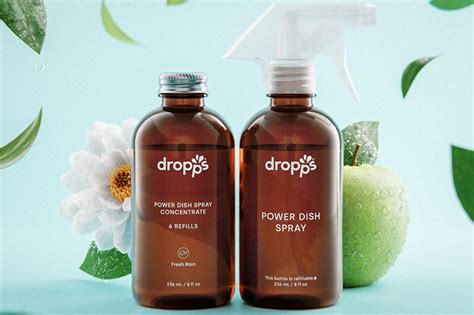
- Liquid Dish Soap (mild, unscented): Acts as a surfactant, breaking down the waxy coating on soft-bodied insects like aphids, leading to dehydration.
- Neem Oil: A powerful natural insecticide and fungicide. It disrupts insect feeding, growth, and reproduction.
- Garlic: Contains sulfur compounds that are repellent to many pests and can have insecticidal properties.
- Chili Peppers (Cayenne, Habanero): Capsaicin irritates and deters a wide range of insects and even small mammals.
- Rubbing Alcohol: Can kill soft-bodied pests on contact by dissolving their outer layers. Use sparingly and test first.
- Herbs (Mint, Rosemary, Basil): Strong aromatic oils can confuse and repel pests.
Effective DIY Pest Control Spray Recipes
1. Dish Soap Spray (for Aphids, Spider Mites, Whiteflies)
This is one of the simplest and most effective sprays for common soft-bodied pests. The soap works by coating and suffocating the insects.
Ingredients:
- 1-2 tablespoons mild liquid dish soap (avoid detergents with degreasers or bleach)
- 1 liter (about 4 cups) water
Instructions:
- Mix the dish soap thoroughly with water in a spray bottle.
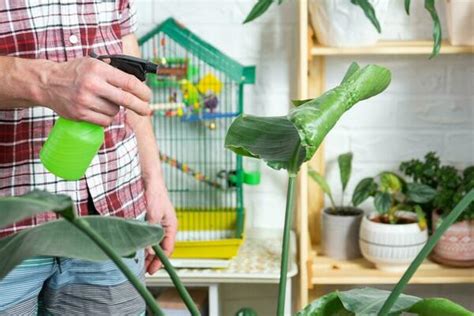
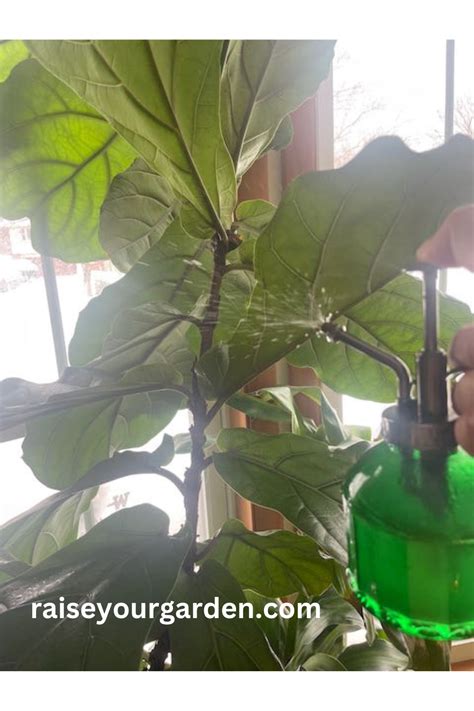
- Spray directly onto affected plants, ensuring complete coverage of both the top and underside of leaves where pests often hide.
- Reapply every 4-7 days as needed, especially after rain, until the pest problem subsides.
2. Neem Oil Spray (for a broad spectrum of pests and fungal issues)
Neem oil is a fantastic all-rounder, effective against aphids, spider mites, whiteflies, thrips, and even some fungal diseases.
Ingredients:
- 1-2 teaspoons cold-pressed neem oil
- 1 teaspoon mild liquid dish soap (as an emulsifier)
- 1 liter (about 4 cups) warm water
Instructions:
- In a spray bottle, combine the neem oil and dish soap. Shake vigorously to emulsify.
- Add the warm water and shake again until thoroughly mixed.
- Spray plants thoroughly, targeting pests and areas prone to fungal growth. Apply every 7-14 days for prevention or more frequently for active infestations.
3. Garlic and Chili Pepper Spray (for chewing insects, slugs, and repellency)
The pungent smell and irritating capsaicin in this spray make it an excellent deterrent.
Ingredients:
- 1 whole head of garlic, peeled and minced
- 1-2 hot chili peppers (e.g., habanero, cayenne), chopped (wear gloves!)
- 1 liter (about 4 cups) water
- 1 teaspoon mild liquid dish soap
Instructions:
- Blend the minced garlic, chopped chili peppers, and water until smooth.
- Let the mixture sit for at least 24 hours (or up to 48 hours) to steep.
- Strain the mixture through a fine-mesh sieve or cheesecloth to remove solids.
- Add the liquid dish soap to the strained liquid and mix well.
- Pour into a spray bottle and apply as a repellent or direct spray on pests.
Application Best Practices and Precautions
- Test First: Always test any new spray on a small, inconspicuous part of the plant and wait 24 hours to ensure there are no adverse reactions before full application.
- Timing is Key: Apply sprays in the early morning or late evening when temperatures are cooler and beneficial insects (like bees) are less active. This prevents leaf burn and protects pollinators.
- Coverage: Ensure thorough coverage, especially the undersides of leaves where many pests hide and lay eggs.
- Reapply Regularly: Natural sprays often have less residual effect than chemical ones. Reapplication every few days or after rain is usually necessary for active infestations.
- Use Fresh: Most homemade sprays are best used fresh, as their potency can diminish over time, and some ingredients can spoil.
- Safety First: When handling hot peppers, wear gloves. Keep sprays away from eyes and out of reach of children and pets.
- Identify Pests: Knowing your enemy helps! Different sprays are more effective on different types of pests.

Conclusion
Creating your own natural pest control sprays is a rewarding step towards a healthier, more sustainable garden. By using simple, readily available ingredients, you can effectively manage common garden pests without resorting to harmful chemicals. Experiment with these recipes, observe your garden closely, and enjoy the peace of mind that comes with cultivating a thriving, chemical-free oasis.