How to make real food prep and country living tasks fun for kids?
Turning Chores into Adventures: The Joy of Real Food Prep and Country Living for Kids
In an increasingly digital world, connecting children with the origins of their food and the rhythms of country life offers invaluable lessons and unforgettable experiences. Far from being mundane chores, food preparation and homesteading tasks can be transformed into exciting, educational, and deeply satisfying activities for kids. The key lies in approaching them with creativity, patience, and a sense of adventure.

Making Food Preparation a Culinary Playground
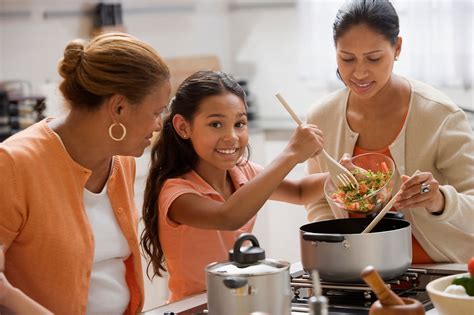
The kitchen is a fantastic classroom, and involving children in food preparation goes beyond just teaching them to cook; it instills healthy eating habits, develops fine motor skills, and fosters a sense of responsibility. Here’s how to make it enjoyable:
1. From Garden to Plate: The Source Story
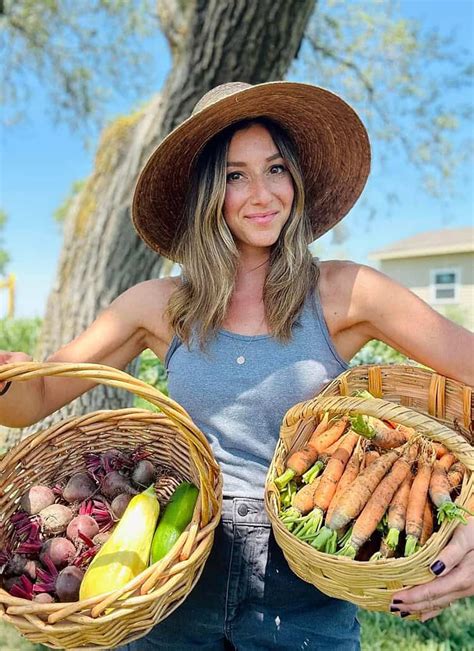
Start with the source. If you have a garden, let kids help plant, water, and harvest vegetables. This direct connection makes them more invested in the food they are preparing. For store-bought ingredients, talk about where they come from – the farm, the dairy, the ocean. Turning a grocery trip into a treasure hunt for ingredients can also spark interest.
2. Hands-On, Age-Appropriate Tasks
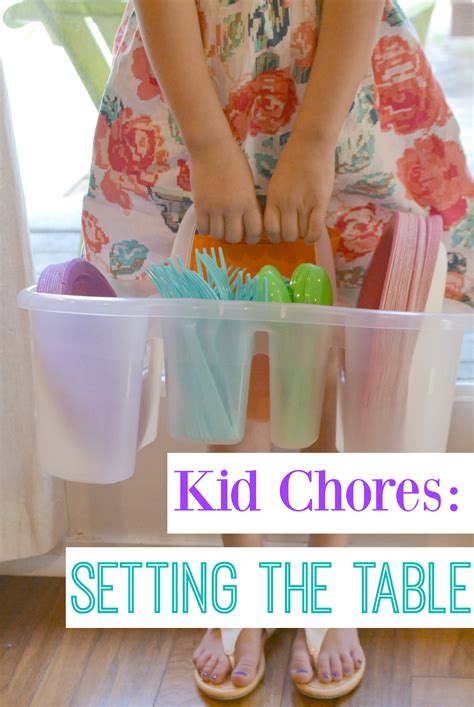
Even toddlers can wash vegetables, tear lettuce, or stir ingredients with supervision. Older children can measure, chop with kid-safe knives, knead dough, or crack eggs. Give them their own child-sized tools if possible. The goal is participation, not perfection. Let them feel the textures, smell the aromas, and taste the raw ingredients (safely).
3. Theme Nights and Creative Presentation
Turn meal prep into a themed event. A “Pizza Party” where everyone makes their own miniature pizza, or a “Smoothie Lab” where kids experiment with fruit combinations. Encourage creativity in plating – making faces on sandwiches or using cookie cutters for fun shapes. When kids help create a meal, they are often more willing to eat it.

Embracing the Rhythms of Country Living
Country living offers a wealth of tasks that teach responsibility, environmental stewardship, and practical skills. Make these tasks feel less like work and more like an integral part of family life:
1. Animal Care: Friends with Benefits
If you have animals, involve children in their care. Feeding chickens, collecting eggs, grooming a pet, or helping clean a coop can be incredibly rewarding. Teach them about animal behavior and the importance of gentle handling. They learn empathy and consistency, and the tangible rewards (like fresh eggs) are a huge motivator.
2. Garden Adventures and Homestead Helpers
Beyond harvesting, involve kids in weeding, composting, and even simple repairs around the homestead. Give them their own patch of garden to tend, or a specific “job” like refilling the bird feeder or sweeping the porch. Frame these tasks as contributing to the family and the health of their home. Celebrate their contributions openly.

Strategies for Success: Making it Enjoyable
The attitude you bring to these tasks is contagious. Here’s how to ensure a positive and fun experience:
1. Gamify and Incentivize (Sensibly)
Turn tasks into games. “Who can find the biggest tomato?” or “Let’s see who can wash these potatoes the fastest!” While material incentives aren’t always necessary, a sticker chart or a special treat (like a movie night) for consistent help can be effective for younger children. The biggest incentive, however, should be the shared experience and the pride in their work.
2. Patience and Flexibility are Key
Expect messes and slow progress. The goal isn’t efficiency; it’s engagement and learning. Be prepared to step back and let them try, even if it means extra cleaning for you. Don’t be afraid to adjust plans if a child isn’t interested on a particular day. Forcing participation can breed resentment.
3. Lead by Example and Celebrate Efforts
Children learn by watching. Show enthusiasm for your own tasks, and they are more likely to mirror it. Praise their efforts and focus on what they did well, rather than pointing out mistakes. Emphasize that every contribution, big or small, helps the family and the homestead thrive.

The Long-Term Benefits
Involving children in real food preparation and country living tasks offers far more than just getting the chores done. It cultivates crucial life skills, a deeper connection to nature, a strong work ethic, and a sense of belonging and contribution within the family unit. These shared experiences become cherished memories, building resilience, self-sufficiency, and a lifelong appreciation for the effort that goes into living well.