




How to make rustic homemade sourdough bread consistently light and airy?

Unlocking the Secret to Light and Airy Rustic Sourdough
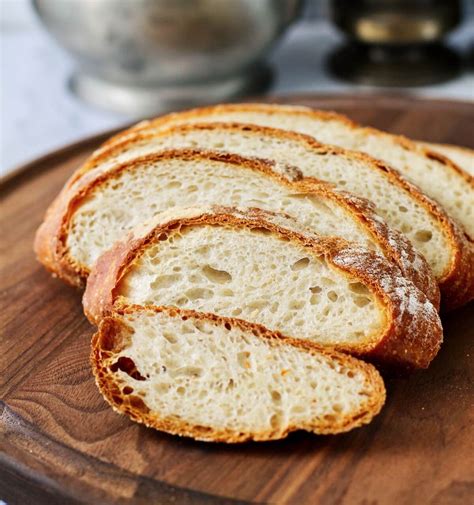
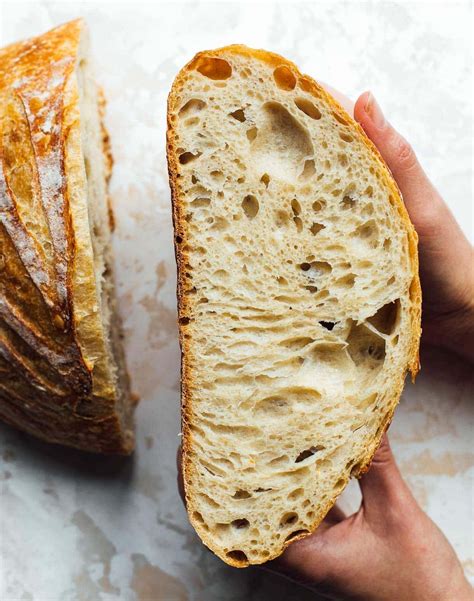
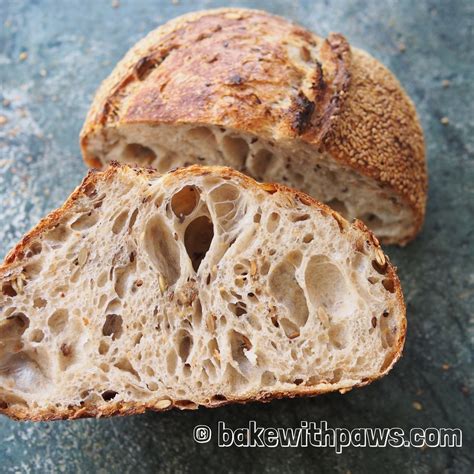
Achieving that coveted light and airy crumb in homemade rustic sourdough bread can feel like a mystical art, but it’s a science built on a few fundamental principles. Consistency in texture and openness requires attention to detail at every stage, from nurturing your starter to the final bake. This guide will demystify the process, helping you bake loaves that are not only beautiful but also delightfully light and tender inside.
1. The Vitality of Your Sourdough Starter
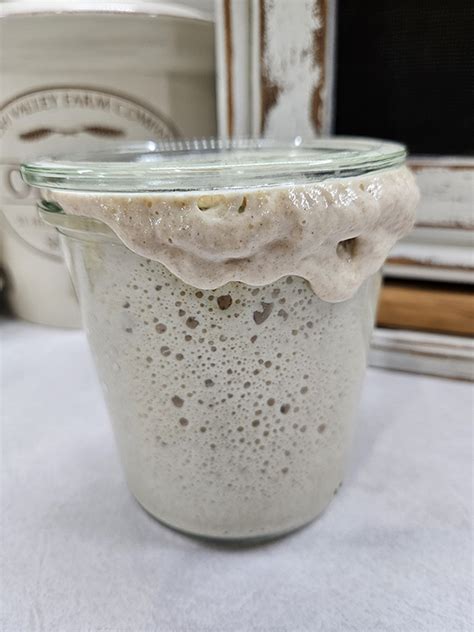
The foundation of any great sourdough loaf is a strong, active starter. A healthy starter is brimming with yeast and bacteria, providing the lift and fermentation necessary for an open crumb. Ensure your starter is fed regularly and robustly before use, typically 4-8 hours after its last feeding when it’s at its peak activity – bubbly, fragrant, and almost doubled in size.
- Feeding Ratio: Aim for a 1:2:2 or 1:3:3 ratio (starter:water:flour) to ensure sufficient food for a vigorous rise.
- Float Test: A small dollop of ripe starter should float when dropped into water, indicating readiness.
2. Mastering Dough Hydration
Hydration plays a crucial role in crumb structure. Higher hydration doughs (75-85%) generally lead to a more open, airy crumb because there’s more water to turn into steam during baking, creating larger pockets. However, higher hydration also means stickier dough, which can be challenging to handle.
- Start Gradually: If new to sourdough, begin with 70-72% hydration and gradually increase as you gain confidence.
- Room Temperature Water: Using water around 90-95°F (32-35°C) can help kickstart fermentation and improve dough extensibility.
3. The Art of Autolyse and Bulk Fermentation
These two stages are critical for developing gluten strength and gas retention.
Autolyse:
Mixing just flour and water and letting it rest for 30-60 minutes before adding the starter and salt allows the flour to fully hydrate and gluten to begin forming without mechanical work. This results in a more extensible and less sticky dough.
Bulk Fermentation (First Rise):
This is where your dough builds strength and develops flavor. It’s a balance of time and temperature. Perform a series of stretch and folds (typically 3-5 sets over 2-3 hours) to build gluten structure and incorporate air. The dough should increase in volume by 30-50% and feel airy and resilient.
4. Gentle Shaping for Optimal Structure
Shaping is about creating tension on the dough’s surface, which acts like a skin to trap gases and support the loaf during baking. Avoid excessive degassing during shaping, as this expels the precious carbon dioxide bubbles that create airiness.
- Minimal Handling: Use a light touch. Flour your hands and work surface sparingly.
- Build Tension: Gently fold and tuck the dough to create a tight, smooth surface without tearing.
5. The Benefits of Cold Proofing
After shaping, transfer your dough to a floured banneton or bowl and cold proof it in the refrigerator (35-40°F / 2-4°C) for 12-18 hours, or even up to 24 hours. Cold proofing slows down fermentation, allowing flavors to deepen and making the dough much easier to score and handle. The cold also stiffens the gluten, which helps the loaf hold its shape and expand upwards in the oven.
6. Baking with Steam and High Heat
The final crucial step for a light and airy crumb, along with a crispy crust, is proper baking technique.
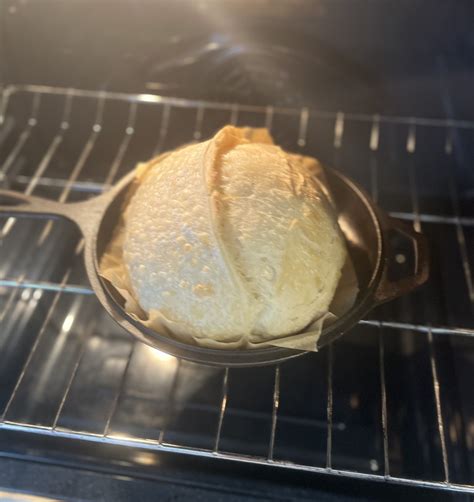
- Preheat Thoroughly: Always preheat your Dutch oven or baking vessel in the oven at high heat (450-500°F / 232-260°C) for at least 30-60 minutes.
- Steam Environment: Baking in a covered Dutch oven creates a steamy environment that prevents the crust from setting too quickly, allowing the loaf to expand fully (oven spring) and achieve that open crumb.
- Scoring: A well-placed score (or multiple scores) guides the oven spring, allowing the dough to expand predictably.
Conclusion: Consistency Through Understanding
Making consistently light and airy rustic sourdough bread is a journey of understanding and practice. By focusing on a vibrant starter, appropriate hydration, patient bulk fermentation with good gluten development, gentle shaping, effective cold proofing, and a high-heat, steamy bake, you will unlock the secrets to a truly exceptional loaf every time. Experiment, observe, and enjoy the delicious rewards of your homemade sourdough.