




How to make traditional homemade jams set perfectly with less sugar?

Making homemade jam is a cherished tradition, but achieving that perfect, firm set without relying heavily on sugar can be a challenge. Sugar is often seen as a setting agent, not just a sweetener. However, with the right knowledge and techniques, you can create delightful, less-sweet preserves that firm up beautifully, allowing the natural flavor of the fruit to shine.
Understanding Pectin: The Key to Setting
Pectin is the natural gelling agent found in fruits, and it’s the star player in achieving a perfect jam set. Fruits vary widely in their pectin content. High-pectin fruits like apples, cranberries, sour cherries, and citrus peels are excellent choices. Low-pectin fruits, such as strawberries, peaches, and blueberries, will need a little help to set properly.
For low-sugar jams, using a commercial low-sugar or no-sugar pectin is often essential. These pectins are formulated to set with less sugar and can make the process much more reliable. Always read the instructions on your chosen pectin package carefully, as formulations can differ.
Choosing the Right Fruits
The foundation of a great low-sugar jam lies in your fruit selection. Prioritize ripe, but not overripe, fruits. Overripe fruits contain less pectin. For fruits naturally low in pectin, consider combining them with a high-pectin fruit (e.g., adding some grated green apple or lemon zest to strawberry jam). You can also extract pectin from high-pectin fruits by simmering them in water, straining, and using the liquid in your low-pectin jam.
The Importance of Acid
Pectin needs acid to set properly, especially in lower-sugar environments. Most fruits contain some natural acidity, but often not enough for a perfect low-sugar set. Adding a squeeze of fresh lemon juice or a pinch of citric acid can significantly boost the pectin’s gelling power. This addition not only aids setting but also brightens the fruit’s flavor.
Cooking Techniques for Success
Proper cooking is paramount. Start by preparing your fruit properly: wash, chop, or crush as needed. For better pectin extraction, some fruits benefit from a brief pre-cook with a small amount of water before adding sugar (or sweetener) and pectin.
Once you’ve added your pectin (if using commercial pectin, follow package instructions carefully, often adding it near the end of the cooking process), bring the jam to a rapid boil. The key is to cook it quickly and intensely until it reaches the setting point. Long, slow cooking can break down pectin, hindering the set.
Testing for a Perfect Set
Knowing when your jam is ready is crucial. The most common and reliable method is the cold plate test. Place a small plate in the freezer before you start cooking. When you think the jam is ready, spoon a small amount onto the cold plate, wait 30-60 seconds, then push it with your finger. If it wrinkles, it’s ready. If it’s still too runny, continue cooking for a few more minutes and re-test.
Another indicator is temperature: jam often sets around 220°F (104°C) at sea level, but this can vary with altitude and pectin type. Relying on the cold plate test is generally more accurate than temperature alone for less-sugar jams.
Reducing Sugar Smartly
While the goal is less sugar, remember that sugar plays a role in preservation and flavor balance. Don’t aim for zero sugar unless you’re using a specific no-sugar pectin or a very high-pectin fruit mix, and are comfortable with a less traditional texture. Gradually reduce sugar in your favorite recipes, or start with recipes specifically designed for lower sugar. You can also enhance sweetness naturally by using very ripe, flavorful fruit or a touch of a natural, sugar-free sweetener if preferred (though these might affect the set differently than traditional sugar).
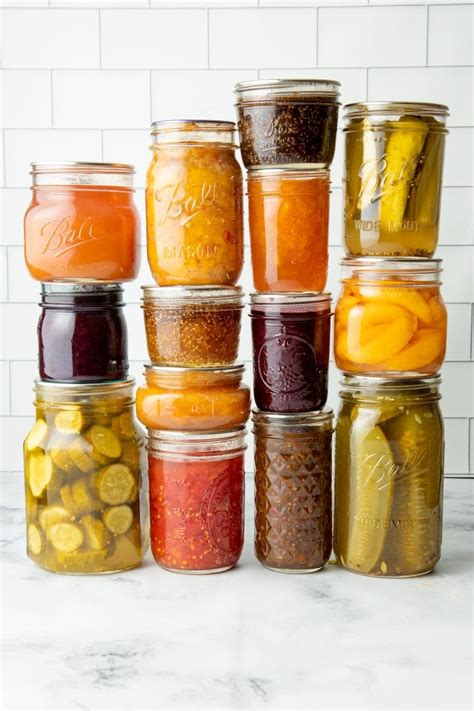
Mastering low-sugar jam making is a rewarding journey. By understanding pectin, choosing your fruits wisely, utilizing acid, employing precise cooking, and diligently testing for the set, you can create delicious, healthier homemade preserves that are bursting with natural fruit flavor. Enjoy the process and the delectable results!