How to naturally boost winter egg production for backyard chickens?
Understanding Winter Laying Slowdown
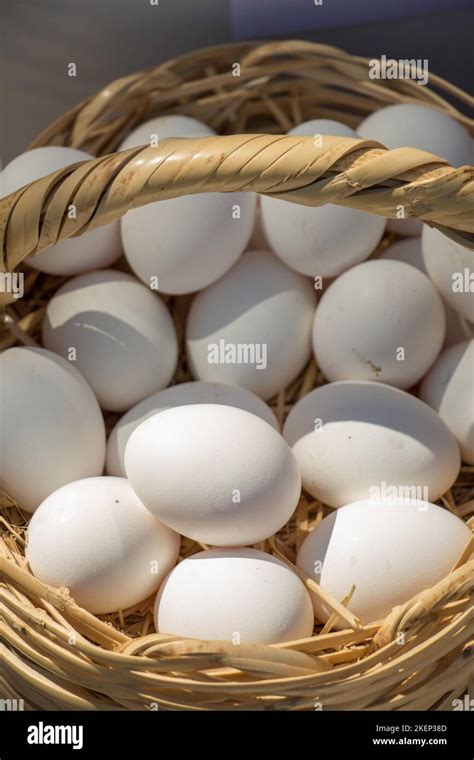
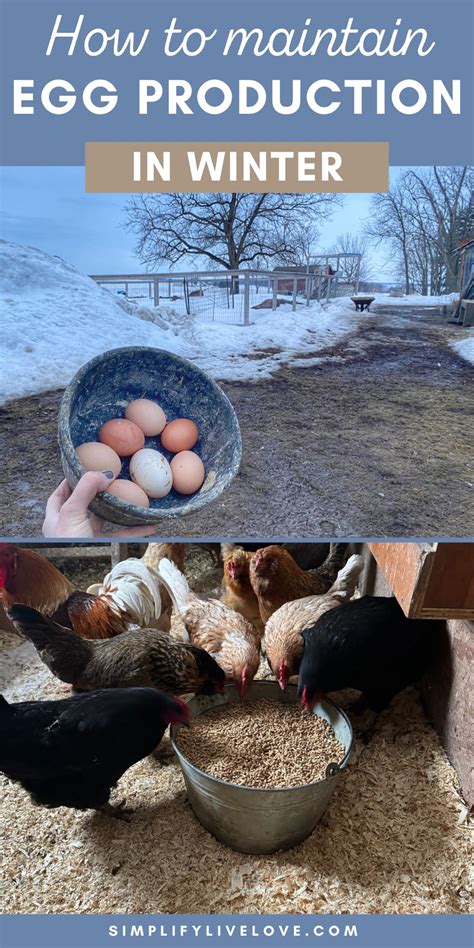
Winter often brings a natural dip in egg production for backyard chickens, a biological response to shorter daylight hours and colder temperatures. While some commercial operations resort to artificial lighting to maintain year-round high production, many backyard keepers prefer a more natural approach to keep their flock laying without overstressing them. Boosting winter egg production naturally focuses on optimizing the birds’ environment and diet to support their well-being and inherent productivity.
Maximizing Natural Light Exposure
Light exposure is the primary driver for egg laying. Hens typically need 14-16 hours of light daily to maintain consistent production. In winter, this naturally drops significantly. Instead of introducing harsh artificial lights, focus on maximizing the natural light available to your flock. Consider your coop’s orientation, ensure windows are clean, and trim any overhanging branches that might block sunlight. Keeping the coop clean and bright during the day, even with natural light, can stimulate activity and help trick their internal clocks.
Optimal Nutrition for Winter Layers
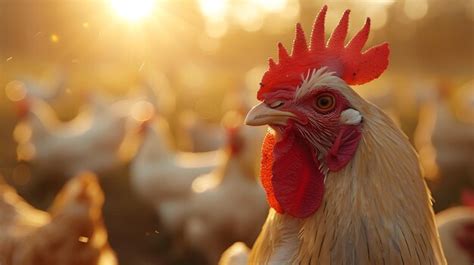
Egg production is a demanding process, requiring significant energy and nutrients. In colder months, chickens also burn more calories just to stay warm. Therefore, providing superior nutrition becomes even more crucial. Ensure your flock has constant access to a high-quality layer feed (at least 16-18% protein) specifically formulated for egg-laying hens. Supplement their diet with healthy, energy-rich treats in moderation, such as scratch grains, black oil sunflower seeds, or mealworms for an extra protein boost. Calcium is also vital for strong eggshells, so always offer oyster shell free-choice in a separate container.
Unfrozen Water: A Non-Negotiable Necessity
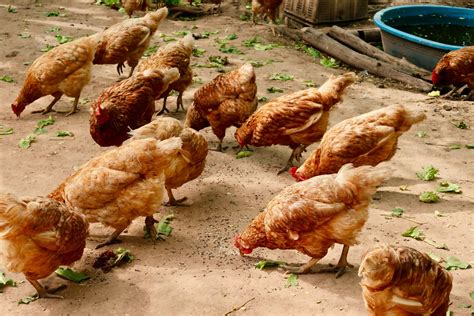
Hydration is absolutely critical for egg production. Eggs are approximately 75% water, and a hen simply cannot lay without sufficient water intake. In winter, water sources can easily freeze, making it a common oversight. Ensure your chickens always have access to fresh, unfrozen water. Heated waterers are an excellent investment, or you can manually swap out frozen water frequently throughout the day with fresh, unfrozen supplies.
Proper Coop Protection (Without Overheating)
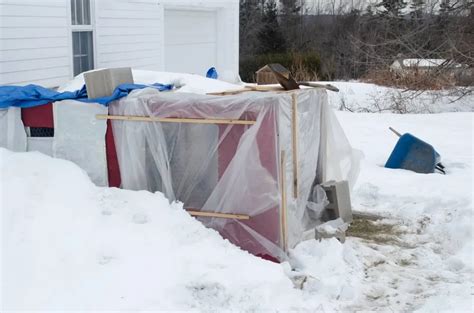
Chickens are surprisingly resilient to cold, especially if they are healthy and well-fed. The goal is to provide a draft-free coop that offers shelter from wind, rain, and snow, without making it overly warm. Good ventilation is still essential to prevent moisture buildup, which can lead to respiratory issues. The deep litter method can help generate a little natural warmth through decomposition. Avoid using heaters unless temperatures are extremely severe or you have very young chicks, as they can create dangerous fire hazards and make chickens less cold-hardy over time.
Reducing Stress and Promoting Overall Health
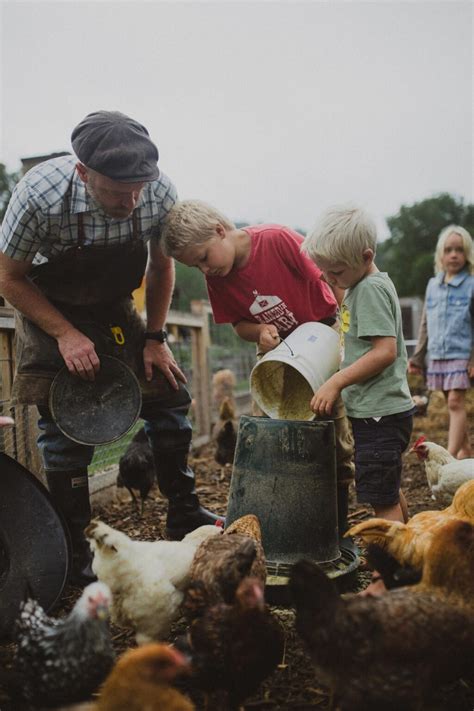
A happy hen is a laying hen. Stress, whether from predators, overcrowding, illness, or changes in their environment, can quickly halt egg production. Ensure your flock has enough space, secure their coop to protect against nocturnal predators, and regularly check for signs of illness or injury. Provide boredom busters like hanging cabbage or suet balls to keep them entertained when confined, as boredom can lead to pecking and stress. Clean bedding and nesting boxes also contribute significantly to a healthy, low-stress environment.
Considering Cold-Hardy Breeds
If you’re starting a new flock or adding to an existing one, consider breeds known for their cold tolerance and consistent winter laying. While no chicken will lay at peak production in the depths of winter, certain breeds tend to fare better. Breeds like Wyandottes, Orpingtons, Plymouth Rocks, and Rhode Island Reds are often recommended for colder climates and can continue to lay through the winter months, albeit at a naturally reduced rate.
Conclusion
Boosting winter egg production naturally is ultimately about supporting your chickens’ innate health and well-being. By focusing on adequate natural light, superior nutrition, constant access to unfrozen water, proper shelter, and stress reduction, you can significantly help your flock continue to provide fresh eggs throughout the colder seasons. This approach respects their natural cycles, ensuring both healthy hens and a steady supply of delicious eggs.