How to naturally boost winter egg production for backyard hens on a country homestead?
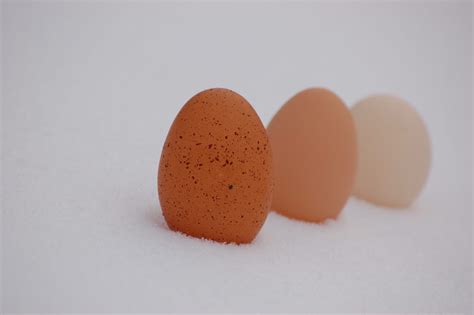
As the days shorten and temperatures drop, many backyard chicken keepers observe a significant decline in egg production. This isn’t a sign of poor health but rather a natural response to the changing seasons. However, for those on a country homestead who rely on their flock for fresh eggs, this winter slowdown can be frustrating. Fortunately, there are several natural and humane ways to encourage your hens to keep laying through the colder months without resorting to artificial or stressful methods.
Understanding the Winter Slump
The primary reason hens stop or slow laying in winter is the decrease in daylight hours. Chickens require 14-16 hours of light per day to stimulate their reproductive hormones. Less light means less egg production. Additionally, the cold weather itself demands more energy from hens to stay warm, diverting resources away from egg laying. Understanding these fundamental principles is the first step toward naturally boosting their winter output.

The Power of Light: Simulating Longer Days
While not entirely natural in the purest sense, providing supplemental light can effectively trick your hens’ bodies into thinking the days are longer. This doesn’t require bright, intense lighting. A single low-wattage (40-60 watt) incandescent bulb or an equivalent LED bulb on a timer, set to extend the daylight hours to 14-16, is usually sufficient. Place the light in the coop, timed to come on early in the morning before dawn or stay on a couple of hours after dusk. Crucially, allow your hens a natural period of darkness to rest, as continuous light can be stressful.
Optimizing Winter Nutrition for Laying Hens
During winter, your hens expend more energy to stay warm. Therefore, their nutritional needs increase. Ensure they have constant access to a high-quality layer feed with at least 16% protein. Consider supplementing their diet with healthy, energy-rich treats like scratch grains (in moderation), cooked oats, or leftover vegetable scraps. Fermented grains can also be beneficial, as the fermentation process increases nutrient availability and digestibility, supporting gut health and overall vigor.
Don’t forget the importance of calcium and grit. Oyster shells or crushed eggshells should always be available free-choice for strong eggshells, and grit is essential for digestion, especially when consuming supplemental grains.
Creating a Cozy and Safe Environment
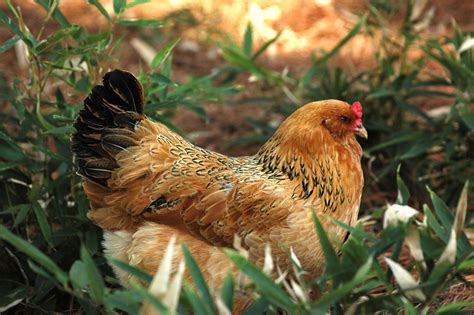
A comfortable coop is paramount for winter laying. While chickens are hardy, protection from harsh winds, rain, and snow is vital. Ensure your coop is draft-free but still well-ventilated to prevent moisture buildup, which can lead to respiratory issues. The ‘deep litter method’ can be particularly effective in winter. This involves allowing a thick layer of carbon-rich bedding (like pine shavings or straw) to build up over several months, which slowly composts, generating a small amount of heat and improving air quality.
Also, make sure nesting boxes are clean, dry, and inviting. Hens are less likely to lay if their environment feels unsafe or uncomfortable. Predator protection is always important, but perhaps even more so when hens are stressed by cold.

Hydration is Key: Preventing Frozen Water
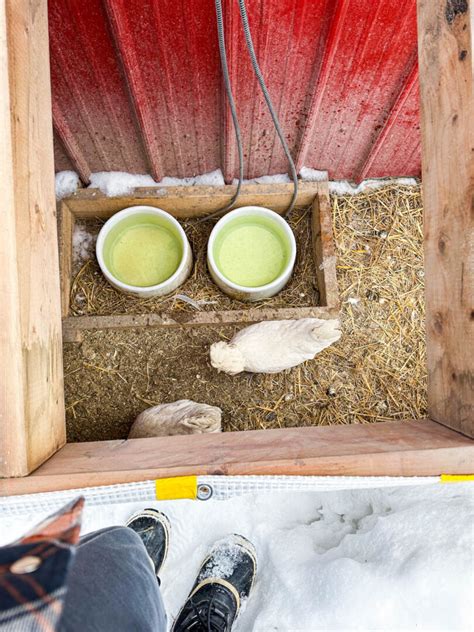
Access to fresh, unfrozen water is non-negotiable, yet it’s one of the biggest challenges in winter. Dehydrated hens will quickly stop laying. There are several natural ways to combat frozen water: use rubber pans that allow ice to be easily popped out, place waterers in sunny spots, or insulate them. For colder regions, a heated pet bowl or a water heater designed for poultry founts can be a lifesaver. Refreshing water frequently with lukewarm water can also encourage more drinking.
Reducing Stress and Maintaining Health
A healthy, stress-free hen is a laying hen. Regularly check your flock for signs of illness or parasites. Provide ample space in the coop and run, even in winter, to prevent boredom and conflict. Offering enrichment like hanging cabbage heads or scattered scratch grains can keep them entertained. Some homesteaders also add a splash of apple cider vinegar (ACV) to their chickens’ water a few times a week, believed to support gut health and immunity naturally.

Conclusion
Boosting winter egg production naturally on your country homestead is an achievable goal through a combination of thoughtful management and attentive care. By understanding your hens’ basic needs for light, superior nutrition, a comfortable environment, constant hydration, and minimal stress, you can help them continue to provide you with delicious, fresh eggs even when the snow falls. Embrace these natural practices, and your flock will reward you with health, happiness, and a more consistent egg basket throughout the colder months.