How to naturally deter common garden pests from organic vegetable beds?

Embracing a Holistic Approach to Pest Management
Cultivating an organic vegetable garden is a rewarding endeavor, offering fresh, chemical-free produce directly from your backyard. However, along with the joys of gardening comes the inevitable challenge of garden pests. The good news is that maintaining an organic garden doesn’t mean surrendering to infestations. By understanding the principles of natural pest deterrence, you can create a thriving ecosystem that protects your plants without harming the environment or your harvest.
The key to natural pest control lies in prevention, observation, and fostering a balanced garden environment. Rather than reacting with harsh chemicals, we’ll explore proactive strategies and gentle interventions that keep common culprits like aphids, slugs, cabbage worms, and cutworms at bay.
Building Resilience: Healthy Soil and Smart Planning
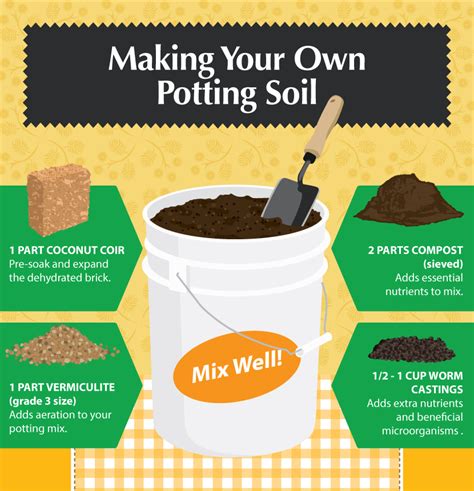
The foundation of any successful organic garden is healthy soil. Rich, living soil supports strong plants that are naturally more resistant to pest attacks. Amend your soil with compost and other organic matter to improve drainage, aeration, and nutrient availability. Stronger plants are less stressed and therefore less attractive to opportunistic pests.
Strategic garden layout and crop rotation are also vital. Avoid planting the same crops in the same spot year after year, as this can lead to a buildup of specific pests and diseases. Rotate your crops to break pest life cycles and maintain soil health. Consider sunlight, airflow, and plant spacing to minimize stress and maximize vigor.
The Power of Partnerships: Companion Planting
One of nature’s most elegant pest deterrence strategies is companion planting. Certain plants, when grown together, can deter pests, attract beneficial insects, or even improve the growth and flavor of their neighbors. For example, marigolds are well-known for repelling nematodes and other soil-borne pests. Nasturtiums can act as a ‘trap crop’ for aphids, luring them away from more valuable vegetables.
Here are a few popular companion planting pairings:
- Tomatoes and Basil: Basil is thought to improve tomato flavor and deter flies and hornworms.
- Carrots and Rosemary: Rosemary repels carrot rust flies.
- Cabbage Family and Dill/Mint: Dill attracts beneficial wasps that prey on cabbage worms; mint can deter slugs.
- Corn, Beans, and Squash (Three Sisters): A classic example where beans provide nitrogen, corn offers a trellis, and squash shades the soil, deterring weeds and some pests.

Physical Barriers and Vigilant Garden Hygiene
Sometimes, the simplest solutions are the most effective. Physical barriers can prevent pests from reaching your plants in the first place. Row covers made of fine mesh fabric can protect young seedlings from flying insects like cabbage moths, carrot rust flies, and squash vine borers. Just be sure to remove them during flowering if pollination is required.
Good garden hygiene is non-negotiable for organic pest control. Regularly remove weeds, which can harbor pests and compete with your vegetables for nutrients. Promptly clear away plant debris, fallen leaves, and overripe fruits, as these can attract slugs, earwigs, and other undesirable visitors. Proper watering techniques also help; avoid overhead watering late in the day, which can encourage fungal diseases and provide moist conditions favored by slugs and snails.
Welcoming Natural Allies: Beneficial Insects and Manual Removal
Instead of eliminating all insects, focus on cultivating a garden that welcomes beneficial insects – your garden’s natural pest controllers. Ladybugs, lacewings, hoverflies, and parasitic wasps are voracious predators of common pests like aphids, mites, and scale insects. You can attract them by planting a diverse range of flowers, especially those with small blossoms like dill, fennel, yarrow, and cosmos.
For larger pests or smaller infestations, don’t underestimate the power of manual removal. Hand-picking slugs, snails, hornworms, and squash bugs can be incredibly effective, especially if done regularly during early morning or evening hours. Drop collected pests into a bucket of soapy water. A strong spray of water can also dislodge aphids from plant stems.

DIY Solutions and Simple Traps
When prevention isn’t quite enough, some homemade remedies can offer additional deterrence without chemicals:
- Neem Oil Spray: A natural insecticide derived from the neem tree, neem oil disrupts the life cycle of many pests without harming beneficial insects or humans. Mix according to package directions and apply to affected plants.
- Insecticidal Soap Spray: A simple mixture of mild liquid soap and water can effectively suffocate soft-bodied insects like aphids, whiteflies, and spider mites.
- Garlic or Pepper Spray: The strong scent and taste of garlic or hot peppers can deter certain pests. Blend garlic cloves or chili peppers with water, strain, and spray.
- Beer Traps for Slugs: Bury shallow dishes filled with beer (or a sugar water and yeast mixture) at soil level. Slugs are attracted to the yeast, fall in, and drown.
- Sticky Traps: Yellow sticky traps can catch flying insects like whiteflies, fungus gnats, and winged aphids, providing both monitoring and control.
Conclusion: Patience, Observation, and a Thriving Garden
Successfully deterring pests in an organic vegetable garden requires patience, observation, and a willingness to work with nature rather than against it. By prioritizing soil health, implementing smart planting strategies, maintaining cleanliness, and encouraging beneficial insects, you’ll create a resilient ecosystem that can largely manage itself. Regular monitoring will help you catch potential problems early, allowing for targeted, natural interventions. Embrace the journey, and enjoy the bounty of your healthy, organic harvest!