
How to naturally deter common vegetable garden pests without chemicals?
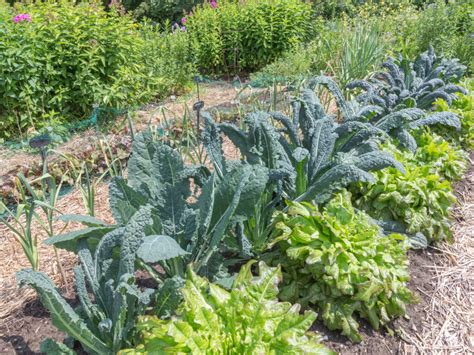
Keeping a thriving vegetable garden free from pests without resorting to harsh chemicals is not only achievable but also creates a healthier ecosystem for your plants, pollinators, and family. By understanding and working with nature, you can implement a variety of strategies to deter common garden invaders, ensuring a bountiful and organic harvest.
Building a Resilient Garden Ecosystem
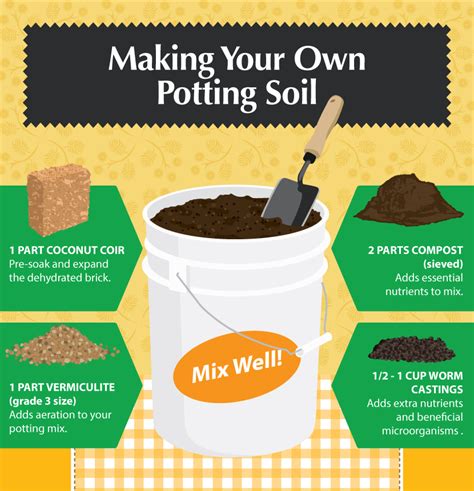
The first line of defense against pests is a healthy garden. Strong, vibrant plants grown in nutrient-rich soil are naturally more resistant to insect attacks. Focus on improving your soil health with compost and organic matter, ensuring proper watering, and providing adequate sunlight and air circulation.

Preventative Strategies for Pest Control
Companion Planting
One of the most effective natural pest control methods is companion planting. Certain plants, when grown together, can deter pests or attract beneficial insects. For instance, marigolds are known to repel nematodes and other harmful insects, while nasturtiums can act as a trap crop, luring aphids away from more valuable vegetables. Herbs like basil, rosemary, and mint can also confuse pests with their strong scents.
Crop Rotation
Rotating your crops annually helps break pest life cycles and prevents soil-borne diseases. Pests specific to certain vegetable families often overwinter in the soil. By moving plants to a new location each year, you deprive these pests of their food source and disrupt their breeding patterns.
Physical Barriers
Simple physical barriers can be incredibly effective. Row covers made of lightweight netting or fabric can protect young seedlings from flying insects like cabbage moths and flea beetles. Burying collars around the base of plants can deter cutworms. Fences can keep larger animals like rabbits and deer out of your garden.

Active and Biological Pest Deterrence
Attracting Beneficial Insects
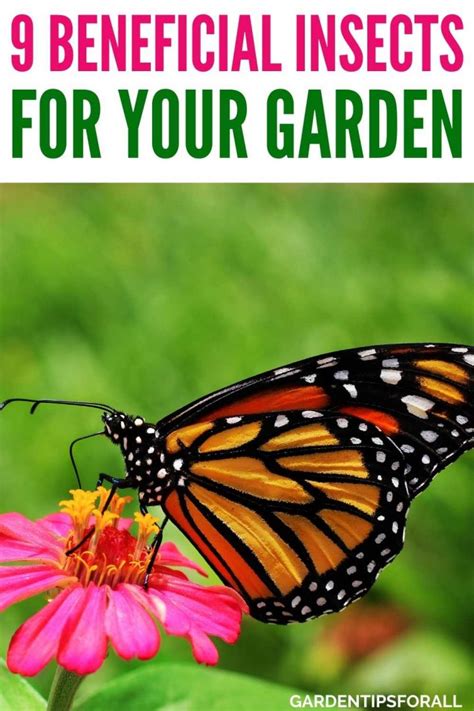
Nature provides its own pest controllers. Encourage beneficial insects like ladybugs, lacewings, predatory wasps, and hoverflies, which prey on common garden pests such as aphids, spider mites, and caterpillars. Plant flowers like dill, fennel, cilantro, and cosmos that provide nectar and pollen, serving as an irresistible lure for these helpful predators.
Hand-Picking and Water Blasting
For larger pests or localized infestations, direct intervention can be very effective. Hand-picking caterpillars, slugs, and squash bugs off plants in the early morning or late evening is a simple yet powerful method. A strong spray of water can dislodge aphids and spider mites from leaves, often solving the problem without any further treatment.
Homemade Organic Sprays
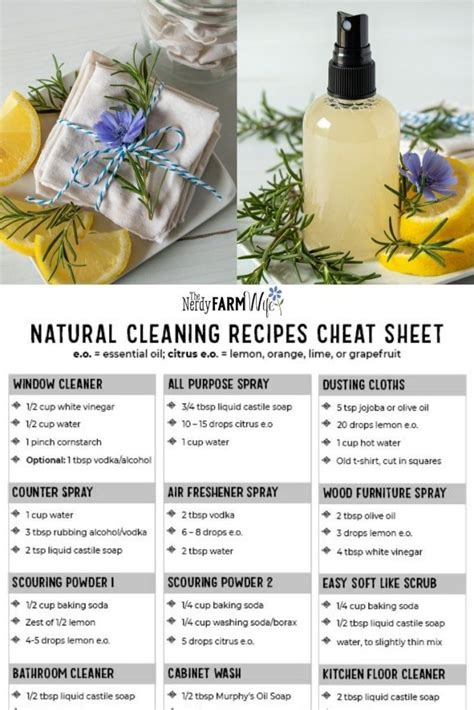
When an infestation is more widespread, organic sprays can offer a solution. A simple insecticidal soap spray (made with mild dish soap and water) can suffocate soft-bodied insects. Neem oil, derived from the neem tree, is another powerful organic pesticide that disrupts insect feeding and reproduction, effective against a wide range of pests.

Maintaining a Pest-Resistant Garden
Regular garden inspection is crucial. Check your plants frequently for signs of pest activity so you can address issues early. Promptly remove any diseased or heavily infested plant parts to prevent the spread. Keep your garden tidy, removing weeds and fallen debris that can harbor pests. By integrating these natural and holistic approaches, you can create a vibrant, healthy, and chemical-free vegetable garden that truly thrives.