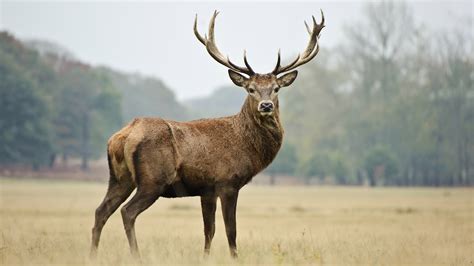
How to naturally deter deer from my new vegetable patch without fences?
Creating a thriving vegetable patch is one of the great joys of country living, but the enthusiasm can quickly wane when you discover your hard work has become a deer buffet. While fences are the most common solution, they can be costly, obstructive, or simply not fit the aesthetic you desire. The good news is that with a bit of ingenuity and understanding of deer behavior, you can naturally deter these elegant but hungry visitors without resorting to permanent barriers.
Understanding Deer Behavior for Effective Deterrence
Deer are creatures of habit, driven by scent, taste, and a desire for easy access to food. They are often attracted to the lush, tender greens found in vegetable gardens. To effectively deter them, we need to disrupt these habits and make your garden less appealing. This involves targeting their senses of smell and taste, introducing perceived threats, and making access more challenging.

Harnessing Scent and Taste Repellents
Deer have a highly sensitive sense of smell, which can be used to your advantage. Many natural substances are offensive to deer but harmless to your plants and family.
DIY Sprays and Sachets:
- Garlic and Hot Pepper Spray: Blend several cloves of garlic with hot peppers (like cayenne or habanero), add water, and let it steep. Strain the mixture and spray it directly onto plant leaves. Reapply after rain.
- Rotten Egg Spray: Mix a few rotten eggs with water and a tablespoon of dish soap. The sulfurous smell is highly unappealing to deer.
- Bar Soap: Hang bars of strongly scented soap (Irish Spring is often recommended) from stakes around your garden. The strong scent confuses and deters deer.
Other Scent Deterrents:
- Human Hair: Collect hair from your brush or ask a local salon for clippings. Place small sachets of hair around your garden. The human scent can signal danger.
- Predator Urine: Products containing fox or coyote urine can be strategically placed around the perimeter. The scent suggests a predator is nearby.

Physical Deterrents & Scare Tactics (Without Fences)
Deer are easily startled, and you can leverage this with a few non-permanent physical deterrents.
- Motion-Activated Sprinklers: These are highly effective. When a deer enters the range, a burst of water and sound will send them fleeing.
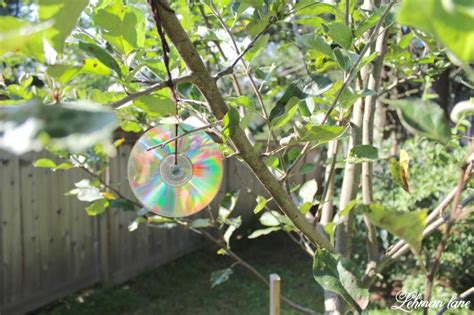
- Reflective Objects: Hang old CDs, aluminum pie plates, or reflective tape on stakes or string around the garden. The flashing lights and movement can be unsettling.
- Noise Makers: Wind chimes, radios tuned to talk radio, or even strategically placed empty cans that rattle in the wind can deter deer, especially at night.
- Prickly Borders: While not a fence, you can create a deterrent border. Lay thorny branches, rose clippings, or even raspberry canes around the perimeter of your most vulnerable plants. Deer dislike stepping on sharp objects.
Strategic Planting Choices
Planting smart can reduce deer browsing significantly.
- Deer-Resistant Plants: Interplant your favorite vegetables with plants deer tend to avoid. These often include herbs like rosemary, lavender, thyme, and mint, as well as plants with fuzzy or strong-smelling leaves like lamb’s ear or marigolds.
- “Sacrifice” Plants: Plant something deer love, like hostas or clover, on the outer edges of your property, away from your vegetable patch, to distract them.
- Container Gardening: For highly desired plants, consider growing them in containers that can be moved closer to your house or patio at night.
Consistent Maintenance and Adaptation
No single method is foolproof indefinitely, as deer can become accustomed to deterrents. The key to long-term success is consistency and variety.
- Rotate Methods: Don’t rely on just one deterrent. Change your sprays, move your scare devices, and try new tactics regularly.
- Regular Reapplication: Sprays need to be reapplied, especially after rain or heavy watering.
- Keep it Clean: Remove fallen fruits and vegetables promptly, as these can be strong attractants.
- Monitor and Adjust: Pay attention to deer tracks and damaged plants to understand their pathways and adjust your strategy accordingly.

Protecting your vegetable patch from deer without fences requires a multi-pronged, adaptable approach. By understanding their habits and employing a combination of scent, taste, physical deterrents, and strategic planting, you can create an environment that says “not welcome” to deer, allowing your garden to flourish and providing you with a delicious, fence-free harvest.