




How to naturally deter garden pests from heirloom tomatoes without chemicals?
Understanding Your Heirloom Tomato Pest Challenges
Heirloom tomatoes, with their incredible diversity in flavor and appearance, are a gardener’s delight. However, their vulnerability to various pests can be a significant challenge, especially for those committed to organic and chemical-free methods. Common culprits include aphids, hornworms, spider mites, cutworms, and slugs, all eager to feast on tender leaves, stems, and ripening fruit. The good news is that a thriving, chemical-free garden ecosystem can offer robust protection, working with nature instead of against it.
Before you jump to solutions, take time to observe your garden. Identifying the specific pests bothering your heirloom tomatoes is the first crucial step. Different pests require different natural deterrents, and a keen eye will help you tailor your approach effectively.

Prevention is Key: Building a Resilient Garden Ecosystem
Healthy Soil, Healthy Plants
The foundation of pest resistance lies in healthy soil. Rich, organic soil promotes strong, vibrant tomato plants that are inherently more resilient to pest attacks. Incorporate plenty of compost, well-rotted manure, and other organic matter to improve soil structure, nutrient availability, and microbial life. Avoid over-fertilizing with nitrogen, which can lead to lush, tender growth that is particularly attractive to sap-sucking pests like aphids.
Companion Planting for Protection
One of the most effective natural pest control strategies is companion planting. Certain plants release compounds that deter pests or attract beneficial insects that prey on harmful ones. For heirloom tomatoes, consider these companions:
- Basil: Repels tomato hornworms and flies.
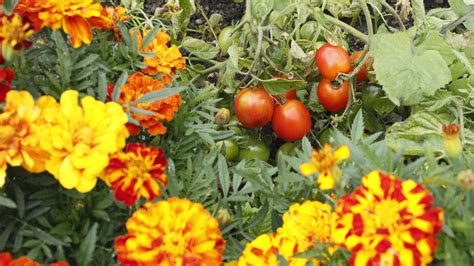
- Marigolds (Tagetes): Their strong scent deters nematodes and many other garden pests. Plant them around the base of your tomato plants.
- Nasturtiums: Act as a trap crop for aphids, drawing them away from your tomatoes.
- Borage: Attracts beneficial pollinators and predatory insects like bees and wasps, which can help control hornworms.
- Garlic & Onions: Their strong aromas can confuse and deter a wide range of pests.
Physical Barriers and Manual Removal
Row Covers and Netting
For young plants, lightweight row covers can provide an excellent physical barrier against early-season pests like flea beetles and cutworms. Ensure the covers are breathable and removed once flowering begins to allow for pollination. Bird netting can also protect ripening fruit from birds and larger insects.
Hand-Picking Pests
Sometimes, the simplest method is the most effective. Regularly inspect your heirloom tomato plants for signs of pests. Large pests like tomato hornworms are easily spotted and can be hand-picked and dropped into a bucket of soapy water. Early detection and removal prevent populations from exploding.

Homemade Organic Sprays and Solutions
Neem Oil Spray
Neem oil is a natural pesticide derived from the neem tree. It works as an antifeedant, growth disruptor, and repellent for many common pests. Mix pure cold-pressed neem oil with water and a tiny bit of mild soap (as an emulsifier) according to package directions, and spray in the early morning or late evening to avoid harming beneficial insects.
Garlic and Chili Pepper Spray
For a DIY repellent, blend a few cloves of garlic and a hot chili pepper with water. Strain the mixture, dilute it, and add a drop of mild dish soap. This pungent spray can deter a wide range of soft-bodied insects. Always test on a small section of the plant first to ensure it doesn’t cause damage.

Attracting Beneficial Insects
Your garden isn’t just for growing; it’s an ecosystem. By planting flowering herbs and other plants that attract beneficial insects, you can create a natural pest control army. Ladybugs devour aphids, parasitic wasps target hornworms, and lacewings feast on various soft-bodied pests. Plants like dill, cilantro, fennel, cosmos, and sunflowers are excellent choices for drawing in these helpful allies.
By implementing a combination of these natural, chemical-free strategies, you can significantly reduce pest damage to your heirloom tomatoes. Patience, observation, and a willingness to work with nature are your best tools for a successful, organic harvest.