



How to naturally deter garden pests from my heirloom tomatoes?
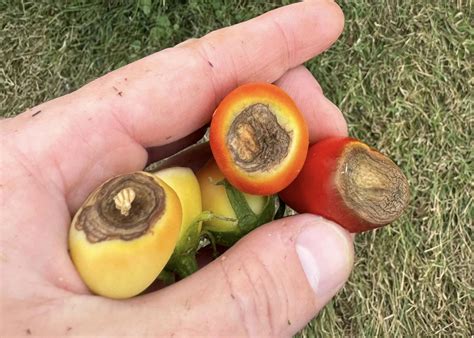
Heirloom tomatoes are a prized possession in many country gardens, celebrated for their unique flavors, vibrant colors, and rich history. However, these delicate beauties are also highly susceptible to a variety of garden pests that can quickly decimate a promising harvest. Opting for natural deterrence methods not only protects your precious plants but also fosters a healthier ecosystem in your backyard, aligning perfectly with the ethos of country living.
Embrace the Power of Companion Planting
One of the most effective and aesthetically pleasing ways to deter pests naturally is through companion planting. Certain plants release compounds that repel harmful insects or attract beneficial ones, creating a protective barrier around your tomatoes.
- Marigolds: French marigolds are excellent for deterring nematodes and other soil-borne pests. Plant them at the base of your tomato plants.
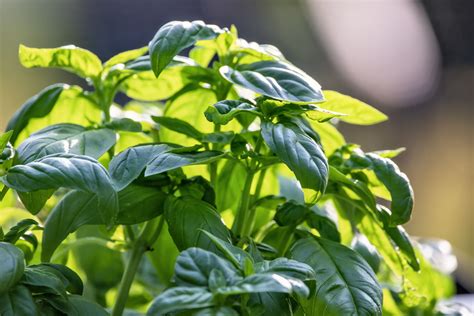
- Basil: Believed to improve tomato flavor and repel flies and hornworms.
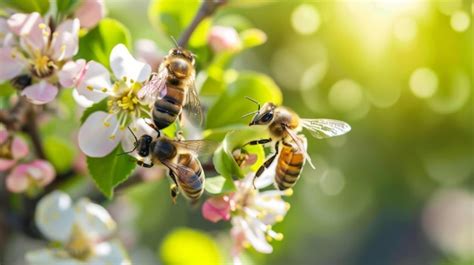
- Borage: Attracts beneficial pollinators and predatory insects like bees and tiny wasps, which prey on tomato hornworms.
- Nasturtiums: Act as a trap crop for aphids, luring them away from your tomatoes.
- Garlic and Onions: Their strong scents can confuse and deter a variety of pests.
Physical Barriers and Vigilant Observation
Sometimes, the simplest methods are the most effective. Physical barriers can prevent pests from reaching your plants, while regular inspection allows you to catch problems early.
- Row Covers: For young plants, lightweight row covers can protect against early insect infestations. Ensure they are removed when flowering begins to allow for pollination.
- Netting: Can deter larger pests like birds or even deer if your garden is prone to such visitors.
- Hand-Picking: Regularly inspect your tomato plants for common culprits like hornworms. These large green caterpillars are easily spotted and removed by hand.
- Sticky Traps: Yellow sticky traps can help monitor and reduce populations of flying pests like whiteflies and fungus gnats.
DIY Organic Sprays and Solutions
For more persistent pest problems, you can turn to homemade, organic sprays that are safe for your plants, your family, and the environment.
- Neem Oil Spray: A natural insecticide derived from the neem tree. Mix according to package directions and spray on affected plants. It works by disrupting insect feeding and growth.
- Garlic Spray: Crush several cloves of garlic, soak them in water overnight, then strain and mix with a little liquid soap. This pungent spray can deter aphids and other soft-bodied insects.
- Insecticidal Soap Spray: Mix a few tablespoons of mild liquid dish soap with water. Spray directly on aphids, spider mites, and whiteflies. The soap suffocates them without harming the plants.

Attract Beneficial Insects
Create a welcoming environment for insects that prey on your tomato pests. This biological control is a cornerstone of natural gardening.
- Ladybugs: Voracious eaters of aphids. You can purchase them or attract them by planting dill, fennel, and cilantro.
- Lacewings: Larvae feed on aphids, mealybugs, and spider mites. Attract them with cosmos, sweet alyssum, and dill.
- Parasitic Wasps: Tiny wasps that lay their eggs inside hornworm larvae, eventually killing them. Attract them with dill, parsley, and other plants with small flowers.
Foster a Healthy Garden Ecosystem
A strong, healthy plant is better equipped to withstand pest attacks. Focus on creating an optimal growing environment for your heirloom tomatoes.
- Healthy Soil: Amend your soil with compost and organic matter to ensure it’s rich in nutrients, promoting robust plant growth.
- Proper Watering: Water deeply and consistently at the base of the plant to encourage strong root development and prevent stress, which can make plants more vulnerable to pests.
- Mulching: Apply a layer of organic mulch (straw, shredded leaves) around your tomato plants. This helps retain soil moisture, suppress weeds, and can create a less hospitable environment for some ground-dwelling pests.
- Crop Rotation: Avoid planting tomatoes in the same spot year after year. This helps break pest and disease cycles that can build up in the soil.

Conclusion: A Holistic Approach for Thriving Tomatoes
Naturally deterring garden pests from your heirloom tomatoes is not about a single solution but rather a combination of thoughtful strategies. By integrating companion planting, physical barriers, organic sprays, encouraging beneficial insects, and maintaining a healthy garden ecosystem, you create a resilient environment where your heirloom tomatoes can thrive. This holistic approach ensures bountiful, delicious harvests while nurturing the natural world around your country home.