



How to naturally deter garden pests from organic homegrown vegetables?
Embracing Nature’s Solutions for a Thriving Garden
Cultivating a bountiful harvest of organic homegrown vegetables is a deeply rewarding experience. However, the joy of gardening can quickly turn to frustration when unwelcome garden pests decide to feast on your hard-earned produce. Fortunately, you don’t need to resort to synthetic pesticides that can harm your family, pets, and the environment. By understanding and implementing natural deterrence methods, you can protect your vegetables and foster a healthier, more vibrant garden ecosystem.

Building a Resilient Garden from the Ground Up
The first line of defense against pests is a healthy, robust garden. Just like humans, strong plants are better equipped to resist disease and insect attacks. Focus on creating an environment where your plants can thrive naturally.
- Healthy Soil: Nutrient-rich, well-draining soil is fundamental. Incorporate plenty of organic matter like compost to improve soil structure and microbial activity, which in turn helps plants absorb nutrients more efficiently.
- Proper Watering: Over or under-watering can stress plants, making them more vulnerable. Water deeply and consistently, preferably in the morning, to allow foliage to dry before nightfall, reducing fungal issues.
- Sunlight and Spacing: Ensure your plants receive adequate sunlight for their specific needs. Proper spacing improves air circulation, which can deter certain pests and diseases.
Strategic Planting for Pest Prevention
One of nature’s most effective pest control strategies involves working with, not against, other plants. Companion planting and crop rotation are powerful tools in an organic gardener’s arsenal.
Companion Planting: Nature’s Bodyguards
Certain plants can repel pests, attract beneficial insects, or even improve the growth of nearby vegetables. Experiment with these combinations:
- Marigolds: Known to deter nematodes and other soil-borne pests. Plant them around tomatoes, peppers, and beans.
- Nasturtiums: Act as a trap crop for aphids, drawing them away from your prized vegetables.
- Herbs: Basil (deters flies, mosquitoes, tomato hornworms), rosemary (repels carrot rust flies, slugs, snails), and mint (deters ants, aphids, flea beetles) are excellent additions.
- Alliums (onions, garlic, chives): Their strong scent can confuse and repel many pests, including aphids and slugs.

Crop Rotation: Breaking the Pest Cycle
Planting the same crop in the same spot year after year can lead to a buildup of specific pests and diseases in the soil. Rotate your crops annually (e.g., move legumes to where brassicas were) to disrupt pest life cycles and maintain soil health.
Physical Barriers and Manual Intervention
Sometimes, the simplest solutions are the most effective. Direct physical barriers and regular garden checks can significantly reduce pest damage.
- Row Covers: Lightweight, permeable fabrics can protect young plants from flying insects like cabbage moths, squash bugs, and cucumber beetles. Ensure they are securely anchored and removed during flowering if insect pollination is required.
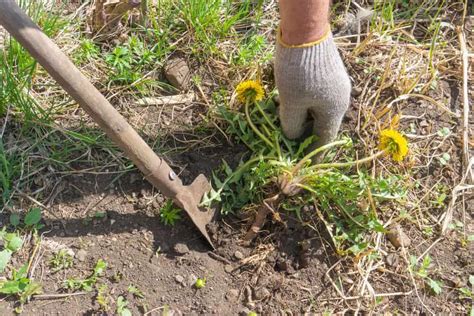
- Hand-picking: For larger pests like tomato hornworms, slugs, or Colorado potato beetles, a daily stroll through the garden with a bucket of soapy water can be incredibly effective.
- Sticky Traps: Yellow sticky traps can help monitor and reduce populations of flying pests like whiteflies and fungus gnats.
Harnessing Beneficial Insects
Not all insects are foes! Many are natural predators of garden pests. Encourage these allies to take up residence in your garden by providing habitat and food sources.
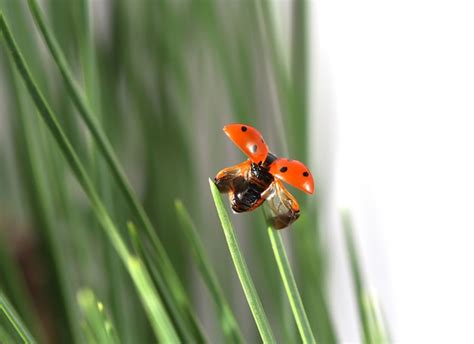
- Ladybugs: Voracious eaters of aphids, mites, and other soft-bodied insects.
- Lacewings: Larvae are excellent predators of aphids, mealybugs, and whiteflies.
- Praying Mantises: Generalist predators that will eat a wide range of insects.
- Parasitic Wasps: Target specific pests like hornworms and cabbage worms.
Plant flowering herbs and native plants like dill, fennel, cilantro, cosmos, and sunflowers to attract these helpful insects.
DIY Natural Pest Deterrents and Sprays
For persistent pest problems, a targeted spray can provide relief without harsh chemicals. Always test on a small section of a plant first.
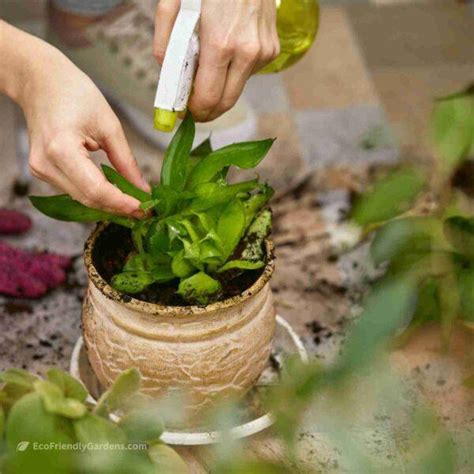
- Neem Oil Spray: A natural insecticide derived from the neem tree. It acts as an anti-feedant and growth disruptor for many pests. Mix according to package directions and spray thoroughly.
- Insecticidal Soap: A simple solution of mild liquid soap (not detergent) and water can suffocate soft-bodied insects like aphids, spider mites, and whiteflies. Use about 1-2 tablespoons of soap per gallon of water.
- Garlic or Pepper Spray: Puree garlic or hot peppers with water, strain, and dilute. The strong odor and taste can deter various pests.
Conclusion: A Holistic Approach to Pest Management
Successfully deterring garden pests naturally is not about finding a single magic bullet, but rather adopting a holistic, integrated approach. By focusing on soil health, strategic planting, regular observation, encouraging beneficial insects, and using targeted natural remedies when necessary, you can create a vibrant, productive organic garden that thrives in harmony with nature. Embrace these sustainable practices, and enjoy the delicious rewards of your pest-free, homegrown bounty.