How to naturally deter garden pests from real food crops without chemicals?

Embracing a Chemical-Free Garden Ecosystem
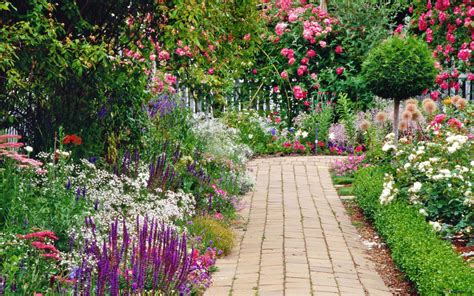
For those cultivating their own food, the sight of pests can be disheartening. However, the instinct to reach for chemical solutions often contradicts the very goal of growing healthy, natural produce. Fortunately, a wealth of effective, chemical-free methods exists to safeguard your real food crops, promoting a vibrant, balanced garden ecosystem.
By understanding the natural world and employing smart gardening practices, you can create an environment where pests are deterred and beneficial life thrives. It’s a journey of observation, patience, and working with nature, not against it.

The Power of Companion Planting
One of the oldest and most effective natural pest deterrents is companion planting. Certain plants, when grown together, can repel pests, attract beneficial insects, or even improve the growth of their neighbors. For instance, planting marigolds (Tagetes spp.) around your vegetables can deter nematodes and other soil-borne pests with their strong scent and root exudates. Nasturtiums act as a trap crop for aphids, luring them away from more valuable food plants.
Herbs like basil, rosemary, and mint are also excellent companions. Basil can repel flies and mosquitoes, protecting tomatoes, while rosemary deters bean beetles and carrot rust flies. Mint, though vigorous and best contained, can keep ants and rodents away.
Attracting and Nurturing Beneficial Insects
Not all insects are foes; many are your garden’s best allies. Ladybugs, lacewings, and hoverflies are voracious predators of aphids and other soft-bodied pests. Parasitic wasps target caterpillars and other insect larvae. To invite these helpful insects into your garden, provide them with habitat and food sources.
Plants with small, accessible flowers, such as dill, fennel, cilantro, cosmos, and sweet alyssum, are excellent nectar sources for beneficial insects. Avoid broad-spectrum pesticides, even organic ones, as they can harm these crucial predators. A diverse planting scheme creates a more stable ecosystem where predators can keep pest populations in check naturally.

Physical Barriers and Manual Removal
Sometimes, the simplest methods are the most effective. Physical barriers can prevent pests from reaching your crops in the first place. Row covers, made of fine mesh, can protect seedlings and young plants from flying insects like cabbage moths, carrot flies, and squash bugs. Ensure the edges are securely weighted or buried to prevent pests from crawling underneath.
Manual removal, though time-consuming for larger gardens, is highly effective for localized infestations. Hand-picking caterpillars, slugs, and larger beetles can significantly reduce damage. For slugs and snails, shallow traps filled with beer can lure them away from plants, allowing for easy disposal. Sticky traps can also be used to monitor and reduce populations of flying pests.
Homemade Sprays and Organic Solutions
When preventive measures aren’t quite enough, homemade sprays can offer a targeted, chemical-free solution. A simple insecticidal soap spray (made with a mild liquid soap and water) can be effective against aphids, spider mites, and whiteflies by suffocating them. Neem oil, derived from the neem tree, is another powerful organic pesticide that disrupts insect feeding and reproduction cycles.
Garlic and chili pepper sprays can act as repellents due to their strong odors and irritating properties. Always test any homemade spray on a small part of the plant first to ensure it doesn’t cause damage, and apply in the early morning or late evening to avoid burning foliage and to protect beneficial insects that are less active at these times.

Garden Hygiene and Soil Health
A clean garden is a healthy garden. Removing plant debris, weeds, and fallen fruit regularly eliminates hiding places for pests and reduces potential breeding grounds. Crop rotation also plays a vital role; planting the same crop in the same spot year after year can lead to a buildup of specific pests and diseases. Rotating crops breaks these cycles, confusing pests and improving soil health.
Ultimately, a healthy plant is more resistant to pests. Focus on building rich, living soil through composting and organic amendments. Well-nourished plants with strong immune systems are better equipped to withstand pest attacks, making them less appealing targets in the first place. By adopting these natural strategies, you can enjoy a thriving, chemical-free garden that provides an abundance of real food for your table.