
How to naturally deter slugs from my vegetable patch for a bountiful harvest?
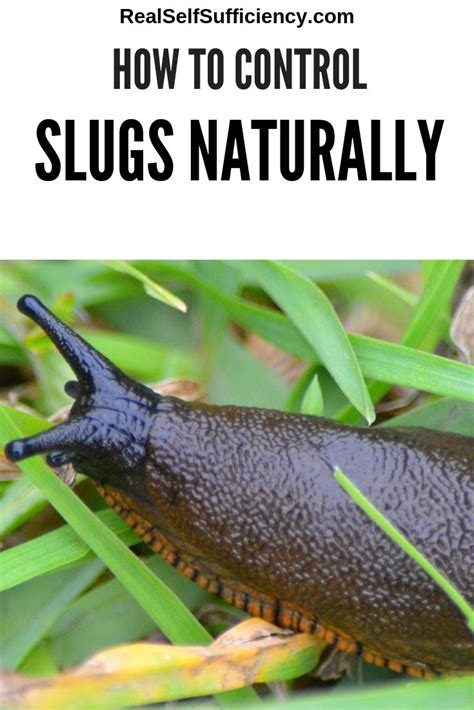
Conquering Slugs Naturally for a Thriving Garden
Slugs are a perennial challenge for gardeners, capable of turning lush leaves into lacy ruins overnight and decimating young seedlings before they even have a chance to grow. While chemical solutions exist, many home gardeners prefer natural, eco-friendly methods to protect their precious produce. This guide will walk you through effective, natural strategies to deter slugs, ensuring your vegetable patch thrives for a truly bountiful harvest.
Understanding Your Foe: The Slug
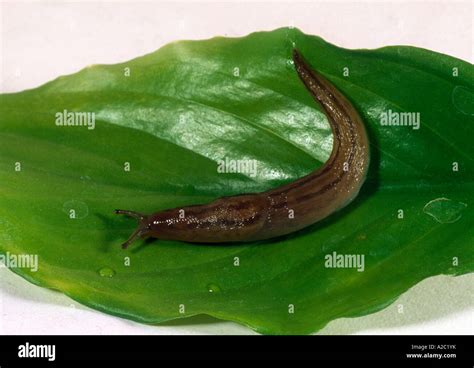
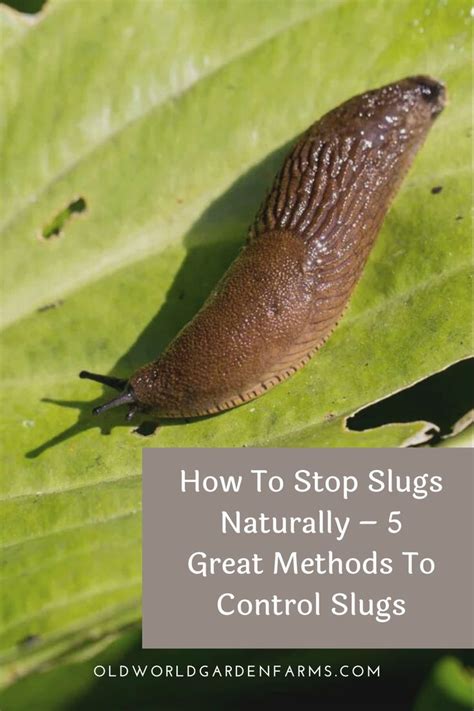
To effectively deter slugs, it’s crucial to understand their habits. These nocturnal gastropods thrive in moist, dark environments, feasting on tender new growth, seedlings, and ripening fruits, especially during damp weather. They are attracted to decaying matter and often hide under rocks, logs, or dense foliage during the day, emerging under the cover of darkness to feed.
Physical Barriers: Creating a No-Go Zone
One of the most effective ways to protect individual plants or entire beds is by creating physical barriers that slugs find unappealing or impossible to cross.
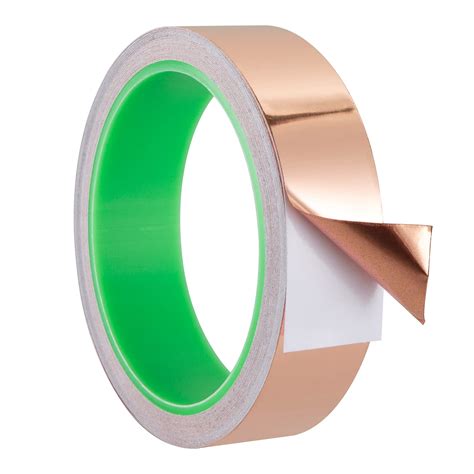
- Copper Tape: Slugs experience a mild electric shock when crossing copper, making it an excellent barrier for raised beds, pots, or containers. Apply it around the perimeter of vulnerable areas.
- Crushed Eggshells: The sharp, abrasive edges of crushed eggshells are unpleasant for slugs to crawl over. Sprinkle them generously around the base of plants. As an added benefit, eggshells also slowly release calcium into the soil.
- Diatomaceous Earth (DE): This natural powder, made from fossilized diatoms, acts as a desiccant, drying out slugs’ protective mucus and ultimately dehydrating them. Apply a fine layer around plants, but remember to reapply after rain. Always use food-grade DE.
Companion Planting: Nature’s Defense
Strategic planting can transform your garden into a slug-unfriendly zone. Some plants naturally repel slugs, while others can be used as decoys or attract their predators.
- Deterrent Plants: Slugs dislike strong scents. Plant slug-repelling herbs like rosemary, mint, sage, thyme, and lavender around vulnerable vegetables. Garlic and chives also have deterrent properties.
- Sacrificial Plants: Offer slugs plants they prefer even more than your prized vegetables, such as marigolds, hostas, or specific varieties of lettuce, planted away from your main crops. This can divert their attention.
Habitat Modification: Making Your Garden Less Welcoming
Adjusting your gardening practices can significantly reduce slug populations by removing their preferred hiding spots and limiting moisture.
- Watering Wisely: Water your garden in the morning rather than the evening. This allows the soil surface to dry out by nightfall when slugs are most active, making the environment less hospitable.
- Clear Debris: Regularly remove leaf litter, weeds, garden debris, and any potential hiding spots like upturned pots or planks where slugs love to shelter during the day. Keep pathways clear.
- Good Air Circulation: Space plants appropriately to improve air circulation, which helps the soil surface dry faster.
- Raised Beds: Raised beds tend to be drier and warmer, often making them less appealing to slugs than ground-level beds.
Encouraging Natural Predators: Bring in the Cavalry
Your garden can be a thriving ecosystem where nature keeps pests in check. Encouraging natural predators is a powerful, long-term slug control strategy.
- Birds, Frogs, and Toads: Provide a bird bath, native plants, and a small pond or moist, shady areas for frogs and toads. These creatures have a voracious appetite for slugs.
- Hedgehogs: If common in your area, create a hedgehog-friendly environment with log piles or undisturbed corners. Hedgehogs are excellent nocturnal slug hunters.
- Ground Beetles: These nocturnal insects are also fantastic slug predators. Avoid broad-spectrum pesticides that harm these beneficial insects.
Natural Traps and Baits: Luring Them Away
When all else fails, or for targeted removal, natural traps can be very effective in reducing slug numbers.
- Beer Traps: Slugs are irresistibly drawn to the yeast in beer. Bury shallow containers (like old yogurt pots or tuna cans) up to their rim in the soil and fill them with cheap beer. Slugs will crawl in and drown. Check and empty daily.
- Cornmeal: A saucer of cornmeal can attract and be fatal to slugs if consumed in quantity, as they cannot properly digest it.
- Citrus Peels: Invert orange or grapefruit halves near vulnerable plants. Slugs will crawl inside for shelter. In the morning, you can collect the peels along with the slugs and remove them from your garden.

Vigilance and Consistency are Key
Natural slug deterrence isn’t a one-time fix; it requires ongoing effort and observation. Regularly check your plants, especially after rain, and reapply barriers or refresh traps as needed. By combining several of these methods – creating barriers, modifying habitats, encouraging predators, and setting traps – you’ll create a robust defense system that allows your vegetables to flourish, leading to a truly abundant and healthy harvest, free from the ravages of slugs.