




How to naturally improve clay soil for a thriving veggie garden?
Understanding the Clay Soil Challenge
Clay soil, common in many regions, presents unique challenges for gardeners. Its tiny, tightly packed particles result in poor drainage, leading to waterlogging, root rot, and difficulty in aeration. When dry, it can become rock-hard, making cultivation a grueling task. However, with the right natural strategies, this dense soil can be transformed into a highly fertile and productive environment for a thriving vegetable garden.
The key to improving clay soil isn’t to fight its nature, but to modify its structure. By breaking up the tight bonds between clay particles and creating more pore space, you can enhance drainage, aeration, and make it easier for plant roots to penetrate. The good news is that clay soil is often rich in nutrients, meaning once you address the physical structure, your plants will have a robust foundation for growth.
The Golden Rule: Incorporate Abundant Organic Matter
This is arguably the most crucial step in improving clay soil. Organic matter acts like a magical elixir, binding the small clay particles into larger aggregates (crumbs), which creates a more open, crumbly structure. This improves drainage, aeration, and makes the soil easier to work. It also enhances the soil’s ability to hold onto nutrients and water, releasing them slowly to plants.
What to Use:
- Compost: Well-rotted compost is your best friend. Incorporate several inches (2-4 inches) annually, especially in the fall or spring before planting.
- Well-Rotted Manure: Cow, horse, or chicken manure (aged for at least 6 months to a year) adds a fantastic boost of organic matter and nutrients.
- Leaf Mold: Decomposed leaves are excellent for improving soil structure and providing slow-release nutrients.
- Green Manure/Cover Crops: Planting specific crops (like clover, vetch, rye) and tilling them into the soil before they go to seed adds significant organic matter, prevents erosion, and can even break up compaction with their roots.
Digging in organic matter should be done gently, ideally not more than 6-8 inches deep. Over-tilling can destroy the very soil structure you’re trying to build. For established beds, simply top-dressing with an inch or two of compost each season will gradually work its way into the soil.
Other Natural Allies for Soil Improvement
Cover Crops: Nature’s Plow and Fertilizer
Beyond adding bulk organic matter, cover crops are living tools that transform your soil. Their extensive root systems penetrate and break up compacted clay, improving its structure. When chopped down and incorporated, they release nutrients and contribute to the organic matter content. Leguminous cover crops like clover and vetch also fix nitrogen, naturally fertilizing your soil.
Gypsum: A Targeted Approach
While not a universal solution, gypsum (calcium sulfate) can be beneficial for certain types of clay soil, particularly those with high sodium content. Gypsum helps to replace sodium ions with calcium ions, which can cause clay particles to clump together more effectively, improving aggregation. However, it’s crucial to perform a soil test before adding gypsum, as it’s not effective for all clay types and can be detrimental if not needed.

Cultivation Practices for Clay Soil
- Avoid Working Wet Clay: This is paramount. Working wet clay compacts it severely, destroying any progress you’ve made. Wait until the soil is crumbly enough to work without sticking to your tools or forming a dense ball.
- Mulch Heavily: A thick layer of organic mulch (straw, wood chips, shredded leaves) on the surface helps regulate soil temperature, retain moisture, suppress weeds, and, most importantly, gradually breaks down to add more organic matter to the soil below. It also protects the soil surface from compaction by heavy rains.
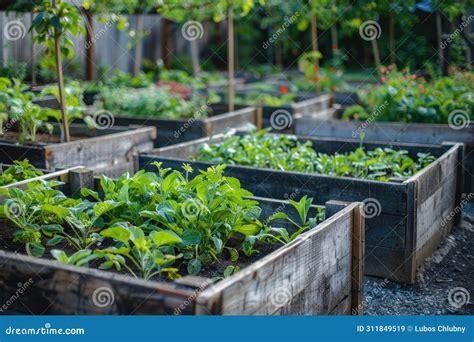
- Raised Beds: If your clay soil is extremely stubborn or you want to jump-start your garden, consider building raised beds. You can fill them with a custom blend of good quality topsoil and compost, effectively bypassing the clay below while still benefiting from any natural drainage it provides.
- Minimize Compaction: Avoid walking on your garden beds. Use permanent paths and garden beds designed to be accessed from the edges.
Long-Term Strategies for Success
Improving clay soil is not a one-time fix; it’s an ongoing process. Consistent application of organic matter, careful cultivation, and observation of your soil’s response will yield the best results over time. Each season, you’ll notice your clay soil becoming darker, more friable, and easier to work, leading to healthier, more productive plants.
Test your soil every few years to monitor nutrient levels and pH. This will help you make informed decisions about further amendments. Embrace the journey of transforming your clay soil, and you’ll be rewarded with a resilient, fertile garden that will thrive for years to come.