


How to naturally improve clay soil for backyard veggies?
Taming the Clay: Why Your Veggies Need Help
Clay soil, often characterized by its heavy, dense nature, can be a double-edged sword for gardeners. While rich in nutrients and moisture-retentive, its poor drainage and tendency to compact can suffocate plant roots, making it a frustrating challenge for growing thriving backyard vegetables. But fear not, transforming this stubborn soil into a fertile, productive growing medium is entirely achievable through consistent natural methods.
Understanding Your Clay Soil
Before you begin amending, it’s helpful to understand what you’re working with. Clay particles are the smallest of all soil particles, leading to very little pore space between them. This results in slow water infiltration, waterlogging, and poor aeration. When dry, clay soil can become as hard as concrete, making it difficult for roots to penetrate. However, its high cation exchange capacity means it holds onto essential nutrients exceptionally well – a distinct advantage if you can improve its structure.
The Benefits of Organic Matter: Your Clay Soil’s Best Friend
The single most effective and natural way to improve clay soil is by incorporating generous amounts of organic matter. Organic materials act like tiny sponges, creating larger aggregates and improving the soil’s crumb structure. This enhances aeration, drainage, and makes the soil easier to work, while simultaneously boosting its nutrient-holding capacity and supporting beneficial microbial life.
- Compost: The king of soil amendments, compost adds a rich blend of decomposed organic material, vital for improving soil structure and fertility. Spread a thick layer (2-4 inches) annually and gently work it into the top few inches, or simply let earthworms do the job in a no-dig system.
- Aged Manure: Well-rotted cow, horse, or chicken manure provides a wealth of organic matter and nutrients. Ensure it’s fully aged to prevent burning plants or introducing weed seeds.
- Leaf Mold: Decomposed leaves are an excellent source of organic matter, improving soil structure and water retention.
- Cover Crops: Planting cover crops like clover, vetch, or rye in the off-season can significantly improve clay soil. Their roots break up compaction, and when tilled under (or “chopped and dropped” in a no-dig system), they add green manure back into the soil.

Techniques for Long-Term Soil Improvement
Embrace No-Dig Gardening
No-dig gardening is particularly beneficial for clay soils. By avoiding tilling and compaction, you allow soil structure to develop naturally, encouraging earthworms and microbial activity. Simply add layers of organic matter (compost, straw, leaves) on top of the existing soil, and let nature do the rest.
Consider Raised Beds
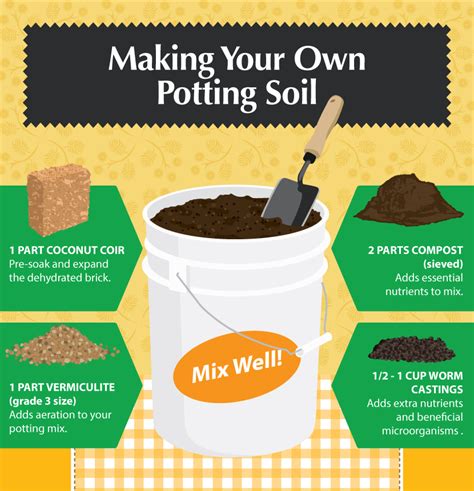
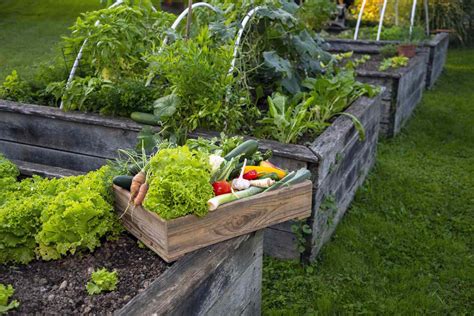
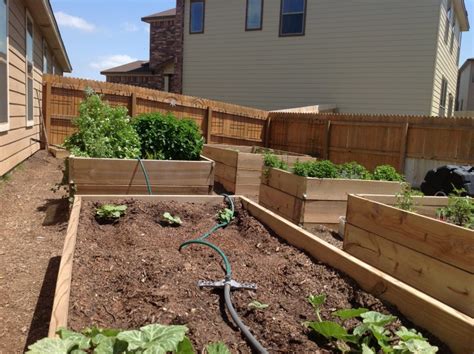
If your clay soil is extremely stubborn or you’re short on time, raised beds offer an excellent solution. You can fill them with a custom blend of good quality topsoil, compost, and other amendments, providing an immediate ideal growing environment for your vegetables without having to battle the native clay directly.
Aeration and Drainage
Beyond adding organic matter, conscious practices can further aid clay soil. Avoid walking on wet clay soil, as this compacts it severely. When planting, dig wider rather than deeper holes, and gently break up the sides of the hole to prevent a “bathtub effect” where water collects. Mulching generously with straw, wood chips, or shredded leaves will help retain moisture, suppress weeds, and slowly add organic matter to the surface.
Choosing the Right Plants
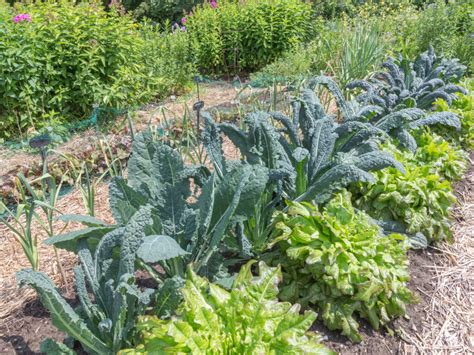
While you work on improving your clay soil, consider selecting vegetable varieties that are more tolerant of heavier soils. Some good options include kale, cabbage, broccoli, beans, peas, and some root vegetables like carrots (especially shorter varieties) and potatoes (grown in mounds or raised beds).

Patience and Persistence Pay Off
Improving clay soil is not an overnight process; it’s a marathon, not a sprint. Consistent application of organic matter and mindful gardening practices over several seasons will gradually transform your dense clay into a rich, friable loam. With patience and persistence, you’ll soon be enjoying bountiful harvests from a soil that once seemed impossible to tame, naturally supporting a thriving ecosystem in your backyard garden.