


How to naturally improve garden soil for bountiful vegetable yields?

The Foundation of a Thriving Garden: Healthy Soil
For any gardener dreaming of plump tomatoes, crisp lettuce, and abundant harvests, the secret lies not just in the seeds they sow, but in the soil beneath their feet. Healthy soil is the bedrock of a productive garden, teeming with life and providing essential nutrients, water retention, and aeration for plant roots. While chemical fertilizers offer a quick fix, they often neglect the long-term health of your soil and its delicate microbial ecosystem. Embracing natural methods is a sustainable and rewarding path to truly improve your garden soil, ensuring bountiful vegetable yields year after year.

Understanding Your Soil’s Needs
Before embarking on an improvement plan, it’s beneficial to understand your current soil type. Is it sandy and drains too quickly? Is it heavy clay that compacts easily? Or perhaps a loamy mix that’s already doing well? A simple soil test can reveal its pH level and nutrient deficiencies, guiding your natural amendments. Regardless of its starting point, most garden soils can benefit immensely from an increase in organic matter.
1. Embrace the Power of Composting
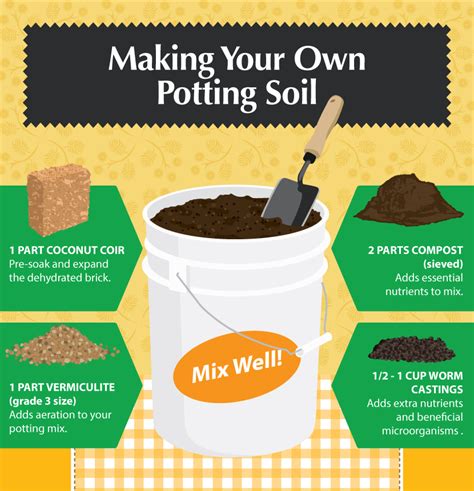
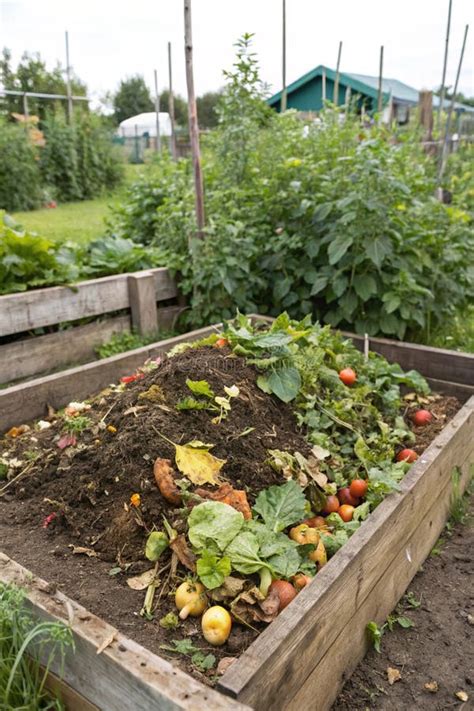
Compost is often called ‘black gold’ for a reason. It’s one of the most effective and accessible ways to enrich your soil. Made from decomposed organic materials like kitchen scraps, yard waste, and leaves, compost adds a wealth of nutrients, improves soil structure, enhances water retention in sandy soils, and improves drainage in clay soils. It also introduces beneficial microorganisms that play a crucial role in nutrient cycling.
- How to use it: Dig compost directly into your garden beds before planting, or use it as a top dressing (mulch) around existing plants.
- Benefits: Feeds plants slowly, improves soil structure, increases microbial activity, reduces waste.
2. Plant Cover Crops
When your garden beds are empty between growing seasons, they can be vulnerable to erosion and nutrient loss. Cover crops, also known as ‘green manure,’ are plants grown specifically to benefit the soil. Legumes like clover and vetch fix nitrogen from the air into the soil, while grains like rye and oats add organic matter and suppress weeds.
- How to use them: Sow cover crops in late summer or fall after your main harvest. In spring, cut them down and dig them into the soil a few weeks before planting your vegetables.
- Benefits: Prevents erosion, adds organic matter, fixes nitrogen, suppresses weeds, improves soil structure.
3. Incorporate Organic Mulches
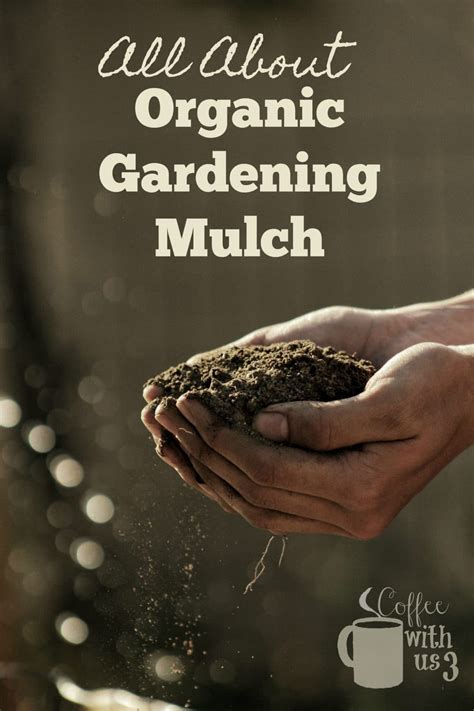
Mulching is a cornerstone of organic gardening. A layer of organic material—such as straw, shredded leaves, wood chips, or grass clippings—on the soil surface offers multiple benefits. It suppresses weeds, conserves soil moisture by reducing evaporation, moderates soil temperature, and as it breaks down, it slowly adds organic matter and nutrients to the soil.
4. Practice No-Till or Minimum Tillage
Traditional tilling can disrupt the delicate soil structure and destroy the beneficial fungal networks and microbial communities that are vital for healthy plant growth. Adopting a no-till or minimum tillage approach means disturbing the soil as little as possible. This encourages a thriving soil ecosystem, improves water infiltration, and builds stable soil aggregates over time.
5. Implement Crop Rotation and Companion Planting
These practices work in tandem to maintain soil health and reduce pest and disease issues. Crop rotation involves planting different types of vegetables in different beds each season to prevent the depletion of specific nutrients and break pest cycles. Companion planting strategically places plants together that benefit each other, often by deterring pests or attracting beneficial insects, reducing the need for interventions that might harm soil life.

Long-Term Benefits of Natural Soil Improvement
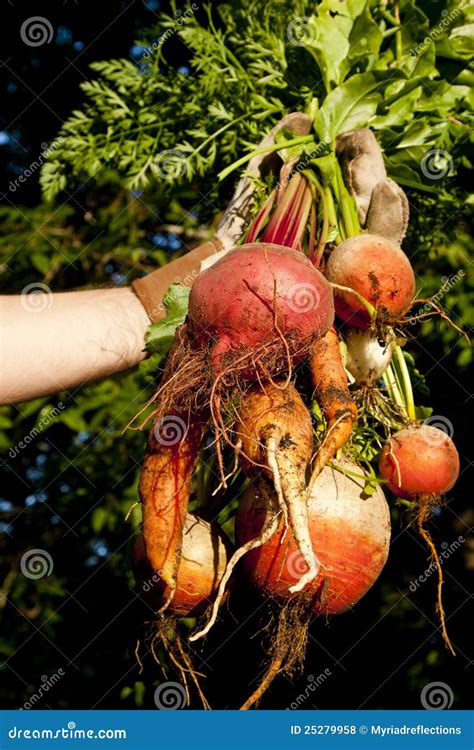
Investing time in natural soil improvement yields significant long-term rewards. You’ll observe increased earthworm activity, a richer, darker soil color, and a pleasant earthy aroma. Your plants will be more resilient to pests and diseases, requiring fewer interventions. Most importantly, you’ll experience consistently higher yields of healthier, more flavorful vegetables, knowing you’ve nurtured your garden sustainably from the ground up.
By integrating these natural practices into your gardening routine, you’re not just feeding your plants; you’re feeding the soil itself, creating a vibrant, living ecosystem that will generously reward you with bountiful harvests for years to come.