
How to naturally preserve abundant garden herbs for winter use?
As summer wanes and autumn’s chill approaches, home gardeners often find themselves with an abundance of vibrant, aromatic herbs. Rather than letting this precious harvest go to waste, preserving herbs naturally allows you to enjoy their fresh flavors, vibrant colors, and healthful properties long after the growing season ends. From classic drying techniques to innovative freezing methods and flavorful infusions, there’s a natural way to save every sprig for winter use.
The Art of Drying Herbs
Drying is perhaps the oldest and most widely used method for preserving herbs. It concentrates their flavor and extends their shelf life significantly. The key is to dry them slowly and thoroughly to prevent mold and retain their aromatic oils.
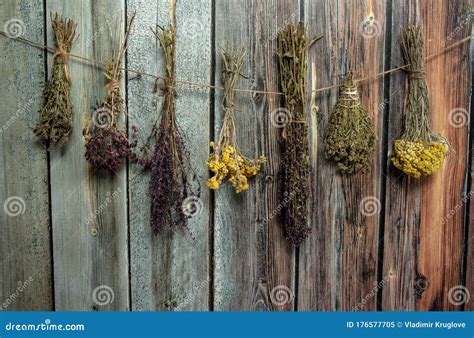
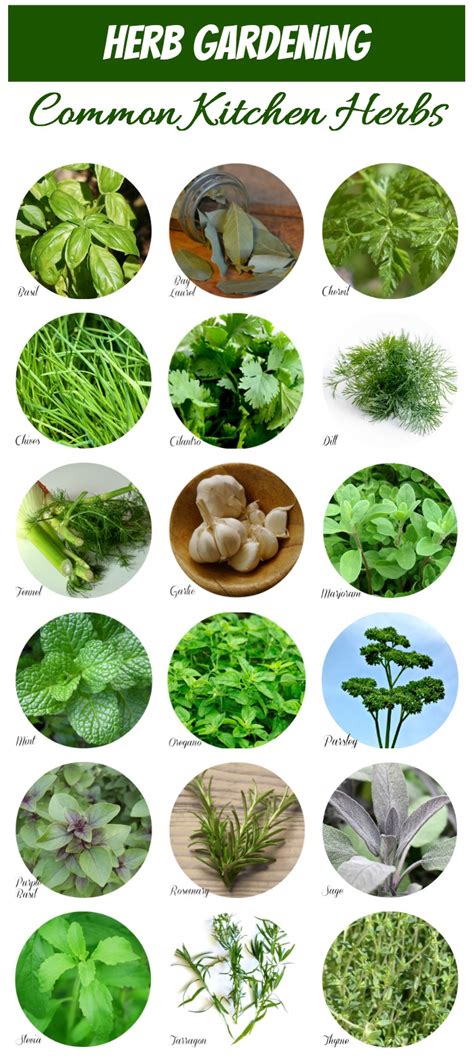
- Air Drying: Best for sturdy herbs like rosemary, thyme, oregano, and sage. Gather small bunches, tie them with twine, and hang them upside down in a warm, dry, well-ventilated area away from direct sunlight. This could be a pantry, attic, or a designated drying rack. Drying can take 1-3 weeks.
- Dehydrator: For a faster method, a food dehydrator works wonderfully for most herbs. Arrange single layers of leaves or small sprigs on trays, setting the temperature to its lowest setting (usually around 95-115°F or 35-46°C). Check frequently; delicate herbs may dry in a few hours, while others might take a full day.
- Oven Drying: Use your oven’s lowest setting (often ‘warm’ or 170°F/75°C) with the door slightly ajar to allow moisture to escape. Spread herbs in a single layer on baking sheets. This method requires careful monitoring to prevent scorching, usually taking a few hours.
Freezing Herbs for Freshness
Freezing is an excellent way to preserve the vibrant color and fresh flavor of more delicate herbs like basil, parsley, cilantro, dill, and chives, which don’t dry well. It’s also incredibly convenient for cooking.
- Whole or Chopped: Simply wash and thoroughly dry the herbs. For delicate herbs, you can freeze whole leaves on a baking sheet, then transfer them to freezer bags once solid. For most herbs, chopping them finely and packing them into ice cube trays is ideal.
- Herb Ice Cubes: Chop your herbs and fill ice cube tray compartments about two-thirds full. Cover with water, olive oil, or broth, then freeze. Once solid, pop out the cubes and store them in freezer bags. These pre-portioned cubes are perfect for adding directly to soups, stews, and sauces.

Infused Oils and Vinegars
Infusing oils and vinegars with herbs is a delightful way to capture their essence and add gourmet flair to your culinary creations. These make wonderful gifts too!
- Herb-Infused Oils: Use robust herbs like rosemary, thyme, oregano, and garlic. Ensure herbs are completely dry to prevent botulism risk. Gently warm olive oil with herbs for an hour, or let them infuse at room temperature for 1-2 weeks in a cool, dark place. Strain the oil and store in sterilized bottles. Always refrigerate infused oils and use within a few weeks.
- Herb-Infused Vinegars: White wine vinegar, apple cider vinegar, or champagne vinegar work best. Lightly bruise fresh herbs like tarragon, basil, or chives and place them in a clean bottle. Fill with warm (not hot) vinegar. Seal and store in a cool, dark place for 2-4 weeks, shaking occasionally. Strain and rebottle.
Salt Curing and Herb Pastes
For some herbs, salt curing or transforming them into pastes offers another dimension of preservation and flavor. This is particularly effective for herbs like basil, parsley, and cilantro.
- Salt Curing Herbs: Layer fresh, dry herb leaves with coarse salt in a jar. The salt draws out moisture and preserves the herbs. This method imparts a salty flavor, so use sparingly in cooking.
- Herb Pastes (Pesto): While often associated with basil, pestos can be made from a variety of herbs. Blend herbs with olive oil, garlic, nuts (optional), and cheese (optional). Freeze pesto in small containers or ice cube trays without cheese, adding it fresh when ready to use.
Storing Your Preserved Herbs
Proper storage is crucial for maximizing the shelf life and potency of your preserved herbs.
- Dried Herbs: Store dried herbs in airtight containers (glass jars are ideal) in a cool, dark place away from direct light and heat. They can retain potency for 6 months to a year. Label with the herb name and date.
- Frozen Herbs: Keep frozen herb cubes or individually frozen leaves in freezer bags, pressing out as much air as possible. Use within 6-12 months for best quality.
- Infused Products: Label infused oils and vinegars with their contents and creation date. Refrigerate infused oils and use them promptly. Vinegars, due to their acidity, have a longer shelf life and can often be stored in a cool pantry.

By employing these natural preservation methods, you can extend the joy of your garden’s bounty, ensuring that the fresh, vibrant tastes and aromas of your favorite herbs are always within reach, even on the coldest winter days. Experiment with different techniques to find what works best for each herb and for your cooking style, transforming your winter pantry into a treasure trove of homegrown flavors.