How to naturally preserve garden bounty within homemade recipes for winter eating?

Embracing the Winter Harvest: Natural Preservation Techniques
As the vibrant growing season winds down, many gardeners face a joyful dilemma: an abundance of fresh produce. Instead of letting this bounty go to waste, harnessing natural preservation methods allows us to extend the flavors of summer well into the colder months. Beyond the satisfaction of self-sufficiency, preserving your own food ensures you’re feeding your family wholesome, additive-free ingredients picked at their peak.
Natural preservation focuses on age-old techniques that don’t rely on artificial chemicals or excessive processing. These methods respect the integrity of the food, often enhancing its flavor and nutritional value through simple, time-honored practices.
Core Methods for Naturally Preserving Your Harvest
Canning: Sealing in Freshness and Flavor
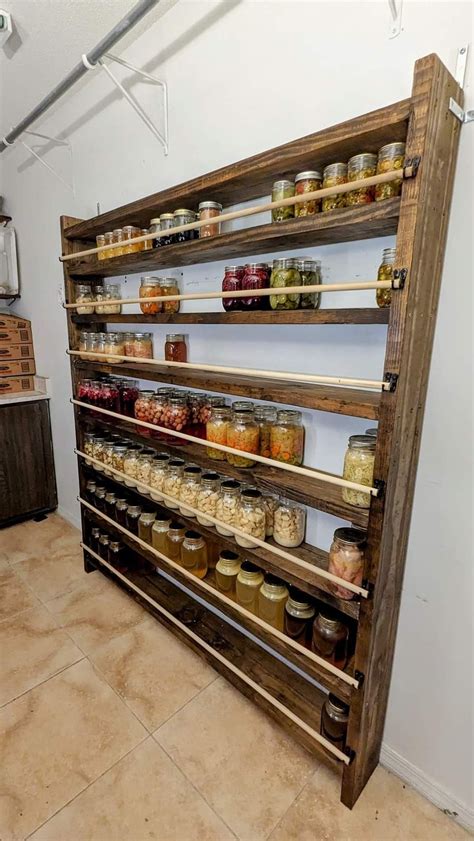
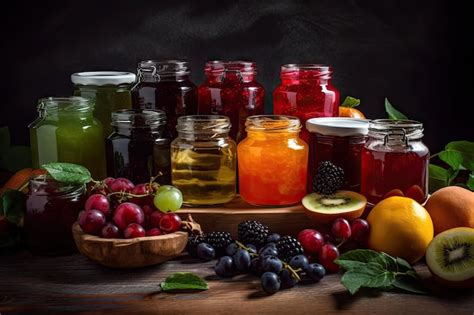
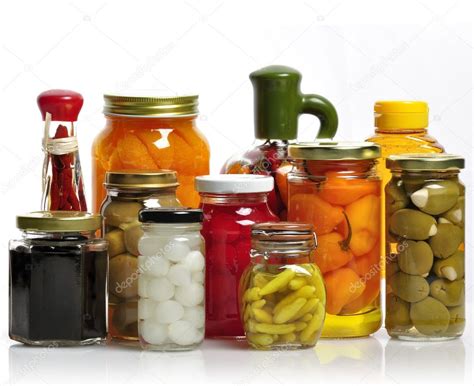
Canning is perhaps the most iconic method for preserving fruits and vegetables. Water bath canning is ideal for high-acid foods like fruits, jams, jellies, pickles, and tomato products. For low-acid vegetables, meats, and combinations, pressure canning is essential to prevent spoilage. Homemade tomato sauce, fruit preserves, and pickled green beans are staples that bring a taste of summer to winter meals.
Freezing: Simple and Versatile Storage
Freezing is one of the easiest ways to preserve a wide variety of garden produce. Blanching vegetables before freezing helps retain their color, texture, and nutrients. Berries can be frozen whole, while herbs can be chopped and frozen in oil or water in ice cube trays. Imagine homemade pesto with frozen basil or a hearty vegetable soup filled with your garden’s goodness.
Drying and Dehydrating: Concentrated Flavor and Long Shelf Life
Drying removes moisture, inhibiting microbial growth and concentrating flavors. This can be done with a food dehydrator, oven, or even naturally in the sun for certain items. Dried herbs, fruit leathers, sun-dried tomatoes, and mushroom slices are incredibly versatile. Dried apples make a perfect snack, while dried herbs elevate any winter dish.
Fermentation: Probiotic-Rich Preservation
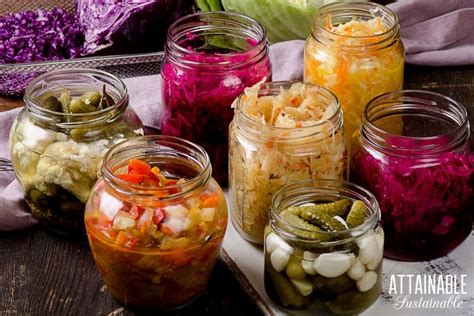
Fermentation is an ancient art that transforms vegetables into probiotic-rich foods. Lacto-fermentation, commonly used for making sauerkraut, kimchi, and various pickled vegetables, not only preserves food but also enhances its nutritional profile and creates unique tangy flavors. These fermented foods make excellent additions to winter salads, sandwiches, or as a vibrant side dish.
Creative Homemade Recipes for Winter Eating
Once your garden bounty is preserved, the culinary possibilities for winter are endless. Here are a few ideas to integrate your preserved ingredients:
- Hearty Soups and Stews: Use frozen vegetables (corn, peas, beans, carrots), canned tomatoes, and preserved herbs as the base for nourishing winter warmers.
- Jams and Chutneys: Serve your homemade fruit jams with toast, scones, or as an accompaniment to a cheese board. Savory chutneys pair wonderfully with roasted meats or curries.
- Pickle Power: Add pickled cucumbers, green beans, or carrots to sandwiches, salads, or as a crisp counterpoint to rich winter dishes.
- Baked Goods with Dried Fruits: Incorporate dried apples, berries, or plums into muffins, breads, oatmeal, or fruit crisps for a natural sweetness.
- Herbal Infusions and Spice Blends: Create custom herbal teas with dried mint, lemon balm, or chamomile. Blend dried garlic, onion, and various herbs for homemade seasoning mixes.

Tips for Successful Natural Preservation
- Start with Quality Produce: Always use fresh, unblemished fruits and vegetables at their peak ripeness.
- Follow Tested Recipes: Especially for canning, adhere strictly to reputable, tested recipes to ensure safety and quality.
- Proper Storage: Store canned goods in a cool, dark place. Frozen foods should be kept at 0°F (-18°C) or colder. Dried foods require airtight containers away from light and moisture.
- Label Everything: Include the date and contents on all preserved items to keep track of your stock.
Enjoying the Fruits of Your Labor
Preserving your garden bounty is more than just a chore; it’s a rewarding ritual that connects you to your food source and provides a delicious foundation for winter meals. By embracing these natural methods, you’re not only creating a pantry full of wholesome ingredients but also a deeper appreciation for the cycles of nature and the simple joy of homemade goodness.