

How to naturally preserve garden herbs for winter pantry use?

Embracing the Bounty: Why Preserve Your Herbs?
As summer fades and the chill of autumn approaches, many gardeners face a common dilemma: what to do with the last flush of their vibrant herb gardens? Rather than letting your aromatic treasures wither away, natural preservation techniques allow you to capture their fresh flavors and medicinal properties, extending your garden’s bounty well into the colder months. Stocking your winter pantry with homegrown herbs not only enhances your culinary creations but also reduces food waste and connects you more deeply with the seasonality of nature.
The Art of Drying Herbs
Drying is perhaps the oldest and most straightforward method of herb preservation, suitable for herbs with lower moisture content and robust flavors. This method concentrates their essence, making them a potent addition to winter dishes.
Air Drying: Simple and Effective
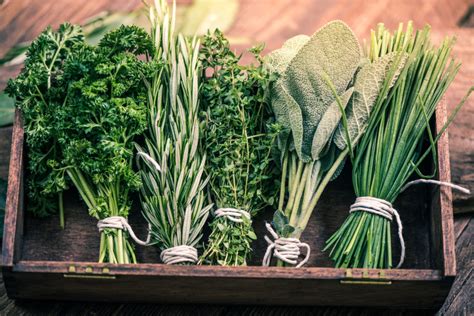
For sturdy herbs like rosemary, thyme, oregano, and bay leaves, air drying is ideal. Harvest herbs in the morning after the dew has evaporated but before the sun is too strong. Gently rinse them and pat dry. Remove any damaged leaves. Gather small bunches and tie them together with twine, then hang them upside down in a warm, dry, well-ventilated area away from direct sunlight. An attic, a pantry, or even a covered porch works well. Depending on humidity and herb type, drying can take one to three weeks. Herbs are fully dry when their leaves are brittle and crumble easily.
Oven or Dehydrator Drying: Speed and Precision
For more delicate herbs like mint, basil, or parsley, or if you live in a humid climate, a dehydrator or even a low-temperature oven can speed up the process. Spread single layers of leaves on dehydrator trays or baking sheets. Set the dehydrator to 95-115°F (35-46°C). For oven drying, set the oven to its lowest temperature (often around 170°F/75°C), leave the door slightly ajar, and check frequently to prevent burning. Drying times vary, from a few hours to overnight.
Freezing Herbs for Freshness
Freezing is an excellent method for preserving the vibrant color and fresh flavor of many herbs, especially those that don’t dry well, such as basil, cilantro, parsley, chives, and mint. It’s perfect for adding a burst of summer to soups, stews, and sauces throughout winter.
Herb Ice Cubes: Ready-to-Use Portions
Finely chop your fresh herbs and pack them into ice cube trays. You can fill trays with a single herb or create custom blends. Cover the herbs with a liquid medium like water, olive oil, or vegetable broth. Freeze until solid, then pop the herb cubes out and transfer them to freezer bags or airtight containers. Label with the herb type and date. These cubes can be tossed directly into hot dishes during cooking.
Chopped and Bagged Herbs
For herbs you might want to sprinkle over finished dishes or use in larger quantities, simply chop them and spread them on a baking sheet to freeze individually. Once frozen, transfer them to freezer-safe bags, pressing out as much air as possible before sealing. This method prevents clumping, allowing you to easily grab a handful as needed.

Infusions: Oils, Vinegars, and Honeys
Infusing herbs into oils, vinegars, or honey is a delightful way to capture their flavors and add a gourmet touch to your pantry. These infused products make wonderful gifts too!
Herbal Infused Oils
Harvest herbs like rosemary, thyme, oregano, or chili peppers. Ensure they are completely dry to prevent bacterial growth. Lightly bruise the herbs to release their aromatic oils. Place them in clean, sterilized glass bottles and cover with a good quality olive oil or other neutral oil. Seal tightly and store in a cool, dark place for 2-4 weeks, shaking occasionally. Strain out the herbs before storing the infused oil. Always store infused oils in the refrigerator and use within a month or two, or freeze them in smaller portions, as they can be susceptible to botulism if not handled correctly.
Aromatic Herb Vinegars
For herbal vinegars, herbs like tarragon, basil, dill, chives, or even lavender work beautifully. Gently crush or bruise the herbs and place them into clean glass bottles. Fill with white wine vinegar, apple cider vinegar, or champagne vinegar. Seal and store in a cool, dark place for 2-4 weeks, shaking periodically. Strain out the herbs for clear vinegar, or leave them in for a more decorative look. These vinegars are excellent for salad dressings, marinades, or deglazing pans.

Salt Preservation: A Classic Method
Salt has been used for centuries to preserve food, and it works wonderfully for herbs like rosemary, thyme, oregano, sage, and savory. The salt draws out moisture, preventing spoilage and infusing itself with the herb’s flavor.
Layer fresh, clean, and completely dry herbs with coarse sea salt in an airtight jar. You can create alternating layers of salt and herbs. Seal the jar and store it in a cool, dark place. The salt will become intensely flavored, and the herbs will dry out. Use this herb-infused salt in cooking to season meats, vegetables, or even popcorn. The herbs themselves, though preserved, will be salty and are best used in dishes where the saltiness is desired. This method also works well for creating herbal spice blends.
Proper Storage and Enjoyment
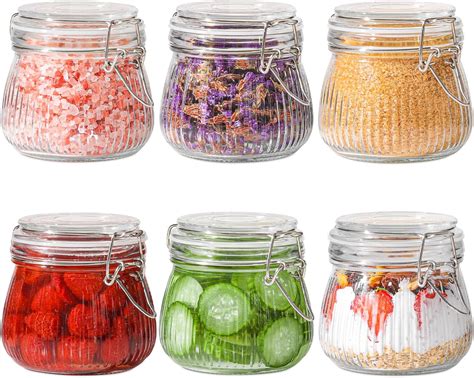
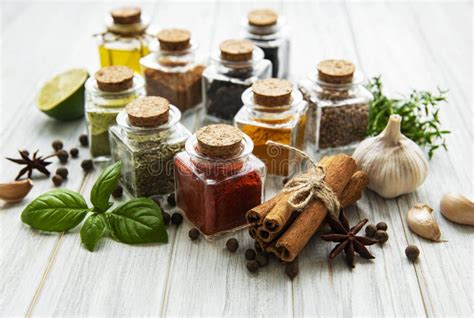
Once your herbs are preserved, proper storage is key to maintaining their quality. Store dried herbs in airtight containers, away from direct light, heat, and moisture. Glass jars with tight-fitting lids are ideal. Label everything clearly with the herb type and the date of preservation. Frozen herbs should remain in airtight containers or freezer bags to prevent freezer burn. Infused oils and vinegars also benefit from cool, dark storage, with oils often requiring refrigeration.
Preserving your garden herbs naturally is a rewarding endeavor that extends the joy of your garden throughout the year. It ensures a pantry full of flavorful, wholesome ingredients, ready to infuse your winter meals with the essence of summer. Experiment with different methods and find what works best for your favorite herbs and your culinary style. Happy preserving!