How to naturally prevent blight on heirloom tomato plants for a bountiful harvest?
Embrace Organic Strategies to Safeguard Your Heirloom Tomatoes
Heirloom tomatoes, celebrated for their exquisite flavors and diverse forms, are a gardener’s delight. However, these cherished varieties can be particularly susceptible to blight, a fungal disease that can quickly devastate a promising crop. The good news is that with proactive, natural prevention methods, you can significantly reduce the risk of blight and ensure a bountiful, delicious harvest.
Understanding Blight and Its Impact
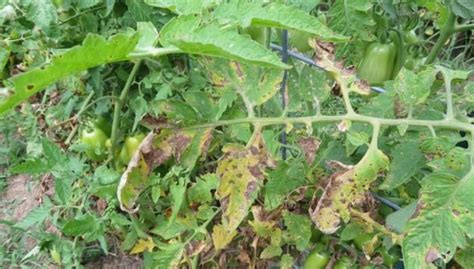
Blight manifests primarily as early blight (Alternaria solani) or late blight (Phytophthora infestans). Early blight typically appears as dark, concentric spots on lower leaves, while late blight causes larger, water-soaked lesions that rapidly spread, often leading to plant collapse. Both thrive in cool, wet conditions and spread through spores carried by wind, rain, and garden tools. Natural prevention focuses on creating an environment that discourages spore germination and spread, while fostering strong, resilient plants.
Strategic Site Selection and Soil Health
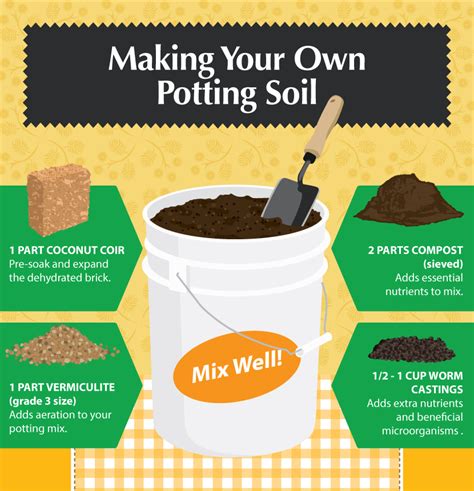
The foundation of blight prevention begins before planting. Choose a sunny location with at least 6-8 hours of direct sunlight daily to help dry foliage quickly after rain or dew. Ensure excellent air circulation by selecting an open spot, away from dense foliage or structures that might trap humidity. Furthermore, healthy soil is crucial. Amend your garden beds with ample organic matter, such as compost, which improves drainage, aeration, and provides a slow release of nutrients. Well-drained soil prevents waterlogging, a condition blight pathogens love.
Cultural Practices for Disease Resistance
Proper Spacing and Airflow
When planting, give your heirloom tomatoes plenty of space – at least 3 feet between plants. This critical step promotes good airflow around the foliage, which helps leaves dry faster and significantly reduces the humid conditions favored by blight spores. Staking or caging plants also lifts foliage off the ground, further enhancing air circulation and preventing soil-borne pathogens from splashing onto lower leaves during watering or rain.
Mindful Watering Techniques
Water your tomato plants at the base, directly at the soil line, using a soaker hose or drip irrigation. Avoid overhead watering, which wets the leaves and creates ideal conditions for blight to take hold. Water deeply and less frequently to encourage strong root development, and always water in the morning so any accidental splashes on foliage have time to dry before evening.

Mulching for Protection
Apply a thick layer (2-4 inches) of organic mulch, such as straw, shredded leaves, or wood chips, around the base of your tomato plants. Mulch acts as a barrier, preventing soil-borne fungal spores from splashing up onto the lower leaves during rain or irrigation. It also helps conserve soil moisture, regulate soil temperature, and suppresses weeds that compete for nutrients and airflow.
Pruning for Productivity and Health
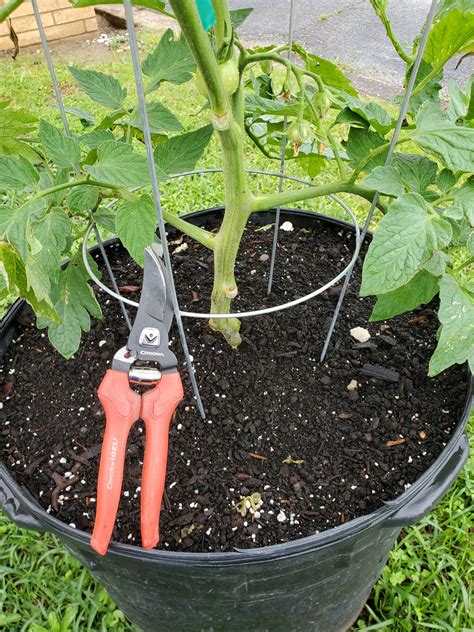
Regularly prune your tomato plants, removing any suckers (new shoots that emerge between the main stem and a leaf branch) that aren’t contributing to the main framework. More importantly, remove any lower leaves that are touching the soil or showing early signs of yellowing or disease. This not only improves air circulation but also removes potential entry points for pathogens. Always use clean, sharp pruning shears and sterilize them with rubbing alcohol between cuts or plants to avoid spreading disease.
Natural Treatments and Preventative Sprays
While prevention is key, some natural treatments can offer additional protection, especially if blight pressure is high in your area:
- Copper and Sulfur Sprays: These organic-approved fungicides can be used preventatively or at the first sign of disease. Follow product instructions carefully, ensuring thorough coverage of foliage.
- Compost Tea: A natural brew made from mature compost, compost tea is rich in beneficial microbes that can outcompete and suppress harmful pathogens on plant surfaces and in the soil. Apply as a foliar spray or soil drench.
- Baking Soda Solution: A simple homemade spray (1 tablespoon baking soda, 1 teaspoon horticultural oil, and a few drops of dish soap per gallon of water) can alter the pH on leaf surfaces, making them less hospitable to fungal spores. Apply weekly, especially after rain.
Vigilance and Crop Rotation
Inspect your tomato plants regularly for any discoloration or spots. Early detection allows you to remove infected leaves or branches promptly, preventing further spread. Dispose of diseased plant material away from your garden – do not compost it. At the end of the season, remove all tomato plant debris to eliminate overwintering blight spores.

Finally, practice crop rotation. Do not plant tomatoes or other solanaceous crops (like potatoes, peppers, or eggplants) in the same spot year after year. A 3-4 year rotation cycle can significantly reduce the build-up of soil-borne pathogens and pests, giving your heirloom tomatoes a fresh start each season.
Cultivating a Resilient Garden
Preventing blight on heirloom tomato plants naturally is a holistic endeavor that combines smart gardening practices with ecological awareness. By focusing on healthy soil, proper plant care, good hygiene, and timely interventions, you can create a resilient garden environment that encourages robust growth and delivers a truly bountiful harvest of your beloved heirloom tomatoes, season after season.