



How to naturally protect homegrown vegetables from garden pests?
Embrace Organic Solutions for a Thriving Garden
Cultivating your own vegetables is a rewarding experience, offering fresh produce right at your fingertips. However, the joy can quickly turn to frustration when garden pests invade, munching on your hard work. The good news is that you don’t need harsh chemicals to protect your plants. A variety of natural, organic methods can effectively deter unwanted visitors, promoting a healthy and productive garden ecosystem.
Understand Your Enemies: Identifying Common Pests
Before you can effectively combat pests, it’s crucial to know who you’re up against. Common garden pests include aphids, slugs, snails, cabbage worms, tomato hornworms, squash bugs, and cucumber beetles. Observe your plants regularly for signs of damage, such as chewed leaves, holes, discoloration, or the pests themselves. Early detection is key to preventing a full-blown infestation. Learning about their life cycles and preferred host plants will also help you tailor your natural defenses.

The Power of Companion Planting
One of the most effective and aesthetically pleasing natural pest control methods is companion planting. This involves strategically placing different plant species near each other to create a mutually beneficial environment. Certain plants can deter pests through their scent, attract beneficial insects, or even improve soil health for their neighbors.
- Marigolds: Known for repelling nematodes and other soil-borne pests.
- Nasturtiums: Act as a trap crop, luring aphids away from more desirable plants.
- Garlic & Onions: Their strong scents deter many pests, including aphids and slugs.
- Herbs (e.g., Rosemary, Thyme, Mint): Many herbs repel a wide range of insects due to their potent aromas.
Physical Barriers and Manual Removal
Sometimes, the simplest solutions are the best. Physical barriers can prevent pests from ever reaching your plants, while good old-fashioned manual removal can keep populations in check.
- Row Covers: Lightweight fabric covers can protect seedlings and young plants from flying insects like cabbage moths and squash bugs. Ensure they are securely anchored and removed during flowering for pollination.
- Collars: Use cardboard or plastic collars around the base of young plants to deter cutworms.
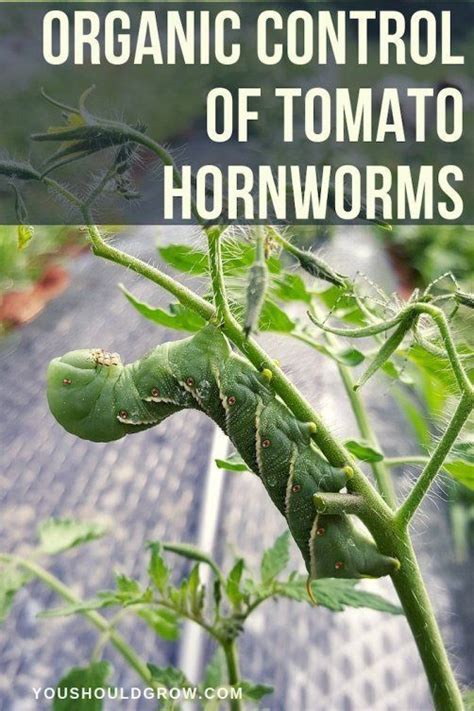
- Hand-Picking: For larger pests like tomato hornworms or slugs, simply pick them off your plants and dispose of them. Do this in the early morning or evening when pests are most active.
- Slug Traps: Shallow dishes filled with beer or a sugar-water mixture can effectively trap slugs and snails.
Attracting Beneficial Insects
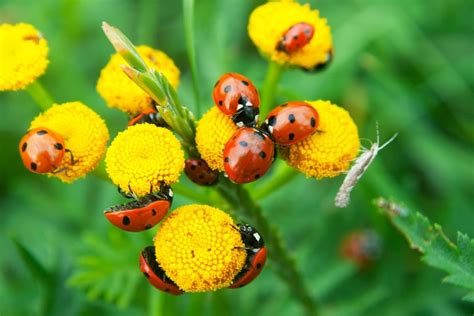
Not all insects are bad for your garden. Many, known as beneficial insects, prey on common garden pests. Creating a welcoming habitat for these helpful creatures can significantly reduce pest populations naturally.
- Ladybugs: Voracious eaters of aphids and other soft-bodied insects.
- Lacewings: Their larvae feed on aphids, mealybugs, and spider mites.
- Hoverflies: Larvae consume aphids, while adults are excellent pollinators.
- Parasitic Wasps: Lay eggs inside various garden pests, eventually killing them.
To attract beneficial insects, plant a variety of flowering plants, especially those with small, open flowers like dill, fennel, cilantro, cosmos, and sunflowers. Provide a water source and avoid using broad-spectrum pesticides that could harm them.
DIY Natural Pest Sprays and Remedies
For localized infestations or when pests are getting out of hand, homemade sprays using common household ingredients can offer a gentle yet effective solution.
- Neem Oil Spray: A natural insecticide and fungicide derived from the neem tree. It disrupts insect feeding and reproduction. Mix according to package directions and spray on affected plants.
- Soap Spray: Mix 1-2 tablespoons of mild liquid dish soap with a gallon of water. Spray directly onto soft-bodied pests like aphids, mites, and whiteflies. The soap suffocates them.
- Garlic or Pepper Spray: Blend garlic cloves or hot peppers with water and a tiny bit of soap. Strain and spray to deter a wide range of pests with its strong scent and irritating properties.
Always test any new spray on a small portion of a plant first to ensure it doesn’t cause damage, and apply in the early morning or late evening to avoid burning foliage in direct sun.
Good Garden Hygiene and Practices
Prevention is often the best medicine. Implementing good gardening practices can significantly reduce the likelihood of pest problems.
- Crop Rotation: Don’t plant the same vegetable in the same spot year after year. This helps break pest life cycles and prevents soil-borne diseases.
- Weed Control: Weeds can harbor pests and compete with your vegetables for nutrients. Keep your garden beds tidy.
- Proper Watering & Fertilizing: Healthy, strong plants are more resistant to pest attacks. Avoid over-fertilizing with nitrogen, which can encourage lush, soft growth that pests love.
- Clean Up Debris: Remove fallen leaves, spent plants, and other garden debris that can provide hiding spots for pests and disease spores.

Patience and Persistence
Natural pest control is an ongoing process that requires patience and observation. It’s about creating a balanced ecosystem where pests are managed rather than eliminated entirely. By adopting these organic strategies, you’ll not only protect your homegrown vegetables but also contribute to a healthier environment for your family and local wildlife. Enjoy the bounty of your naturally protected garden!