How to organically deter common garden pests from heirloom tomato plants?
Protecting Your Heirloom Tomatoes Naturally
Heirloom tomatoes, prized for their unique flavors and rich history, often require a little extra care to thrive. While their open-pollinated nature makes them resilient in many ways, they can still fall victim to a variety of common garden pests. The good news is that you don’t need harsh chemicals to protect your precious plants. By understanding the pests and implementing a few organic strategies, you can ensure a bountiful, healthy harvest.

Understanding Common Heirloom Tomato Pests
Before you can deter them, it helps to know who your adversaries are. Some of the most frequent invaders of tomato plants include:
- Aphids: Small, pear-shaped insects that cluster on new growth, sucking sap and leaving behind sticky honeydew.
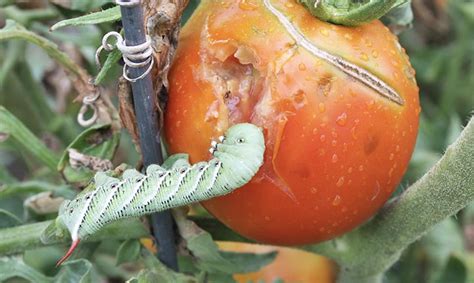
- Tomato Hornworms: Large, green caterpillars with a horn-like protrusion on their rear, capable of defoliating a plant overnight.
- Spider Mites: Tiny arachnids that cause stippling on leaves and spin fine webs, especially in hot, dry conditions.
- Whiteflies: Small, white, winged insects that fly up in a cloud when disturbed from the undersides of leaves.
- Slugs and Snails: Mollusks that chew irregular holes in leaves and fruit, leaving slimy trails.
Cultivating a Resilient Garden Ecosystem
The first line of defense against pests is a healthy plant grown in a healthy environment. Strong, well-nourished plants are naturally more resistant to pest attacks.
Soil Health is Key
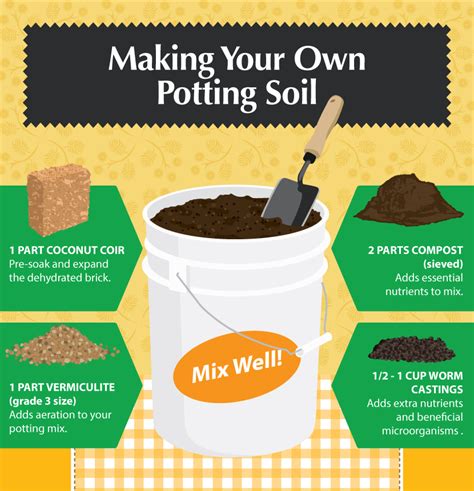
Start with rich, organic soil. Amend your soil with compost before planting to provide essential nutrients and improve drainage. Healthy soil promotes strong root development and overall plant vigor, making your heirloom tomatoes less susceptible to stress and pest infestations.

Strategic Companion Planting
Nature offers many allies in the fight against pests. Companion planting involves growing specific plants near your tomatoes that naturally repel pests or attract beneficial insects.
- Marigolds: French marigolds (Tagetes patula) are known to deter nematodes and other harmful soil pests.
- Basil: Plant basil near tomatoes to repel flies and hornworms, and some gardeners claim it enhances tomato flavor.
- Nasturtiums: These act as a trap crop for aphids, drawing them away from your tomatoes.
- Borage: Attracts beneficial pollinators and predatory insects like hoverflies and parasitic wasps, which prey on aphids and hornworms.
- Dill, Parsley, Carrots: Attract parasitic wasps and ladybugs.
Physical Barriers and Manual Control
Sometimes, the simplest methods are the most effective.
Row Covers and Netting
For young plants, lightweight row covers can protect against early-season pests like flea beetles and cutworms. Ensure they are removed once flowering begins to allow for pollination. Bird netting can deter larger pests like birds or even squirrels if they become an issue.
Hand-Picking Pests
One of the most satisfying (and effective) methods is simply picking pests off your plants. Hornworms are large enough to spot and remove by hand (drop them into a bucket of soapy water). Regularly inspect the undersides of leaves for aphids, whiteflies, or spider mites. Early detection prevents major infestations.

Leveraging Beneficial Insects
Invite the good guys into your garden! Beneficial insects are natural predators of common garden pests.
- Ladybugs: Voracious eaters of aphids and spider mites.
- Green Lacewings: Larvae feast on aphids, whiteflies, and other soft-bodied insects.
- Parasitic Wasps: Tiny wasps that lay their eggs inside hornworms and aphids, eventually killing them.
You can attract these helpful insects by planting a diverse array of flowering plants, especially those with small flowers like dill, fennel, yarrow, and sweet alyssum. Avoid broad-spectrum pesticides that would harm your allies.

Organic Sprays and Treatments
When infestations become more challenging, consider these organic spray options:
- Neem Oil: A natural insecticide derived from the neem tree. It disrupts insect feeding and reproduction. Apply according to package directions, typically in the evening to avoid harming beneficial insects.
- Insecticidal Soap: A gentle soap solution that smothers soft-bodied insects like aphids, whiteflies, and spider mites. Mix 1-2 tablespoons of mild liquid dish soap (avoid detergents with degreasers) per gallon of water and spray thoroughly, especially on leaf undersides.
- Garlic or Pepper Spray: Blending garlic cloves or hot peppers with water and a tiny bit of soap can create a repellent spray, though its effectiveness varies.
Always test any homemade spray on a small part of the plant first to ensure it doesn’t cause damage.
Maintaining Garden Hygiene
A clean garden is a happy garden. Remove fallen leaves, weeds, and any diseased plant material promptly, as these can harbor pests and diseases. Rotate your crops annually to break pest cycles and prevent soil-borne pathogens from accumulating.

Conclusion
Protecting your heirloom tomato plants organically is an ongoing process of observation, prevention, and thoughtful intervention. By fostering a healthy soil ecosystem, strategically planting companions, employing physical barriers, encouraging beneficial insects, and using organic treatments when necessary, you can successfully deter common garden pests. Enjoy the satisfaction of harvesting delicious, pest-free heirloom tomatoes, grown with nature’s help.