How to organically deter common garden pests using household items?
Embracing Eco-Friendly Pest Control for Your Garden
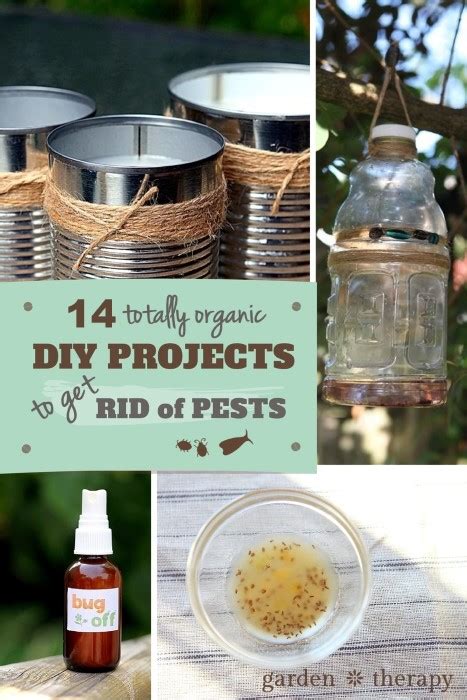
Nurturing a vibrant garden often means contending with uninvited guests: common garden pests. While chemical pesticides offer a quick fix, they can harm beneficial insects, pets, and even the environment. For those embracing a country living ethos, organic pest control using everyday household items presents a sustainable, safe, and surprisingly effective alternative. This guide will explore practical, eco-friendly methods to deter those pesky invaders, helping you maintain a healthy, thriving garden without resorting to harsh chemicals.
Dish Soap: The Gentle Assassin
One of the simplest yet most effective organic pest deterrents comes straight from your kitchen sink: liquid dish soap. A dilute solution can combat soft-bodied insects like aphids, spider mites, and whiteflies by dissolving their protective outer layer, causing dehydration. Mix 1-2 tablespoons of mild liquid dish soap (avoid degreasers or antibacterial types) with a gallon of water in a spray bottle. Apply directly to affected plants, ensuring to cover the undersides of leaves where pests often hide. It’s best to test on a small section of the plant first to ensure no adverse reaction, and apply during cooler parts of the day to prevent leaf burn.

Vinegar: A Versatile Garden Protector
White vinegar is another household staple with multiple garden applications. Its acidity makes it an excellent herbicide for unwanted weeds (use cautiously near desired plants) and an effective deterrent for certain pests. For ants, slugs, and snails, a direct spray of undiluted white vinegar can be effective. You can also mix it with water (1:3 ratio) and a teaspoon of dish soap to create a general insect repellent spray, though this is primarily for deterring, not eliminating, pests. Reapply after rain or every few days as needed.
Garlic and Chili: The Spicy Repellent Duo
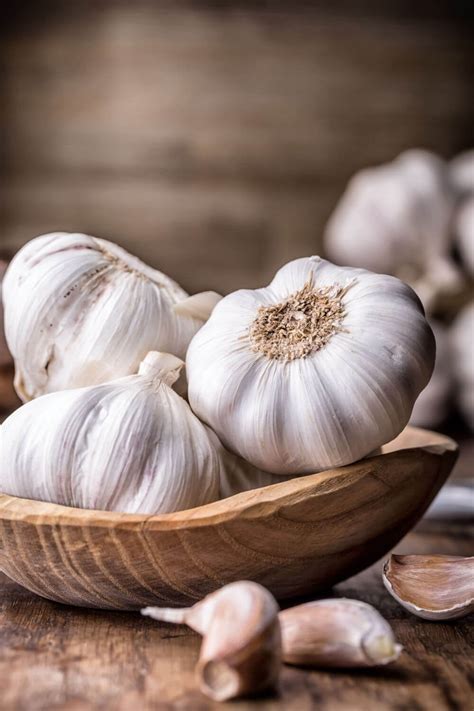
If you’re looking for a powerful, natural deterrent, look no further than your spice rack. Garlic and chili peppers contain compounds that many pests find highly irritating or repellent. To create a potent spray, finely chop several cloves of garlic and one or two hot chili peppers (e.g., jalapeños or habaneros). Steep them in a quart of hot water overnight. Strain the mixture, add a teaspoon of liquid dish soap, and dilute with another quart of water. This concoction can deter aphids, slugs, grasshoppers, and even deer and rabbits. Always wear gloves when handling chili peppers and avoid spraying on a windy day to prevent irritation.
Coffee Grounds: A Groundbreaking Deterrent
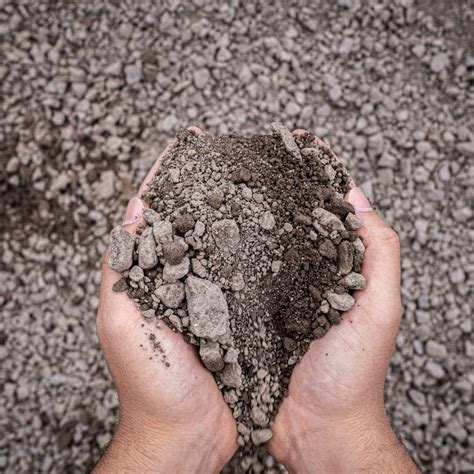
Don’t toss those used coffee grounds! They’re a valuable resource in the organic garden. Their abrasive texture and caffeine content can deter slugs and snails when sprinkled around the base of vulnerable plants. Coffee grounds also enrich the soil with nitrogen and can slightly acidify the soil, which benefits acid-loving plants like blueberries and rhododendrons. While not a direct pesticide, they create an inhospitable environment for several common garden nuisances.
Eggshells: A Barrier Against Crawlers
Crushed eggshells are a simple, yet effective physical barrier against soft-bodied pests. When sprinkled around the base of plants, the sharp edges of the shells can deter slugs, snails, and cutworms from crossing and reaching your plants. Furthermore, eggshells slowly release calcium into the soil, which is beneficial for plant health. Just rinse and crush your eggshells before scattering them.
Companion Planting: Nature’s Own Pest Control
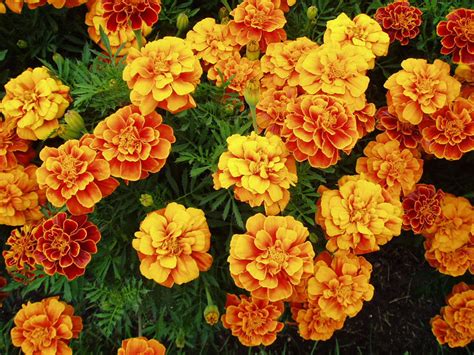
Beyond household items, consider the power of companion planting. Certain plants naturally repel pests or attract beneficial insects that prey on pests. Marigolds, for example, are known to deter nematodes and other harmful soil pests. Basil can repel flies and mosquitoes, while mint can deter ants and aphids. Incorporating these into your garden design not only adds beauty but also builds a more resilient, naturally protected ecosystem.
Best Practices for Organic Pest Management
- Consistency is Key: Organic methods often require more frequent application than chemical pesticides.
- Early Detection: Regularly inspect your plants for signs of pests to address issues before they escalate.
- Healthy Plants: Strong, healthy plants are more resistant to pest infestations. Ensure proper watering, nutrition, and sunlight.
- Attract Beneficials: Encourage ladybugs, lacewings, and other predatory insects by planting flowers rich in pollen and nectar.
- Physical Barriers: Use row covers or hand-pick larger pests like hornworms.
Adopting organic pest control methods using household items is a rewarding step towards a healthier, more sustainable garden. It not only protects your plants from harm but also contributes to a vibrant, eco-friendly environment, perfectly aligning with the principles of country living. Experiment with these natural remedies, observe your garden’s response, and enjoy the satisfaction of growing beautiful produce without chemicals.