
How to organically deter deer from a small vegetable garden without fencing?

For many country living enthusiasts, a small vegetable garden is a source of joy and sustenance. However, the presence of deer can quickly turn that joy into frustration as they munch their way through your prized produce. While fencing is often the go-to solution, it’s not always practical or aesthetically pleasing for a small garden. Fortunately, there are numerous organic and fence-free methods to discourage these graceful but greedy visitors.
Understanding Deer Behavior
To effectively deter deer, it helps to understand their habits. Deer are creatures of habit and opportunity. They are attracted to lush, tender greens, especially during dry spells when natural forage is scarce. They have a keen sense of smell and relatively good eyesight, but can be startled by sudden changes or strong, unfamiliar scents and tastes. Knowing this allows us to exploit their senses and natural caution to protect your garden.

Scent-Based Deterrents
Deer strongly dislike certain smells. By strategically placing these scents around your garden, you can create an invisible barrier they’d rather avoid. The key is variety and regular replenishment, as deer can become accustomed to static deterrents over time.
- Strong-Smelling Soaps: Bars of highly scented soap, like Irish Spring, can be hung from stakes or branches around the garden. Grate pieces and scatter them around the perimeter for a more widespread effect.
- Human Hair: Deer associate human scent with danger. Collect hair from your brush or local barbershop and place small handfuls in mesh bags (like onion bags) or old stockings, hanging them from stakes or low branches.
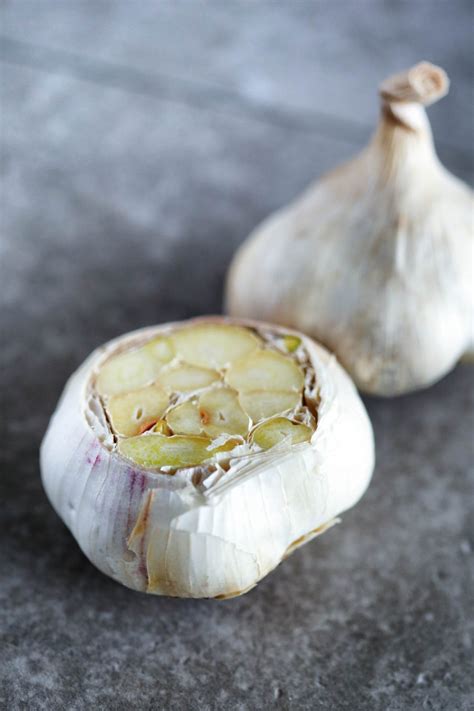
- Pungent Plants: Incorporate plants with strong aromas that deer typically dislike. Garlic, onions, chives, mint, rosemary, and lavender can be planted around the perimeter or interspersed within your vegetables.
- DIY Repellent Sprays: A common organic concoction involves rotten eggs, garlic, and chili powder mixed with water. The putrescent egg smell is particularly offensive to deer. Spray this mixture directly on non-edible parts of plants or around the garden’s edge after rain or every few weeks.
Taste-Based Deterrents and Plant Selection
Beyond scent, making your garden unpalatable is a powerful deterrent. This involves both what you plant and what you apply.
- Deer-Resistant Plants: While no plant is 100% deer-proof, many are less appealing. Choose vegetables like rhubarb (leaves are toxic), asparagus, squash, cucumbers, and strong-smelling herbs. Surround your more desirable plants with unpalatable ornamentals like lamb’s ear, dusty miller, poppies, lavender, catmint, and common sage.
- Bitter Sprays: Some commercial organic sprays use capsaicin (from chili peppers) or bittering agents to make plants taste bad. You can create a simple DIY version using hot pepper flakes steeped in water and then strained and sprayed.

Visual and Auditory Scare Tactics
Deer are naturally cautious and can be startled by unexpected sights and sounds. While they can get used to static deterrents, motion and noise can be effective, especially if varied.
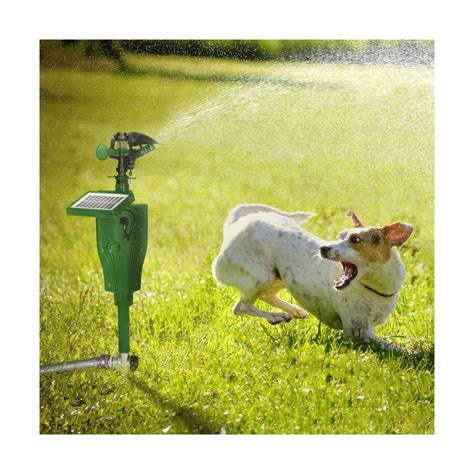
- Motion-Activated Sprinklers: These devices detect movement and spray a burst of water, startling deer without harming them. They are highly effective, especially for night visits.
- Shiny, Reflective Objects: Hang old CDs, aluminum pie plates, or strips of reflective Mylar ribbon from stakes or branches. The flashing light and movement can make deer wary.
- Wind Chimes or Bells: Unpredictable noises can also deter deer. Place wind chimes or small bells strategically around the garden.
Consistency and Rotation are Key
Deer are intelligent and adaptable. What works one week might lose its effectiveness the next if not varied. It’s crucial to employ a multi-faceted approach and regularly change up your deterrents. Rotate scents, reapply sprays, and move visual deterrents to keep deer guessing. Consistency in reapplication, especially after rain, is vital for maintaining the effectiveness of sprays and strong scents.
Protecting your small vegetable garden from deer without fencing is an ongoing, creative challenge. By combining several organic methods – leveraging strong scents, unpalatable tastes, and startling visual or auditory cues – you can create an environment that deer find less appealing. Patience, observation, and a willingness to experiment will lead to a thriving, deer-free garden and a more peaceful country living experience.