
How to organically deter squash vine borers from garden squash?
The Menace of the Squash Vine Borer
For many gardeners, the sight of vibrant squash vines sprawling across the garden is a source of joy and anticipation. However, this delight can quickly turn to dismay when the elusive squash vine borer (SVB) decides to make an appearance. These destructive pests can wipe out an entire squash patch in a matter of days, leaving gardeners heartbroken and harvestless. Understanding their lifecycle and implementing timely organic strategies are key to protecting your precious plants.
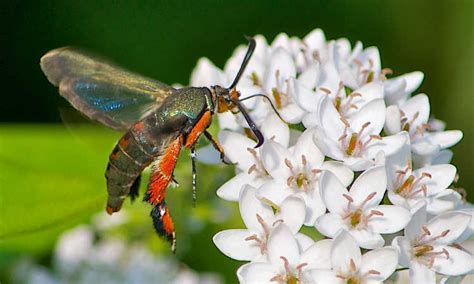
The squash vine borer moth (Melittia cucurbitae) is a day-flying moth that lays small, reddish-brown eggs at the base of squash plant stems, usually from late spring to mid-summer. Once hatched, the larvae, which are thick, white caterpillars with brown heads, bore into the stems, hollowing them out from the inside. This internal damage disrupts the flow of water and nutrients, causing the plant to wilt suddenly and eventually die.
Identifying the Enemy: Signs of Infestation
Early detection is crucial in the battle against squash vine borers. The adult moths are often mistaken for wasps due to their black bodies, orange markings, and clear wings, but they fly during the day. Look for them hovering around the base of your squash plants.
Key Indicators:
- Eggs: Inspect the base of stems and leaf petioles for tiny, flat, reddish-brown oval eggs.
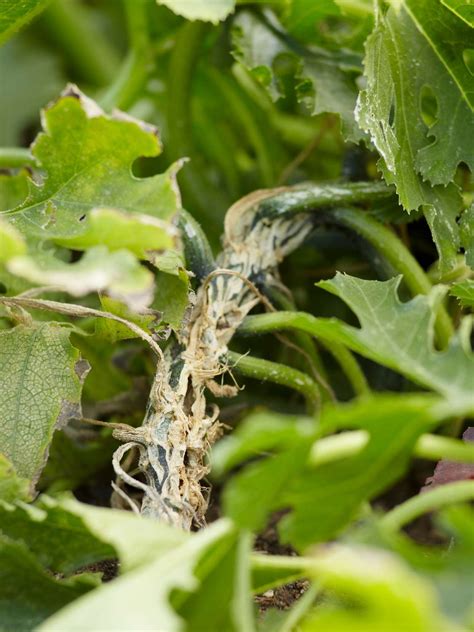
- Frass: As the larvae tunnel, they push out a sawdust-like excrement called frass, which can be seen at the entry holes on the stems.
- Wilting: Sudden wilting of leaves, especially on a sunny day, even if the soil is moist, is a strong indicator of internal stem damage.
- Collapsed Vines: In advanced stages, the entire vine will collapse and die.
Organic Prevention Strategies
Preventing an SVB infestation is far easier than treating one. A multi-pronged organic approach can significantly reduce your risk.
Strategic Planting
- Timing: Plant squash either very early or very late in the season to avoid the peak egg-laying period of the moths.
- Succession Planting: Plant several batches of squash a few weeks apart. If one crop is hit, you still have others coming.
- Resistant Varieties: While no squash is fully immune, some varieties like ‘Green Striped Cushaw,’ ‘Butternut,’ and ‘Royal Acorn’ have harder stems that are more difficult for borers to penetrate. Zucchini and yellow summer squash are highly susceptible.
Physical Barriers
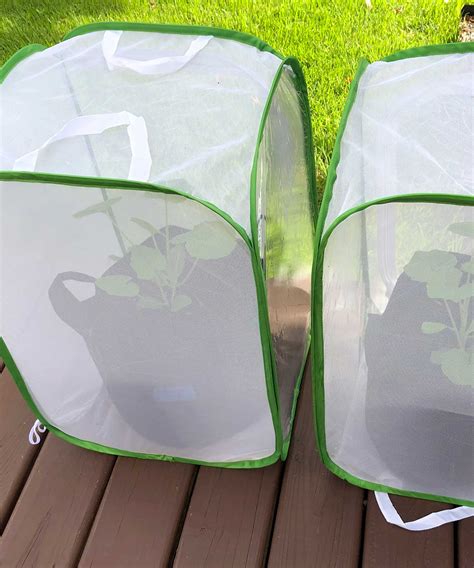
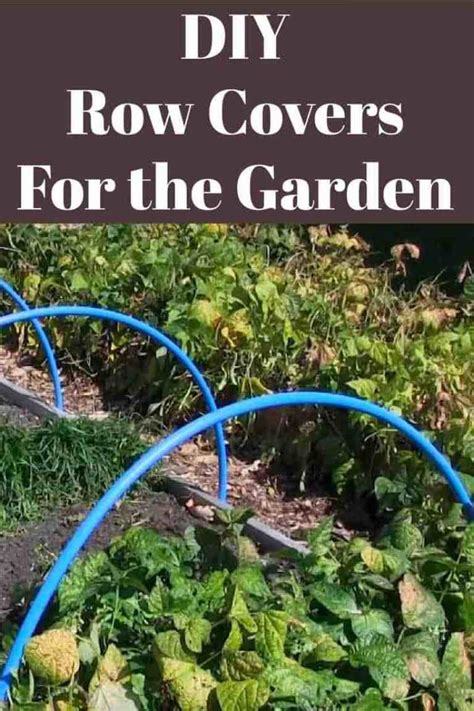
- Row Covers: Install floating row covers over your plants from the moment they are planted until they begin to flower. This prevents the moths from laying eggs. Remember to remove them for pollination once flowers appear.
- Stem Wrapping: Wrap the base of young squash stems with aluminum foil, old pantyhose, or garden fabric. This creates a physical barrier that the borers cannot penetrate to lay eggs or bore into the stem.
Companion Planting and Crop Rotation
- Companion Plants: While research is mixed on their direct effect on SVB, planting deterring herbs like nasturtiums, calendula, or marigolds nearby can help confuse pests or attract beneficial insects.
- Crop Rotation: Never plant squash in the same spot year after year. Rotating crops to different beds helps break pest cycles and reduces pest populations in the soil.
Organic Deterrence and Treatment
If prevention measures aren’t entirely successful, there are still organic methods to deter and treat an ongoing infestation.
Vigilant Monitoring and Manual Removal
- Daily Inspection: Make it a habit to check the base of your squash stems every day for eggs. Scrape them off with your fingernail or a dull knife.
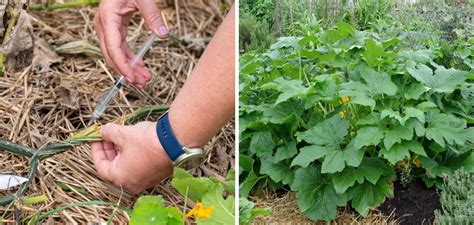
- Surgical Removal: If you spot frass or wilting, you can attempt to surgically remove the borer. Carefully slice open the stem lengthwise with a sharp knife, locate the borer, remove and destroy it, then bury the slit stem with soil to encourage secondary root growth.
Bacillus thuringiensis (Bt)
- Bt Injection: For an active infestation, you can inject a solution of Bacillus thuringiensis (Bt), a naturally occurring soil bacterium, directly into the stems. Bt is specific to caterpillars and is safe for humans and beneficial insects. Use a syringe (without a needle) to inject the solution into the stem where frass is visible.
Stem Protection
- Mounding Soil: As squash vines grow, gently mound soil over sections of the vine at leaf nodes. This encourages the vine to root at these points, providing additional nutrient and water uptake if the main stem is damaged.
Post-Infestation Recovery and Future Planning
If a plant is severely damaged beyond recovery, it’s best to remove it and destroy it to prevent the borers from completing their lifecycle and returning next season. Do not compost infested plant material.
Learning from each gardening season is invaluable. Keep notes on which methods worked best for your garden, which varieties performed well, and when you observed the first signs of borers. This information will empower you to fine-tune your organic defense strategy for healthier squash plants in years to come.

Cultivating Resilience in Your Squash Patch
Battling squash vine borers can be a test of patience, but with a proactive and consistent organic approach, you can significantly increase your chances of a bountiful squash harvest. Combining physical barriers, strategic planting, diligent monitoring, and targeted organic treatments forms a robust defense. Embrace these natural methods, and enjoy the satisfaction of growing healthy, thriving squash free from chemical intervention, truly embodying the spirit of country living.