


How to organically enrich homestead garden soil for bigger yields?
The Foundation of Abundant Homesteading
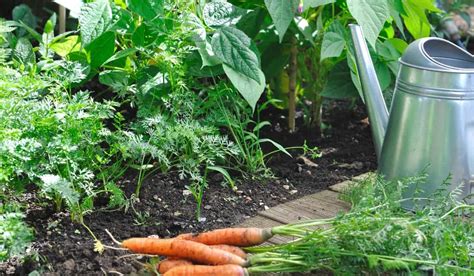
For any homesteader, the soil is the heart of the garden. Healthy, living soil is not just dirt; it’s a dynamic ecosystem teeming with microorganisms, essential nutrients, and organic matter that directly impacts the vitality and productivity of your plants. Organically enriching your homestead garden soil is the most sustainable and effective way to ensure bigger, healthier yields year after year, reducing the need for synthetic inputs and fostering a thriving natural environment.
Understanding Your Soil’s Needs
Before you begin enriching, it’s crucial to understand your current soil. Is it sandy, clayey, or loamy? Does it drain well, or does water pool? A simple soil test can reveal its pH level and nutrient deficiencies, providing a roadmap for your organic amendments. Observing your plants and how they grow can also offer valuable clues about what your soil might be lacking.

The Power of Composting: Black Gold for Your Garden
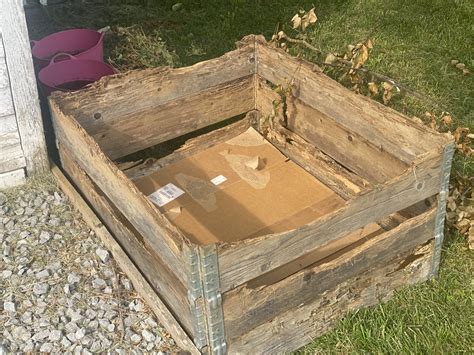
Compost is arguably the most valuable organic amendment you can add to your garden. It improves soil structure, enhances water retention in sandy soils, improves drainage in clay soils, and provides a slow-release source of a wide array of nutrients. Starting a compost pile is simple: layer “greens” (nitrogen-rich materials like food scraps, grass clippings) with “browns” (carbon-rich materials like dry leaves, straw, wood chips). Turn your pile regularly to aerate it and speed up decomposition. The resulting dark, crumbly material, often called “black gold,” will transform your garden beds.
Beyond traditional composting, consider vermicomposting (worm composting) for kitchen scraps. Worm castings are an incredibly nutrient-dense amendment that can significantly boost plant growth and soil health.
Leveraging Cover Crops and Green Manures
Don’t leave your garden soil bare, especially during off-seasons. Cover crops, also known as green manures, are plants grown specifically to benefit the soil rather than for harvest. They protect the soil from erosion, suppress weeds, add organic matter when tilled under, and some (like legumes) even fix nitrogen from the atmosphere into the soil. Popular choices include clover, vetch, rye, and buckwheat. Simply plant them after your main harvest, let them grow, and then cut them down and incorporate them into the soil a few weeks before your next planting season.

The Art of Mulching for Soil Health
Mulching is a simple yet profoundly effective organic practice. Applying a layer of organic material—such as straw, wood chips, shredded leaves, or grass clippings—over your garden beds offers numerous benefits. Mulch conserves soil moisture by reducing evaporation, suppresses weeds, regulates soil temperature, and as it breaks down, it slowly adds organic matter and nutrients to the soil. A thick layer of mulch (2-4 inches) can drastically reduce your watering needs and labor spent weeding, all while feeding your soil from the top down.

Natural Soil Amendments and Boosters
While compost and cover crops form the backbone of organic soil enrichment, several other natural amendments can provide targeted boosts:
- Aged Manure: From chickens, horses, or cows, aged manure is rich in nutrients and organic matter. Always ensure it’s well-composted to avoid burning plants or introducing weed seeds.
- Bone Meal: A good source of phosphorus and calcium, beneficial for flowering and fruiting plants.
- Blood Meal: Provides a quick boost of nitrogen, ideal for leafy greens.
- Wood Ash: If derived from untreated wood, it can add potassium and calcium and raise soil pH. Use sparingly.
- Alfalfa Meal: A balanced slow-release fertilizer that also feeds beneficial microbes.
- Seaweed or Kelp Meal: Rich in micronutrients and growth hormones, excellent for overall plant health.
- Rock Dust (Azomite, Glacial Rock Dust): Adds a broad spectrum of trace minerals often depleted in garden soils.

Long-Term Soil Building Strategies
Organic soil enrichment is not a one-time event but an ongoing process. Focus on creating a living, resilient soil ecosystem:
- Crop Rotation: Rotate your crops to prevent nutrient depletion and break pest and disease cycles.
- No-Till/Minimum-Till: Disturbing the soil as little as possible helps preserve its structure, fungal networks, and microbial life.
- Diversity: Plant a variety of crops to support a diverse range of soil microbes and beneficial insects.
- Observation: Continuously observe your soil and plants. They will tell you what they need.
By consistently applying these organic practices, your homestead garden soil will become a self-sustaining powerhouse, delivering healthier, more abundant harvests for years to come. It’s an investment in your garden’s future and the health of your homestead ecosystem.

