How to organically improve heavy clay garden soil?
Taming the Tough Texture: Why Clay Soil is a Challenge
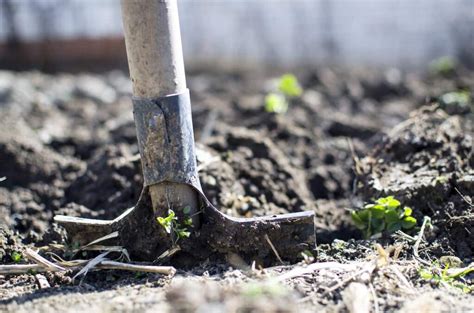
Heavy clay soil can be both a blessing and a curse for gardeners. While renowned for its fertility and ability to retain nutrients, its dense, fine particles create challenges such as poor drainage, compaction, slow warming in spring, and difficulty for roots to penetrate. However, with the right organic strategies, you can transform this stubborn earth into a thriving, productive garden bed.
The Foundation: Enriching Clay Soil with Organic Matter
The single most effective way to improve heavy clay soil is to consistently incorporate generous amounts of organic matter. Organic materials act like tiny sponges and wedges, breaking apart the clay particles, improving aeration, enhancing drainage, and fostering beneficial microbial life. Over time, this transforms the soil’s structure from dense clumps to a crumbly, well-draining loam.
Compost: The Gold Standard
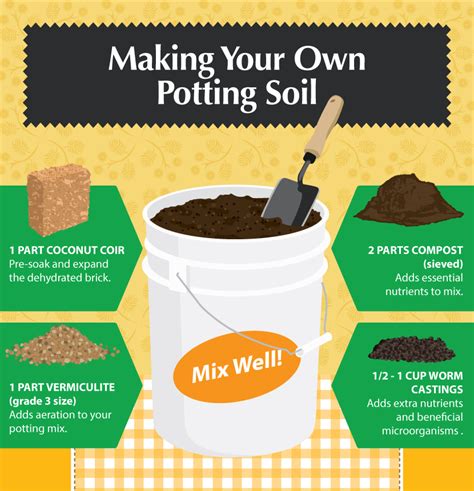
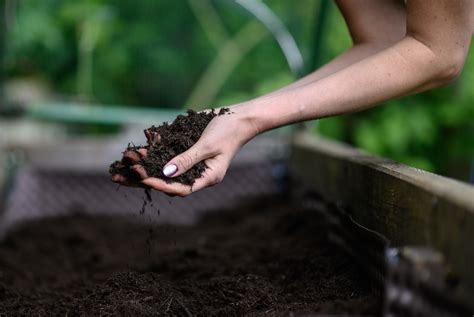
Regularly adding well-rotted compost is paramount. Aim for a 2-4 inch layer annually, especially in autumn or early spring. You can gently fork it into the top 6-8 inches of soil or simply spread it as a top dressing in a no-dig system. The consistent application of compost not only improves structure but also provides a slow-release source of nutrients.
Aged Manure and Leaf Mold
Well-aged animal manure (from cows, horses, chickens) is another excellent source of organic matter, rich in nutrients. Always ensure it’s fully composted to avoid burning plants or introducing weed seeds. Similarly, leaf mold, created from decomposed leaves, is superb for improving soil structure and water retention without adding excessive nutrients.
Beyond Compost: Other Organic Helpers
Gypsum (Calcium Sulfate)
While not strictly organic matter, gypsum can sometimes be a useful amendment for sodic clay soils (soils high in sodium). It works by helping clay particles to “flocculate” or clump together, which improves drainage. However, it’s not a universal solution; a soil test is recommended to determine if sodium is an issue before applying gypsum, as it won’t benefit all clay soils.
Cover Crops: Nature’s Plows and Fertilizers
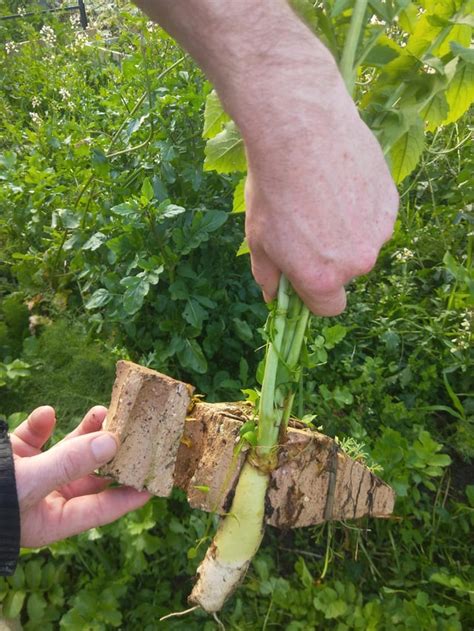
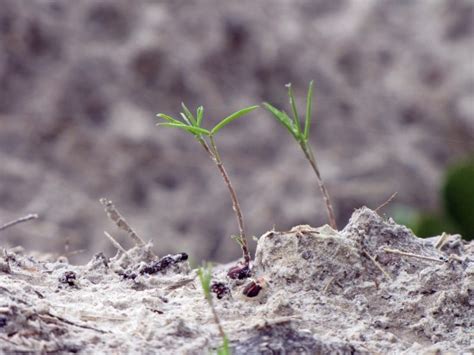
Planting cover crops (also known as green manures) like clover, vetch, oats, or rye during the off-season can dramatically improve clay soil. Their deep root systems naturally break up compacted layers, and when tilled under or “chopped and dropped” before flowering, they return a significant amount of organic matter to the soil, boosting fertility and structure.
Smart Gardening Practices for Clay Soil
Raised Beds: An Instant Fix
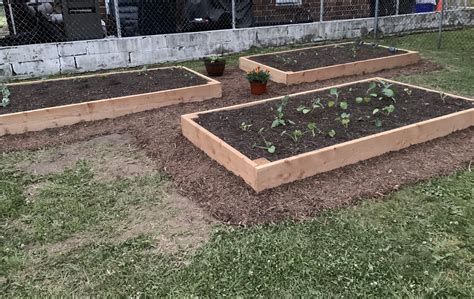
If you’re eager to start planting immediately, constructing raised beds filled with a good quality soil mix (a blend of topsoil, compost, and sand) is an excellent way to bypass the immediate challenges of heavy clay. This provides an optimal growing environment while you work on improving the native soil around them.
Minimize Compaction and Proper Tilling
Avoid working or walking on clay soil when it’s wet, as this leads to severe compaction. Only till or dig when the soil is dry enough to crumble easily in your hand. Embrace no-dig or minimal-till gardening practices to preserve the beneficial soil structure you’re working to create.
Mulching: A Protective Blanket
Apply a thick layer of organic mulch (wood chips, straw, shredded leaves) over your garden beds. Mulch suppresses weeds, conserves moisture, moderates soil temperature, and slowly breaks down to add more organic matter to the topsoil, further enhancing structure and feeding soil organisms.
Conclusion
Improving heavy clay garden soil is a gradual process that requires patience and consistent effort, but the rewards are well worth it. By diligently incorporating organic matter, utilizing cover crops, and adopting smart gardening techniques, you can transform your dense clay into a rich, friable soil that supports healthy, vibrant plants for years to come.