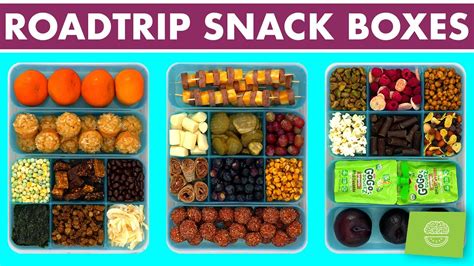
How to pack and prep real food for long country road trips without a kitchen?
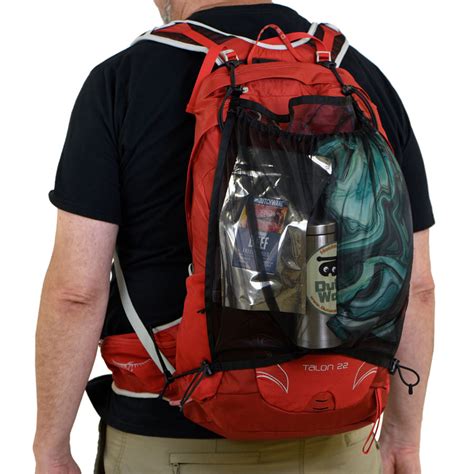
Embrace Healthy Eating on the Open Road
Long country road trips are an invitation to explore, but they often come with the challenge of maintaining healthy eating habits. Without the convenience of a full kitchen, many travelers resort to fast food or highly processed snacks. However, with a bit of planning and smart preparation, you can enjoy delicious, real food that nourishes you throughout your journey, keeping your energy levels up and your wallet happy.
The Cornerstone: Smart Planning and Meal Design
The secret to successful road trip eating begins long before you hit the road. Think about the types of meals and snacks you enjoy that require minimal to no cooking on-site. Focus on ingredients that are robust, versatile, and keep well. Consider themes like:
- No-Cook Meals: Salads, wraps, sandwiches, cheese and cracker platters.
- Assembly-Only Meals: Pre-cooked grains with canned beans/veg, overnight oats.
- Hardy Snacks: Fruits, vegetables, nuts, seeds, hard-boiled eggs.
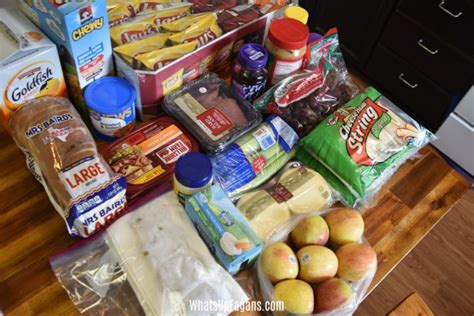
Create a detailed meal plan for each day and a corresponding shopping list. This prevents impulse buys of less healthy options and ensures you have all necessary ingredients.
Essential Gear for the Mobile Chef
Your equipment choices are crucial for keeping food fresh and making preparation easy. Invest in quality items that are reliable and durable:
- High-Quality Coolers: At least one, but ideally two – one for drinks and frequently accessed snacks, and another for more perishable meal components that stay sealed.
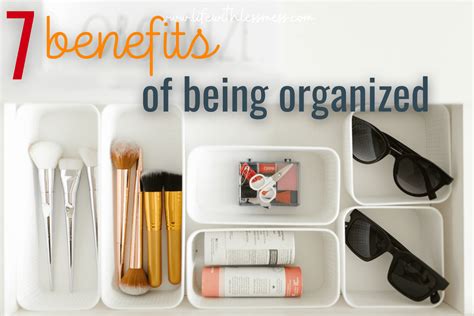
- Airtight, Leak-Proof Containers: For pre-chopped ingredients, cooked meals, and dressings. Glass or BPA-free plastic is ideal.
- Insulated Water Bottles/Jug: Stay hydrated without constantly buying plastic bottles.
- Basic Utensils: A sharp knife (with sheath), cutting board, sporks, serving spoons, can opener, bottle opener.
- Cleaning Supplies: Biodegradable soap, sponges, paper towels, trash bags.
- Optional: A small portable gas stove and cooking pot can expand your menu to include simple hot meals like pasta, soup, or oatmeal if you have safe places to stop and cook.

Prepping Like a Pro: Maximizing Freshness and Minimizing On-Road Effort
The more you prepare at home, the less work you’ll have on the road. Dedicate a few hours before your trip to extensive food prep:
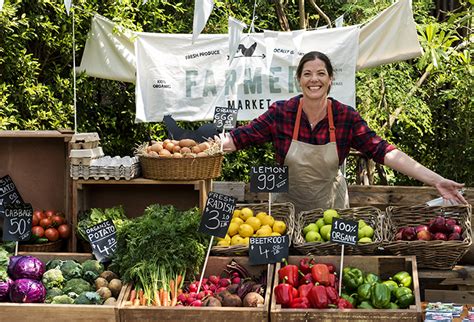
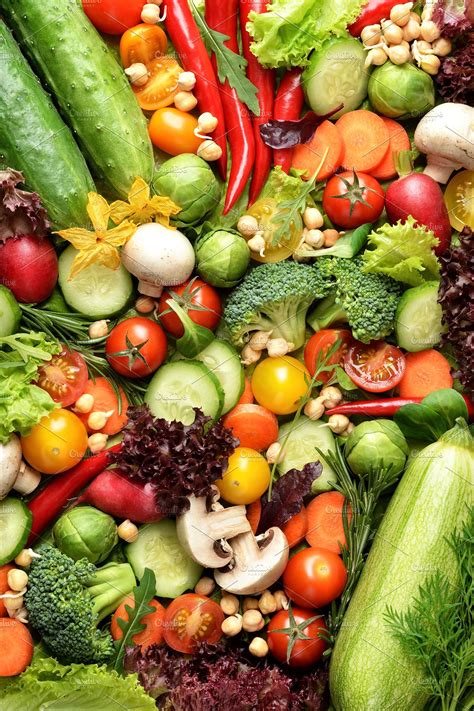
- Wash and Chop: All fruits and vegetables should be washed, chopped, and stored in separate containers. Think bell peppers, carrots, celery, cucumbers, cherry tomatoes, berries, melon.
- Cook Grains and Proteins: Cook a batch of quinoa, rice, or pasta. Hard-boil a dozen eggs. Cook chicken breast or lentils for quick additions to salads and wraps.
- Make Dressings and Dips: Prepare your own vinaigrettes, hummus, or nut butter dips and store them in small, leak-proof containers.
- Portion Snacks: Divide nuts, trail mix, dried fruit, and pretzels into individual servings.
- Assemble Base Meals: For salads, layer the dressing at the bottom, then hardier vegetables, followed by proteins, and finally greens on top to prevent sogginess.
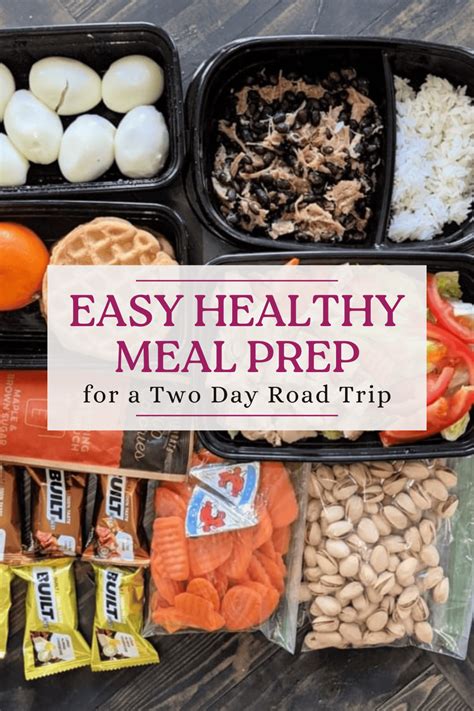
Smart Food Choices for Longevity and Nutrition
Choose foods that hold up well without refrigeration for short periods or are resilient in a cooler:
- Fruits: Apples, oranges, bananas (eat early), grapes, berries (in sturdy containers).
- Vegetables: Carrots, bell peppers, celery, cherry tomatoes, cucumbers, snap peas.
- Proteins: Hard-boiled eggs, cheese sticks, smoked salmon (sealed), jerky, canned tuna/chicken (for later use), nuts, seeds.
- Grains/Carbs: Whole-grain bread/wraps, crackers, pre-cooked grains, oatmeal packets.
- Healthy Fats: Avocados (pack unripe ones), olives, nut butters.
Packing Your Vehicle for Optimal Access and Freshness
How you pack your car can significantly impact your road trip dining experience. Organize your food and gear logically:
- Cooler Strategy: Pack items you’ll eat first or access frequently on top. Place ice packs or frozen water bottles strategically throughout. Freeze some of your meal components (like cooked pasta sauce or chili) to act as extra ice.
- Dry Goods Box: Keep non-perishables like bread, crackers, utensils, and cleaning supplies in an easily accessible, sturdy container.
- Snack Bag: A small, easily reachable bag with pre-portioned snacks for immediate access while driving.
- Trash Management: Keep a dedicated trash bag (or two) readily available and empty it at every opportunity.
By investing time in planning and preparation, you can transform your country road trip into a culinary adventure, enjoying wholesome, delicious meals far from any kitchen. Happy travels and happy eating!