How to pack healthy, homemade real food for a long country road trip?

Long country road trips are an adventure for the soul, offering scenic views and a chance to disconnect. However, they often present a challenge for maintaining healthy eating habits, with tempting but often unhealthy fast-food options lining the highways. Preparing your own healthy, homemade “real food” not only keeps you feeling great but also saves money and enhances the overall travel experience. This guide will walk you through the essential steps to pack nutritious, delicious meals and snacks for your next extended journey.
Why Pack Homemade Food for Your Road Trip?
Opting for homemade provisions over convenience store fare offers numerous benefits. You have complete control over ingredients, avoiding excessive sugar, unhealthy fats, and artificial additives. This means sustained energy levels, better digestion, and a more pleasant trip without the “food coma” or stomach upset often associated with greasy roadside meals. Plus, the joy of a planned picnic amidst a beautiful landscape far surpasses a hurried meal in a parking lot.
Planning Your Real Food Menu
The key to successful road trip eating is thoughtful planning. Start by considering the duration of your trip, the number of people, and any dietary restrictions or preferences. Aim for a balance of proteins, complex carbohydrates, and healthy fats to keep everyone satisfied and energized.
- Breakfast Ideas: Overnight oats with fruit and nuts, pre-made breakfast burritos (can be eaten cold or quickly warmed), hard-boiled eggs, whole-grain muffins.
- Lunch/Dinner Staples: Hearty sandwiches or wraps on whole-grain bread (e.g., turkey and avocado, hummus and veggie), pasta salads with lean protein, grain bowls, homemade chicken or bean burritos.
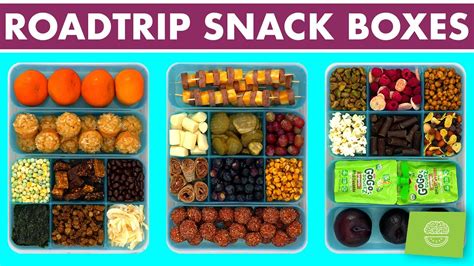
- Snack Sensations: Fresh fruit (apples, bananas, oranges, grapes), vegetable sticks with hummus, nuts and seeds, homemade granola bars, air-popped popcorn, dried fruit (in moderation).
Smart Food Choices for On-the-Go Eating
When selecting specific items, prioritize foods that are non-perishable or hold up well without refrigeration for short periods, and those that are easy to eat in a car without making a mess. Avoid anything overly saucy or crumbly.
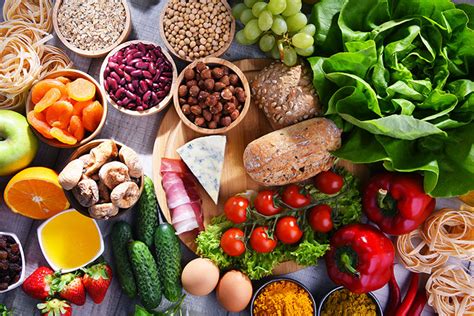
- Fruits & Veggies: Choose sturdier options like apples, carrots, bell peppers, and snap peas. Berries are great but can get squished easily.
- Proteins: Hard-boiled eggs, cheese sticks, roasted chickpeas, jerky (check ingredients for added sugars/nitrates), pre-cooked chicken breast slices.
- Grains & Carbs: Whole-wheat crackers, rice cakes, sturdy bread for sandwiches, pre-cooked quinoa salads.
Preparation and Packaging Strategies
Efficient preparation and smart packaging are crucial for a stress-free experience.
- Wash and Chop Everything Ahead: Pre-cut all your fruits and vegetables. Wash and dry salad greens.
- Portion Control: Divide snacks and meals into individual portions using reusable containers or bags. This prevents overeating and makes distribution easy.
- Sturdy Containers: Invest in high-quality, leak-proof containers. Glass containers are excellent for reheating (if you have access to a microwave) and don’t leach chemicals, but can be heavy. BPA-free plastic is lighter.
- Wrap Smart: For sandwiches and wraps, use parchment paper or beeswax wraps to keep them fresh and prevent sogginess.
- Cooler Essentials: A good cooler is your best friend. Pack it strategically.

Keeping It Fresh and Safe on the Road
Food safety is paramount, especially on a long trip.
- Ice Packs Galore: Use multiple reusable ice packs or frozen water bottles to keep your cooler contents consistently cold. Layer them on the bottom and top.
- Separate Wet and Dry: Keep foods that could leak or sweat (like fruit) separate from drier items (like bread). Use sealed bags within your containers if necessary.
- Accessibility: Pack items you’ll want to access first (snacks, drinks) on top. Meals can be packed towards the bottom. Consider a separate small cooler or insulated bag for daily snacks so you don’t have to dig into the main cooler constantly.
- Replenish Ice: If your trip is very long, plan stops where you can buy more ice or swap out frozen water bottles.
- Hand Hygiene: Don’t forget hand sanitizer or wipes for eating on the go.
Enjoying Your Homemade Meals on the Go
Eating healthy on the road shouldn’t feel like a chore. Embrace the opportunity to discover picturesque picnic spots. Pull over at a scenic overlook, a quiet park, or even a rest stop with picnic tables. Having your own delicious, healthy food makes these impromptu breaks even more enjoyable. Don’t forget reusable plates, cutlery, and napkins, along with a trash bag for easy cleanup.

Conclusion
With a little planning and preparation, packing healthy, homemade real food for your long country road trip is entirely achievable. It transforms your travel experience, ensuring you stay energized, well-nourished, and ready to enjoy every mile of your adventure without relying on unhealthy convenience foods. So, stock your cooler, hit the open road, and savor the journey – and your delicious, wholesome meals!