How to pack homemade, real food for a long country road trip?
Embarking on a long country road trip is an adventure filled with scenic views, unexpected detours, and the open road. While fast food stops might seem convenient, bringing your own homemade, real food can significantly enhance your journey, offering healthier options, saving money, and adding a touch of comfort to your travels. This guide will walk you through the essentials of planning, preparing, and packing delicious, nourishing meals and snacks that will keep you energized from start to finish.
Why Opt for Homemade Real Food on the Road?
The allure of a roadside diner or drive-thru is understandable, especially when hunger strikes miles from civilization. However, homemade food provides undeniable benefits. It allows you to control ingredients, avoid unhealthy additives, accommodate dietary restrictions, and often tastes far better than its pre-packaged counterparts. Plus, the ritual of packing your own provisions adds an element of excitement and self-sufficiency to your trip.
Planning Your Road Trip Menu
Successful road trip eating starts with thoughtful planning. Consider the length of your trip, the availability of refrigeration, and your group’s preferences. Focus on foods that are robust, easy to eat on the go, and don’t require extensive preparation once packed.
Choosing the Right Foods
- Hearty Sandwiches and Wraps: Use whole-grain bread or tortillas, lean proteins like turkey, ham, or roasted chicken, and plenty of veggies. Pack fillings separately if making them ahead to prevent sogginess.
- Salads in Jars: Layer dressings at the bottom, followed by hard vegetables (carrots, cucumbers), grains (quinoa, pasta), protein, and leafy greens on top. Shake when ready to eat.
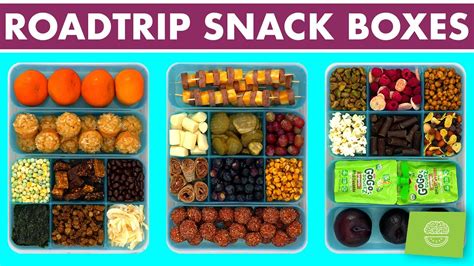
- Fruit and Vegetable Sticks: Apples, oranges, grapes, berries, carrots, celery, and bell peppers are excellent, hydrating options. Pre-cut them for easy snacking.
- Boiled Eggs: A fantastic source of protein and very portable.
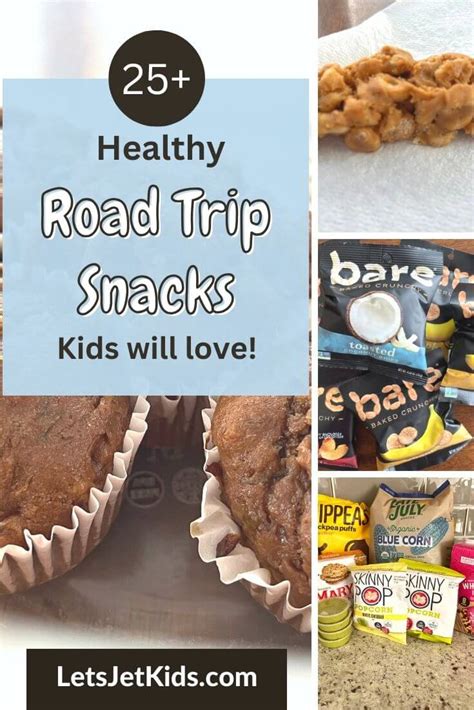
- Homemade Granola Bars or Energy Bites: Perfect for a quick energy boost.
- Nuts and Seeds: Almonds, walnuts, cashews, pumpkin seeds – great for sustained energy.
- Cheese Sticks or Cubes: Pair well with crackers or fruit.
- Dips: Hummus, guacamole (pack individually sealed portions to prevent browning), or yogurt dips with pita bread or veggie sticks.
Portioning and Preparation
Prepare everything you can in advance. Chop vegetables, pre-cook meats, and mix sauces. Portion out snacks into individual containers or reusable bags to make them easy to grab and to control consumption. Think single-serving sizes to minimize waste and mess.
Smart Packing Strategies
The key to keeping your food fresh and accessible is intelligent packing. Invest in quality gear and organize methodically.
The Cooler is Your Best Friend
A good quality cooler is paramount. Opt for one with excellent insulation. Use a combination of ice packs, frozen water bottles (which become drinking water later), and even blocks of ice for longer trips. Pack items strategically: raw meats and dairy at the bottom, wrapped well, with less sensitive items on top. Keep the cooler out of direct sunlight in the car.
Keeping Things Organized
- Stackable Containers: Airtight, leak-proof, and stackable containers are invaluable for maximizing space and preventing spills.
- Separate Bags for Snacks: Use mesh bags or small reusable cloth bags for non-refrigerated snacks like nuts, fruit, and granola bars.
- “First-Aid” Food Kit: Keep a small, easily accessible bag with frequently needed items like napkins, wet wipes, small trash bags, and maybe some emergency non-perishable snacks.
Essential Gear for Food on the Go
Beyond the cooler, a few other items will make your road trip dining experience much smoother:
- Reusable Water Bottles: Stay hydrated! Fill them up at every stop.
- Reusable Utensils and Plates: Say no to single-use plastic.
- Cutting Board and Small Knife: For last-minute slicing of fruit or cheese.
- Paper Towels/Napkins and Wet Wipes: Indispensable for clean-up.
- Trash Bags: Pack several to keep your car tidy.
- Thermos: For hot coffee, tea, or even soup.

Food Safety and Waste Management
Food safety is crucial, especially on long trips. Keep perishable foods at safe temperatures (below 40°F / 4°C). If you’re unsure if something has been out too long, it’s better to be safe than sorry and discard it. Plan for disposal of food waste; bring several trash bags and empty them whenever you stop at a gas station or rest area. Compost fruit peels and other organic waste if you have a system for it, or simply dispose of it responsibly.
Enjoying Your Culinary Journey
Packing homemade food isn’t just about nutrition; it’s about enhancing the overall experience. Imagine pulling over at a scenic overlook, opening your perfectly packed cooler, and enjoying a gourmet sandwich or a fresh fruit salad amidst breathtaking views. These moments become cherished memories, a testament to the joy of slow travel and thoughtful preparation.
With a little planning and the right tools, your country road trip can be a culinary adventure, nourishing both your body and your sense of wanderlust. Happy travels, and bon appétit on the open road!