How to pack homemade snacks & meals for a long country journey?
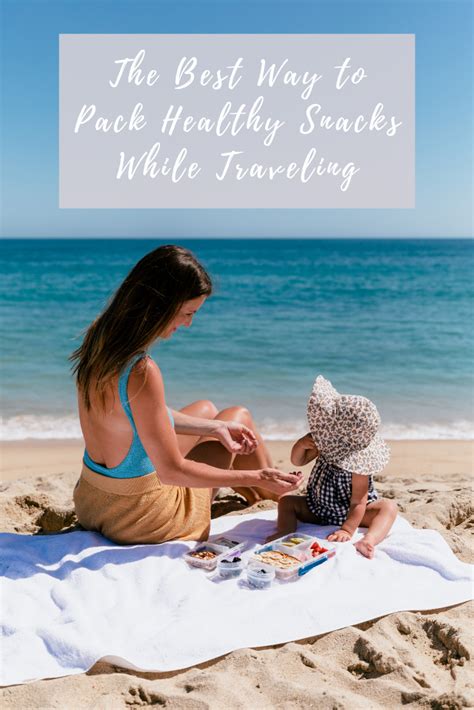
Embarking on a long country journey is an exciting prospect, promising scenic views, open roads, and memorable experiences. To truly enhance the adventure, fueling your body with delicious and nutritious homemade snacks and meals is key. Not only does it save money and allow for healthier choices, but it also adds a personal touch to your travel experience. But how do you keep everything fresh, safe, and easily accessible?
This guide will walk you through the essential steps to prepare and pack your culinary companions for the long haul, ensuring every bite is as enjoyable as the journey itself.
The Advantages of Homemade Road Trip Food
Opting for homemade provisions over roadside fast food offers numerous benefits. You have complete control over ingredients, allowing you to cater to dietary preferences, allergies, and nutritional needs. It’s often more economical, significantly reducing travel expenses, and can be a more sustainable choice, minimizing single-use plastic waste.
Planning Your Menu: What Travels Well?
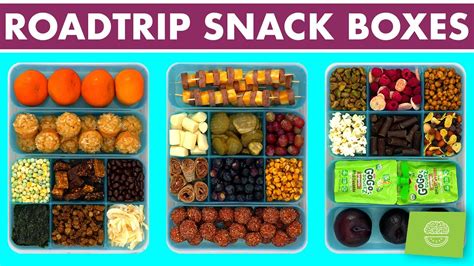
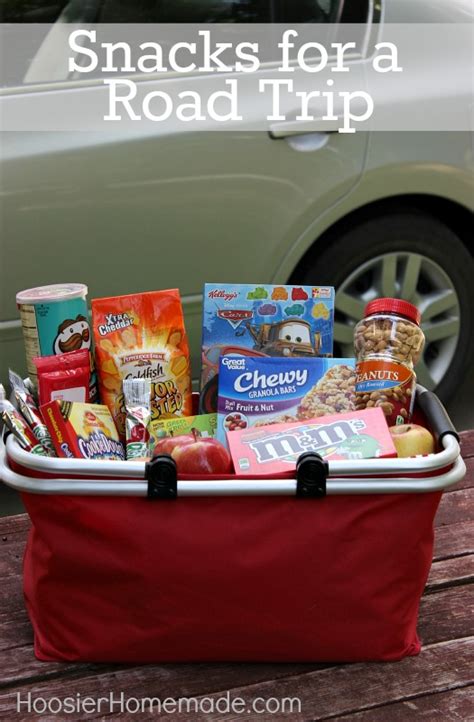
The success of your travel food depends heavily on your menu choices. Focus on items that are non-perishable or can withstand temperature fluctuations for several hours. Think hearty sandwiches on robust bread, wraps, pasta salads, roasted vegetables, hard-boiled eggs, fruit (apples, oranges, grapes), nuts, seeds, homemade granola bars, and energy bites.
Avoid anything that requires refrigeration for extended periods without proper cooling, or items that are messy, crumbly, or have strong odors that might linger in your vehicle. Consider foods that are easy to eat with one hand while driving or during a quick stop.
Essential Packing Gear for Freshness
The right equipment is crucial for keeping your food fresh and safe. Here’s what you’ll need:
- High-Quality Cooler: A sturdy, well-insulated cooler is your best friend. Pre-chill it with ice packs before loading.
- Ice Packs/Frozen Water Bottles: These are more efficient and less messy than loose ice. Frozen water bottles double as drinking water as they melt.
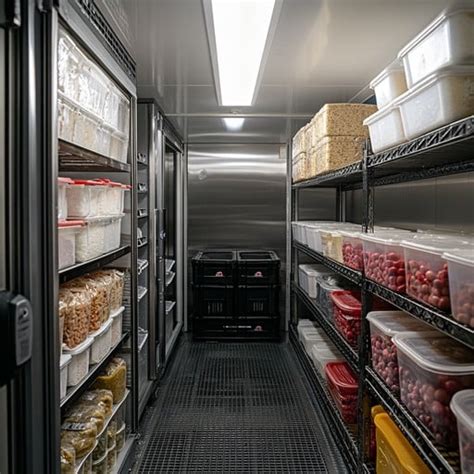
- Airtight Containers: Essential for preventing leaks, keeping food fresh, and protecting it from crushing. Opt for reusable plastic or glass containers.
- Insulated Lunch Bags: For smaller, individual portions that you might want to keep separate from the main cooler.
- Reusable Cutlery and Napkins: Reduce waste and always have utensils handy.
- Small Trash Bag: Keep your car tidy by having a designated spot for wrappers and food scraps.

Food Safety First: Keeping Perishables Safe
Foodborne illness is the last thing you want on a road trip. Adhere to these safety guidelines:
- Keep Cold Foods Cold: Perishable foods should be kept at or below 40°F (4°C). Use plenty of ice packs or frozen items.
- Keep Hot Foods Hot: If you’re bringing hot food (e.g., in a thermos), ensure it stays above 140°F (60°C). Consume hot foods within a few hours.
- Pack Smartly: Raw meats (if any, though generally discouraged for long trips) should be sealed separately to prevent cross-contamination.
- Wash Hands: Always wash your hands or use hand sanitizer before handling food.
- Don’t Re-use Containers: Once food is consumed, don’t put fresh food into a container that held raw or spoiled items without proper cleaning.
Smart Packing Strategies for Easy Access
Efficient packing isn’t just about freshness; it’s also about convenience. Organize your cooler and bags so that frequently accessed items are on top. Pack individual meal portions together so they can be easily grabbed for a stop. Group snacks, drinks, and main meals.
For long journeys, consider packing a separate small bag with snacks and drinks for the first few hours of driving, so you don’t have to dig into the main cooler immediately. Label containers if you have multiple options, especially for sandwiches or specific dietary needs.
Hydration is Key
Don’t forget the drinks! Beyond frozen water bottles doubling as ice packs, carry plenty of regular water. Reusable water bottles are excellent. Consider bringing homemade iced tea, infused water, or even a small thermos of coffee for an early start. Avoid sugary sodas that can lead to energy crashes.
Eco-Friendly Travel and Cleanup
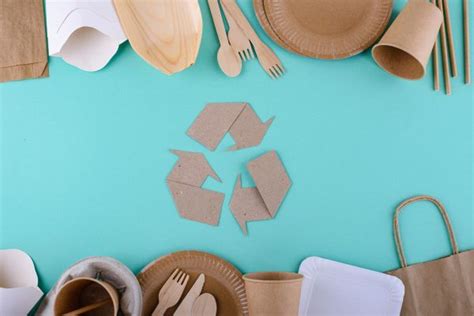
Minimizing your environmental footprint is part of responsible travel. Opt for reusable containers, cutlery, and napkins. Pack a reusable shopping bag for any unexpected purchases. When you stop, dispose of waste properly in designated bins. Consider packing a small, resealable bag for food scraps like apple cores or banana peels if you won’t find a compost bin immediately.
Conclusion
Packing homemade snacks and meals for a long country journey transforms a simple drive into a gourmet adventure. With careful planning, the right equipment, and a focus on food safety, you can enjoy delicious, healthy, and budget-friendly sustenance throughout your travels. So, get creative in the kitchen, pack smart, and hit the road ready to savor every moment and every bite!