




How to pack & keep homemade provisions fresh for long country road trips?
Embarking on a long country road trip offers the freedom of the open road, picturesque landscapes, and the joy of discovery. While roadside diners have their charm, bringing your own homemade provisions can elevate the experience, offering healthier, tastier, and more economical options. The key, however, lies in proper packing and preservation to ensure your culinary delights remain fresh and safe for the duration of your journey.
Planning Your Road Trip Menu
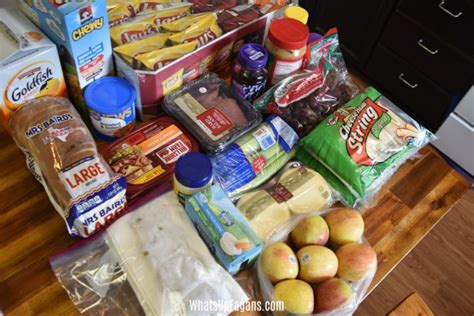
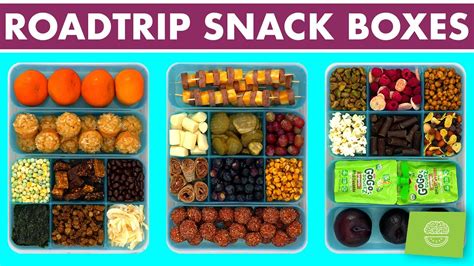
The first step to fresh provisions is selecting the right foods. Opt for items that travel well and are less prone to spoilage. Think about meals that can be eaten cold or require minimal reheating, such as sandwiches, wraps, salads with dressing on the side, hard-boiled eggs, fruit, and sturdy baked goods.
- Sturdy Fruits & Vegetables: Apples, oranges, grapes, carrots, bell peppers, cucumbers (pack separately to avoid bruising).
- Protein-Rich Snacks: Hard-boiled eggs, cheese sticks, nuts, dried fruit, jerky.
- Make-Ahead Meals: Pasta salads (vinegar-based dressings last longer), lentil salads, pre-portioned cooked chicken or tofu, burritos.
- Avoid: Anything that melts easily, very perishable dairy (unless consumed quickly), creamy sauces that can spoil, and strong-smelling foods.

The Art of Smart Packing
Effective packing is crucial for maintaining freshness and maximizing space. A well-organized cooler and clever containers are your best friends.
Choosing the Right Cooler & Ice Packs
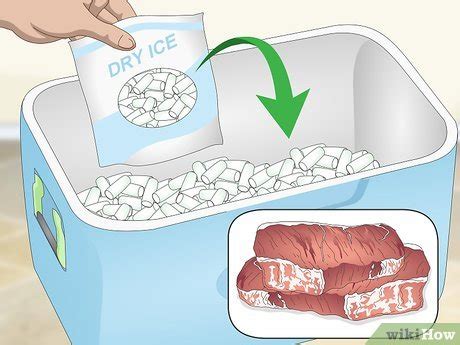
Invest in a high-quality cooler with good insulation. Rotomolded coolers offer superior performance for multi-day trips. For shorter journeys, a well-insulated soft cooler might suffice. Use a combination of ice and reusable ice packs. Gel packs are less messy, while frozen water bottles serve a dual purpose (cold water and ice). Freeze some of your provisions (like water bottles, juice boxes, or even pre-cooked meals) to act as extra ice blocks.
Container Selection & Organization
Airtight, leak-proof containers are non-negotiable. Glass containers are excellent for maintaining freshness and are easy to clean, but can be heavy and fragile. BPA-free plastic containers are a lighter alternative. Separate ingredients where possible; for instance, pack salad dressing in a small container to add just before eating, preventing soggy greens. Label everything clearly.

Maintaining Freshness On the Road
Once you’re cruising, ongoing management of your provisions is key to keeping them fresh and safe.
Pre-Cooling & Layering
Always pre-chill your cooler before packing. Fill it with ice or ice packs for several hours, or even overnight, then empty and refill with fresh ice just before departure. Pack your cooler in layers: items that need to stay coldest (raw meats, dairy) at the bottom, surrounded by ice. Less perishable items can go on top. Fill any empty spaces with crumpled newspaper or towels to minimize air pockets and maintain consistent temperature.
Strategic Cooler Access
Avoid opening your cooler more than necessary. Each time it opens, cold air escapes. If you have multiple coolers, designate one for drinks and frequently accessed snacks, and another for main meals and more perishable items. This minimizes disturbance to the core food supply.
Food Safety & Hygiene Tips
Beyond freshness, food safety is paramount, especially when miles from the nearest kitchen.
- Temperature Control: Keep perishable foods below 40°F (4°C) to prevent bacterial growth. Monitor ice levels and replenish as needed.
- Separate Raw & Cooked: Use separate containers or bags for raw meats to prevent cross-contamination.
- Hand Hygiene: Always carry hand sanitizer, wet wipes, and a small bar of soap for washing hands before handling food.
- Utensils & Cleanup: Bring reusable cutlery, plates, and a small bag for waste. Pack a small bottle of dish soap, a sponge, and a dish towel for quick cleanups.
Repurposing & Replenishing
Even with the best planning, some items might not last the entire trip. Be prepared to adapt and replenish.
- Local Stores: Utilize local grocery stores for fresh produce, additional ice, or staple items.
- Leftover Strategy: Repurpose leftovers creatively. Yesterday’s roasted chicken can become today’s sandwich filling.
- Waste Management: Dispose of food waste properly and promptly to avoid odors and attractants.
With careful planning, smart packing, and diligent upkeep, your homemade provisions will be a delicious highlight of your long country road trip, keeping you fueled and happy as you explore new horizons.