How to perfectly preserve garden tomatoes for winter sauces and stews?
There’s nothing quite like the taste of a sun-ripened tomato straight from the garden. While their season is fleeting, the joy doesn’t have to be. With a few simple techniques, you can capture that peak summer flavor and enjoy it in comforting sauces and hearty stews all winter long. Preserving your garden tomatoes is not just about extending their shelf life; it’s about extending the warmth and flavor of your harvest.
Why Preserve Your Garden Tomatoes?
Beyond the simple pleasure of homemade goodness, preserving your own tomatoes offers numerous benefits. You have complete control over the ingredients, avoiding artificial preservatives and excessive sodium often found in store-bought products. It’s also incredibly cost-effective, especially if you have an abundant garden harvest, and provides a deeper, more authentic flavor that canned alternatives simply can’t match.

Selecting the Best Tomatoes for Preservation
Not all tomatoes are created equal when it comes to preserving. For sauces and stews, you’ll want varieties with thicker walls, fewer seeds, and lower water content. Paste tomatoes like Roma, San Marzano, or Amish Paste are ideal because they break down beautifully into a rich, concentrated sauce without requiring excessive cooking to reduce moisture. Always choose ripe, firm tomatoes free from blemishes or soft spots.
Essential Preparation Steps
Proper preparation is key to successful preservation. Start by thoroughly washing your tomatoes under cool running water to remove any dirt or debris. Next, core each tomato, removing the stem and the hard white core. For many preservation methods, especially canning, you’ll want to peel your tomatoes. This prevents skins from separating and toughening in your final product.
The easiest way to peel tomatoes is to blanch them. Score a small ‘X’ on the bottom of each tomato, then immerse them in boiling water for 30-60 seconds, or until the skin begins to curl at the ‘X’. Immediately transfer them to an ice bath to stop the cooking process. The skins should then slip off easily. Chop them as desired for your chosen preservation method.
Top Preservation Methods for Winter Delights
1. Freezing Tomatoes
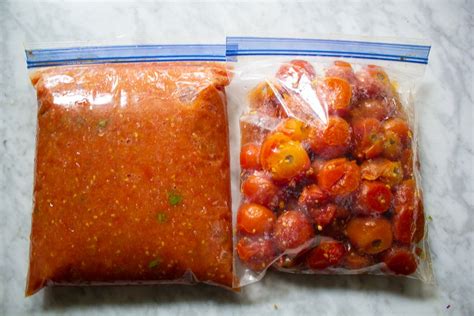
Freezing is arguably the easiest and most versatile method for preserving tomatoes. You can freeze them whole, chopped, or pureed. For whole tomatoes, simply wash, core, and place them on a baking sheet to freeze solid, then transfer to freezer-safe bags. For chopped or pureed tomatoes, flash freeze on trays before bagging to prevent clumping. Frozen tomatoes are perfect for adding directly to simmering sauces and stews.
2. Water Bath Canning
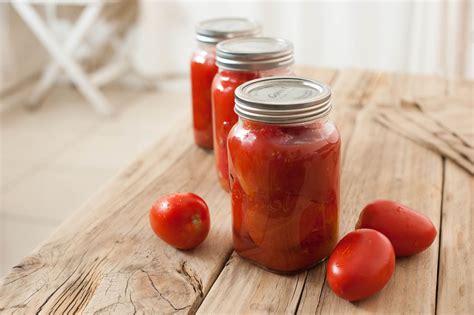
Water bath canning is excellent for high-acid foods like tomatoes (especially when a little lemon juice or citric acid is added to ensure safety). This method results in shelf-stable jars that can last for a year or more. You’ll need clean, sterilized canning jars, lids, a large stockpot with a rack, and a jar lifter. Process your prepared tomatoes (whole, crushed, or pureed) according to a tested canning recipe to ensure food safety.

3. Roasting and Freezing
Roasting tomatoes before freezing concentrates their flavor, adding a delicious depth perfect for rich sauces. Halve or quarter your tomatoes, toss with olive oil, salt, pepper, and herbs (optional), then roast in the oven at 375°F (190°C) until softened and slightly caramelized. Once cooled, pack them into freezer-safe containers or bags.
4. Drying Tomatoes
Sun-drying or dehydrating tomatoes creates intensely flavored, chewy morsels. Slice tomatoes thinly, remove seeds, and dry them in a dehydrator or a low oven until leathery but still pliable. Store in airtight containers, or pack in olive oil with herbs for an extra treat.

Tips for Maximizing Flavor and Longevity
- Add Acidity: When canning, always add a tablespoon of bottled lemon juice or 1/2 teaspoon of citric acid per quart jar of tomatoes to ensure safe acidity levels, regardless of the tomato variety.
- Season Creatively: Before freezing or canning, consider adding fresh basil, oregano, garlic, or a pinch of red pepper flakes to your tomatoes for a flavor boost.
- Proper Sealing and Storage: Ensure jars are properly sealed for canning. Store all preserved tomatoes in a cool, dark place for optimal longevity.
- Label Everything: Clearly label your jars and bags with the contents and date of preservation.
Enjoying Your Winter Bounty
Once preserved, your garden tomatoes are ready to elevate your winter cooking. Use whole frozen tomatoes in slow-cooked beef stews, add roasted tomatoes to pasta sauces, or incorporate canned crushed tomatoes into chili. The possibilities are endless, and each dish will carry the authentic taste of summer, a true testament to your gardening and preserving efforts.
Preserving garden tomatoes is a rewarding endeavor that connects you to your food source and provides delicious, healthy ingredients for months to come. Embrace the process, and savor the rich flavors of your harvest throughout the coldest months.