How to perfectly season cast iron skillets for non-stick country cooking?

A well-seasoned cast iron skillet isn’t just a cooking tool; it’s a legacy. For lovers of country cooking, where crispy fried chicken, perfectly seared steaks, and fluffy cornbread reign supreme, a truly non-stick cast iron surface is paramount. It’s a process, not a one-time event, that transforms a raw piece of iron into a culinary powerhouse. Let’s unlock the secrets to achieving that coveted slick, black finish.
Understanding the Magic of Seasoning
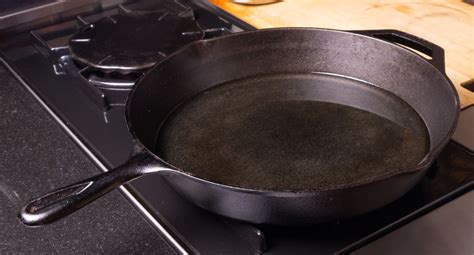
Seasoning isn’t about adding flavor (though a well-used skillet certainly develops character over time); it’s about building a layer of polymerized oil that bonds to the iron. When oil is heated past its smoke point, it breaks down and forms a hard, slick plastic-like coating that fills the microscopic pores of the iron. This layer prevents food from sticking, protects the skillet from rust, and contributes to even heat distribution.
The Essential Steps for Initial Seasoning (or Re-seasoning)
Whether you’re starting with a brand new pan or restoring a rusty heirloom, the initial seasoning process is critical.
1. Clean Thoroughly
For new skillets, wash with hot water and a stiff brush, scrubbing away any factory wax or residue. For rusty or heavily used pans, you might need to use steel wool or a metal scraper to remove all rust and old, flaky seasoning. Soap can be used at this stage, but rinse *extremely* well. The goal is a clean, bare metal surface. Dry the skillet completely, immediately placing it on a stovetop over low heat for a few minutes to ensure every drop of moisture evaporates.

2. Choose Your Oil Wisely
Opt for oils with a high smoke point and good polymerization properties. Popular choices include:
- Flaxseed Oil: Excellent for initial, durable seasoning but can be pricey.
- Grapeseed Oil: High smoke point, neutral flavor.
- Vegetable Oil / Canola Oil: Affordable, accessible, and effective.
- Crisco (Vegetable Shortening): A traditional favorite, easy to apply.
Avoid olive oil or butter for seasoning, as their low smoke points will lead to a sticky, gummy residue.
3. Apply a Super Thin Layer
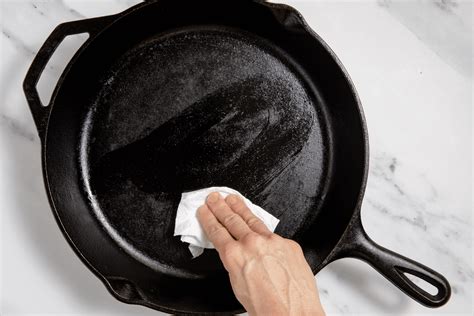
This is arguably the most crucial step. Pour a small amount (about a teaspoon) of your chosen oil into the skillet. Using a paper towel, rub the oil over every single surface of the skillet – inside, outside, handle, bottom. Then, using a fresh, dry paper towel, wipe the entire skillet down as if you’re trying to remove all the oil. You want a virtually invisible layer; too much oil will result in a sticky, uneven seasoning that can flake off.
4. Bake it On
Preheat your oven to 450-500°F (230-260°C). Place the skillet upside down on the middle rack. This prevents oil from pooling. Place a baking sheet or aluminum foil on the rack below to catch any potential drips. Bake for one hour. After one hour, turn off the oven and let the skillet cool completely inside the oven. This slow cool-down helps the seasoning set.
5. Repeat for Best Results
For a truly robust, non-stick finish, repeat the oiling and baking process 3-5 times. Each layer builds upon the last, creating a stronger, more even seasoning.

Maintaining Your Non-Stick Surface After Every Cook
The seasoning process doesn’t end in the oven. Regular cooking and proper post-cooking care are what build and maintain that legendary non-stick surface.
- Clean Promptly: As soon as the skillet is cool enough to handle, scrape out any food bits. Wash with hot water and a stiff brush or non-abrasive scrubber. Contrary to old myths, a tiny bit of mild soap is fine on a well-seasoned pan – just don’t scrub aggressively.
- Dry Immediately and Thoroughly: Water is the enemy of cast iron. After rinsing, immediately place the skillet back on the stovetop over low heat for a few minutes until all moisture has evaporated.
- Light Re-oil: While the pan is still warm (but not hot), add a few drops of your chosen seasoning oil. Rub it in with a paper towel, then wipe off any excess, just like in the initial seasoning process. Store your skillet in a dry place.
Country Cooking Tips for Your Seasoned Skillet
- Start with Fats: For the first few uses after seasoning, cook high-fat foods like bacon, fried chicken, or skillet potatoes. These add to the seasoning layer.
- Avoid Acidic Foods Initially: Highly acidic foods (tomatoes, lemon juice, wine) can strip new seasoning. Introduce them once your pan has a few dozen cooks under its belt.
- Preheat Properly: Always preheat your cast iron slowly and thoroughly before adding food for even cooking and less sticking.
- Gentle Utensils: While durable, avoid excessively scraping with metal utensils. Wood or silicone are gentler choices for maintaining the seasoning.
Troubleshooting Common Seasoning Issues
- Sticky Skillet: You used too much oil during seasoning or didn’t heat it long/hot enough. To fix, scrub off the sticky areas, clean, and re-season with a much thinner oil layer.
- Flaking Seasoning: This can happen if the oil layer was too thick or if there was rust underneath. Scrub off the flaking bits, clean thoroughly, and re-season.
With patience and consistent care, your cast iron skillet will become a beloved tool in your kitchen, delivering perfectly cooked, non-stick country meals for generations. Embrace the process, and enjoy the delicious results!