How to perfectly tenderize tough, inexpensive stew meat?
Unlock the Secret to Melt-in-Your-Mouth Stew
Tough, inexpensive cuts of beef, often labeled as “stew meat,” are fantastic for their rich flavor and cost-effectiveness. However, their high collagen and connective tissue content can make them, well, tough. The good news is that with a few smart techniques, you can transform these resilient cuts into incredibly tender, succulent morsels that practically melt in your mouth. You don’t need expensive cuts to create a five-star stew.

Understanding Your Stew Meat
Most stew meats come from working muscles of the animal, such as the chuck, round, or shank. These cuts are packed with flavor but also contain a lot of connective tissue, primarily collagen. When cooked incorrectly, collagen can make meat chewy and dry. The goal of tenderizing is to break down this collagen, converting it into gelatin, which adds moisture and a silky texture to your stew.
Effective Tenderizing Techniques
1. Mechanical Tenderization
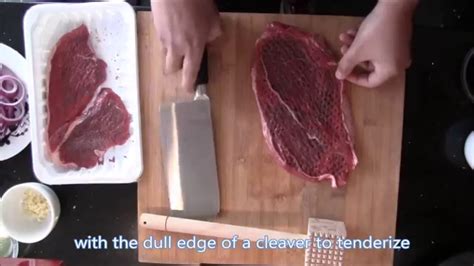
Before you even think about cooking, some physical intervention can help. Pounding the meat with a mallet physically breaks down muscle fibers and connective tissue, making it more tender. For stew meat, you can also score the surface with a sharp knife in a crosshatch pattern to help marinades penetrate deeper.
2. Acidic Marinades
Acids found in ingredients like vinegar, lemon juice, wine, or even buttermilk can work wonders. They help denature proteins and break down tough fibers. Marinate your stew meat for at least 30 minutes, but no more than a few hours, as too much acid can actually make the meat mushy or chalky.
- Vinegar (Apple Cider, Red Wine): Adds a subtle tang while tenderizing.
- Citrus Juices (Lemon, Lime): Brightens flavors and tenderizes effectively.
- Wine: Both red and white wines offer acid and depth of flavor.
- Buttermilk/Yogurt: The lactic acid in dairy gently breaks down tissues while keeping the meat moist.

3. Enzymatic Marinades
Certain fruits contain enzymes that are incredibly effective at breaking down meat fibers. Pineapple (bromelain), papaya (papain), kiwi (actinidin), and even ginger (zingibain) can be potent tenderizers. Use these with caution, as leaving meat in enzymatic marinades for too long can turn it to mush.
- Fresh Pineapple/Papaya Juice: A small amount goes a long way.
- Kiwi: Mash a small amount and add to your marinade.
- Ginger: Grated fresh ginger not only adds flavor but also has tenderizing properties.
4. Salting and Brining
Salting meat before cooking, or even a brief dry brine, can draw out moisture and then allow the meat to reabsorb seasoned liquid, leading to a more tender and flavorful result. Salt helps to break down muscle proteins and also helps the meat retain moisture during cooking.
5. The Magic of Low and Slow Cooking (Braising)
This is arguably the most crucial technique for tough cuts. Braising involves cooking meat at low temperatures for extended periods in liquid. The low, moist heat slowly breaks down the collagen in the connective tissues, converting it into gelatin. This process is what makes stew meat incredibly tender and juicy. Don’t rush it!
6. Cutting Against the Grain
After cooking, or even before if you’re portioning, always cut the meat against the grain. This shortens the muscle fibers, making each bite easier to chew and giving the illusion of greater tenderness, even if the meat isn’t perfectly fall-apart.
Combining Techniques for Ultimate Tenderness
For the best results, consider combining several methods:
- Score and Marinate: Lightly score your stew meat, then marinate it in an acidic or enzymatic mixture for a few hours.
- Sear and Braise: Sear the marinated meat to develop a flavorful crust, then transfer it to a Dutch oven or slow cooker with plenty of liquid (broth, wine, tomatoes) and aromatics.
- Slow Cook: Cook on low heat for several hours until the meat is fork-tender. This could be 2-3 hours on the stovetop, 3-4 hours in a pressure cooker, or 6-8 hours in a slow cooker.
Conclusion
You don’t need to splurge on prime cuts to enjoy incredibly tender, flavorful stew. By understanding the nature of tough, inexpensive stew meat and applying these simple yet powerful tenderizing techniques – from mechanical preparation and smart marinades to the indispensable low-and-slow cooking method – you can consistently achieve culinary perfection. Your patience and effort will be richly rewarded with a delicious, comforting meal.