How to predator-proof my backyard chicken coop effectively?

Raising backyard chickens offers numerous rewards, from fresh eggs to delightful companionship. However, this joy comes with the crucial responsibility of protecting your flock from a wide array of predators. An effectively predator-proofed coop is not just a luxury; it’s an absolute necessity to prevent heartbreaking losses. Understanding common threats and implementing robust security measures can make all the difference, providing a safe haven for your beloved birds.
Understanding Your Potential Predators
To effectively predator-proof your coop, you must first identify who you’re up against. Predators vary by region, but common culprits include raccoons, foxes, weasels, coyotes, hawks, owls, snakes, and even domestic dogs or cats. Each predator has unique methods of attack, from digging under fences to climbing over them, or even squeezing through small openings. Knowing their tactics helps you build a defense specifically tailored to foil them.
Fortifying the Coop Structure
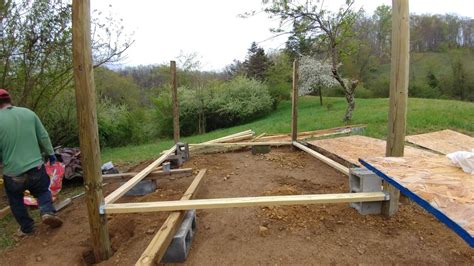
The coop itself is the first line of defense. Its construction must be solid and impenetrable. Start with the materials: standard chicken wire, while good for keeping chickens in, is often too flimsy to keep determined predators out. It can be easily chewed or torn. Instead, opt for 1/2-inch or 1/4-inch hardware cloth, which is galvanized, welded wire much stronger than chicken wire. Use it on all windows, ventilation openings, and for the main structure if constructing a wire-sided run.
- Walls and Roof: Ensure all walls are sturdy and free of gaps. Use solid wood or thick mesh. The roof should also be robust, preventing aerial attacks from hawks or owls, and thwarting climbing predators like raccoons.
- Flooring: If your coop has a dirt floor, predators can dig underneath. Install a solid wooden or concrete floor, or bury a hardware cloth apron (more on this below) around the perimeter to deter digging.
Implementing Digging and Climbing Deterrents
Many ground predators are expert diggers and climbers. Your security measures must account for these behaviors.
- Hardware Cloth Apron: Extend hardware cloth at least 12-18 inches outwards from the base of your coop and run, then bury it 6-12 inches deep. This creates an L-shaped barrier that predators encounter when attempting to dig, forcing them to give up.
- Skirting: For a less intensive solution, you can create a horizontal skirt of hardware cloth or mesh that extends outwards from the base of the run and is weighed down with rocks or bricks.
- Overhangs and Covers: For climbing predators, consider an overhang on your run or a fully enclosed roof made of hardware cloth or sturdy netting to prevent entry from above.
Securing Doors, Latches, and Openings
Weak entry points are an open invitation for predators. Raccoons, in particular, are notorious for their dexterity and ability to manipulate latches.
- Heavy-Duty Latches: Replace simple hook-and-eye latches with robust, predator-proof options. Spring-loaded bolts, carabiners, or double-locking latches are excellent choices. Ensure latches require opposing movements or significant force to open.
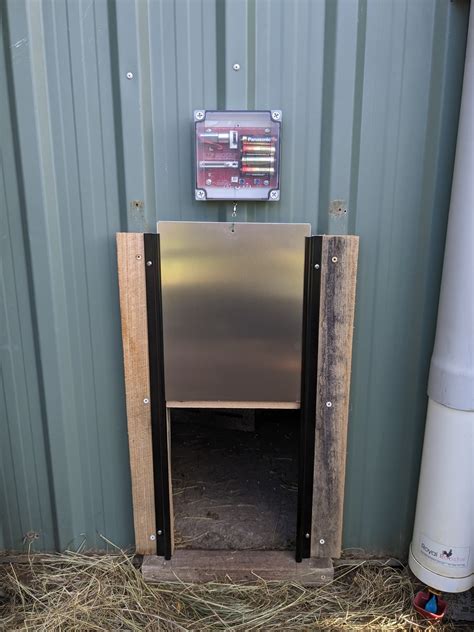
- Automated Doors: Consider an automatic coop door that opens and closes on a timer or light sensor. This ensures your chickens are securely locked in at dusk, even if you are delayed.
- Ventilation and Windows: All openings, no matter how small, must be covered with strong hardware cloth, securely fastened to the frame.
Maintaining a Clean and Discouraging Environment
A messy coop and surrounding area can inadvertently attract pests and predators.
- Remove Food Sources: Store chicken feed in airtight, predator-proof containers. Clean up any spilled feed promptly, both inside and outside the coop, as it can attract rodents, which in turn attract larger predators like snakes and foxes.
- Clear Vegetation: Trim back tall grasses and dense bushes around the coop. These can provide cover for predators to stalk your chickens undetected.
- Motion-Activated Lights: Installing motion-activated lights around your coop can startle nocturnal predators and deter them from approaching.

Regular Inspections and Ongoing Vigilance
Predator-proofing is not a one-time task. Regular inspections are vital to ensure your defenses remain intact.
- Daily Checks: Quickly inspect the perimeter for any signs of digging, chewing, or structural damage. Check latches and doors for proper function.
- Seasonal Maintenance: Periodically reinforce weak spots, replace rusted hardware cloth, and ensure buried barriers are still effective.
- Observe Behavior: Pay attention to your chickens’ behavior. Any unusual nervousness or distress could indicate a predator presence.

Conclusion
A secure chicken coop provides peace of mind and, more importantly, ensures the safety and well-being of your flock. By understanding potential threats, using robust materials, fortifying all entry points, and maintaining a clean environment, you can effectively predator-proof your backyard chicken coop. Remember, diligence and regular maintenance are key to long-term success in keeping your feathered friends safe from harm.