How to prep a homemade country holiday feast without missing family stories?

Savoring Both Flavor and Family: The Holiday Balancing Act
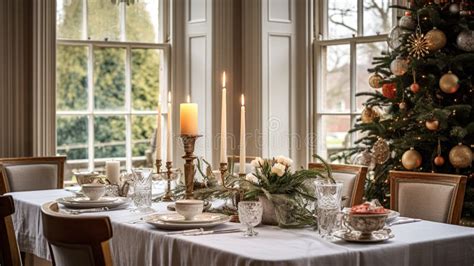
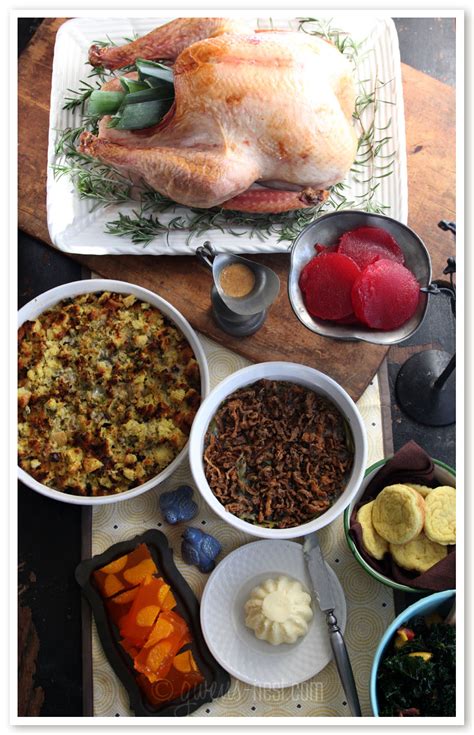
The holiday season evokes images of crackling fires, comforting aromas, and tables laden with delicious, homemade food. For many, a country holiday feast is the ultimate expression of warmth and tradition. Yet, the sheer undertaking of preparing such a spread can often mean hours spent in the kitchen, sometimes at the expense of connecting with the very family members you’re celebrating. The good news? You don’t have to choose between a spectacular meal and cherished family stories. With thoughtful planning and smart strategies, you can have both.
The Art of Early Planning & Delegation
The secret to a stress-free holiday feast begins long before the first guest arrives. Proactive planning is your most powerful tool.
The Master Schedule: Your Culinary GPS
Start by creating a detailed timeline several weeks in advance. List every dish you plan to make, then break down the preparation into smaller, manageable tasks. Assign specific days for shopping, chopping vegetables, baking pies, or making sauces that can be frozen. This visual guide will prevent last-minute panic and allow you to see where you can offload tasks or pre-prepare components.
Enlist Your Culinary Crew: Delegation is Key
You don’t have to be a one-person show. Family and friends are often eager to help, even if they claim not to be chefs. Assign specific dishes (a salad, a dessert, a side dish) to willing helpers, or give them simple prep tasks like setting the table, washing produce, or peeling potatoes. This not only lightens your load but also makes them feel involved in the celebration, fostering a communal spirit. Plus, it frees up your mental energy for more complex tasks and, crucially, for conversation.
Smart Prep for Stress-Free Cooking
Maximizing efficiency in the kitchen means embracing techniques that allow you to spread the work out.
Embrace Make-Ahead Magic
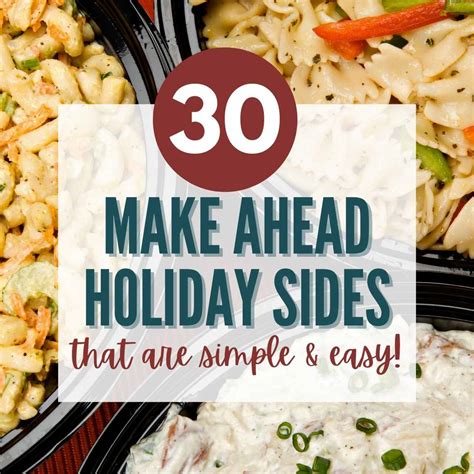
Many classic holiday dishes can be made partially or entirely in advance. Gravy bases, cranberry sauce, roasted vegetables (often better reheated!), and most desserts are prime candidates. Pie crusts can be blind-baked; casseroles assembled and refrigerated; rolls mixed and frozen. By tackling these items days or even weeks before, you reduce the cooking marathon on the main day, giving you more time to mingle and enjoy.
The Slow Cooker and Casserole Revolution
Leverage appliances that do the work for you. Slow cookers are perfect for sides like mashed potatoes (keeping them warm without stove space), green bean casseroles, or even savory stuffings. Casseroles are your best friend for feeding a crowd and are often ideal for make-ahead preparation. These dishes free up oven and stovetop space for items that require more immediate attention, like the main roast.
Weaving Family into the Feast (and the Stories)
The kitchen doesn’t have to be a solitary workspace. Turn it into a hub of activity and conversation.
Simple Tasks, Big Memories
Even young children can help with easy tasks like washing grapes, stirring a non-hot mixture, or decorating cookies. Teenagers can take on more responsibility, like chopping vegetables (under supervision) or assisting with plating. These shared moments become opportunities for bonding and creating new family traditions. Don’t underestimate the power of a simple task to spark a story from grandma about her own childhood kitchen adventures.

Kitchen Storytelling Sessions
As you’re all working together, make a conscious effort to encourage storytelling. Put on some classic holiday music and invite everyone to share a favorite holiday memory, a funny family anecdote, or a story about a dish being prepared. Sometimes the best stories emerge spontaneously when people are engaged in a shared activity. This turns the food prep from a chore into a lively, interactive experience.
Prioritizing Presence Over Perfection
Remember that the goal isn’t just a perfect plate of food, but a rich, memorable experience.
Simplify Where You Can
It’s okay to skip that one complicated dish or buy a high-quality dessert from a local bakery. Consider opting for a simpler side dish or a less elaborate presentation if it means gaining an hour back to spend with loved ones. The joy of the holidays often lies in the company, not in an endless array of handcrafted items.

Designated Downtime
Schedule breaks for yourself. Step away from the kitchen, even for just 15 minutes, to join in a board game, listen to a story, or simply enjoy a cup of coffee with a family member. These small pauses can significantly reduce stress and allow you to recharge, ensuring you’re present and engaged when it truly matters.
Conclusion: A Feast for the Senses and the Soul
Crafting a homemade country holiday feast is a labor of love, but it doesn’t have to be a source of stress. By planning ahead, delegating wisely, embracing smart prep techniques, and intentionally weaving family involvement and storytelling into the process, you can create a memorable meal that nourishes both the body and the soul. The most cherished ingredients in any holiday celebration are always laughter, love, and the timeless stories shared around a bountiful table.