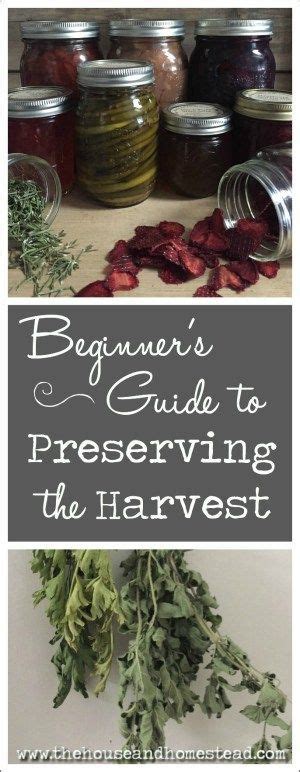
How to preserve a bumper garden harvest for real food meals year-round?
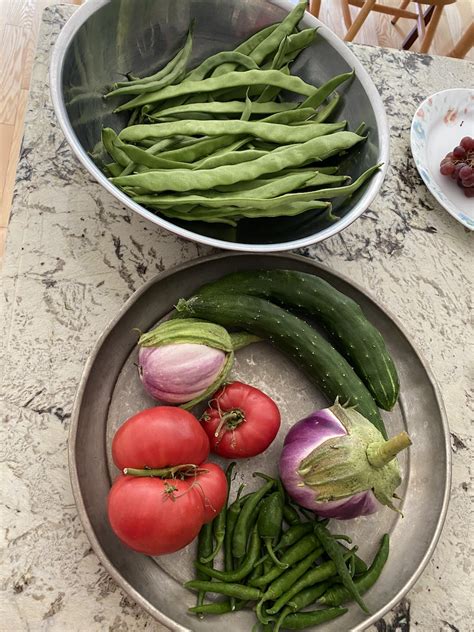
Embracing Abundance: Why Preserve Your Garden’s Bounty?
There’s nothing quite like the satisfaction of harvesting a garden teeming with fresh, vibrant produce. However, that joy can quickly turn into a race against time if you’re not prepared to handle the abundance. A bumper harvest is a wonderful problem to have, offering the perfect opportunity to stock your pantry and freezer with real food ingredients for delicious, wholesome meals all year long. Moving beyond simply eating fresh, preserving allows you to capture the peak flavor and nutritional value of your produce, ensuring a taste of summer even in the depths of winter.

Popular Preservation Methods for Every Gardener
Each preservation technique has its unique advantages and is suited for different types of produce. Understanding the basics will help you choose the best method for your harvest.
Freezing: Quick and Convenient
Freezing is arguably the easiest and most accessible preservation method for many home gardeners. It requires minimal equipment beyond freezer-safe containers or bags and maintains much of the produce’s flavor and texture. Blanching vegetables before freezing is crucial for inactivating enzymes that cause spoilage and nutrient loss. Fruits can often be frozen whole or sliced, sometimes with a light sugar syrup.
- Best for: Berries, corn, peas, green beans, broccoli, spinach, tomatoes (pureed or diced).
- Tips: Flash freeze individual pieces on a baking sheet before transferring to bags to prevent clumping. Remove as much air as possible from packaging.

Canning: Shelf-Stable Goodness
Canning involves sealing food in jars and heating them to destroy microorganisms and create a vacuum seal. It’s an excellent way to create shelf-stable products that don’t require refrigeration or freezing. There are two main types:
- Water Bath Canning: Used for high-acid foods like fruits, jams, jellies, pickles, and tomatoes (with added acid).
- Pressure Canning: Essential for low-acid foods such as vegetables, meats, and mixed recipes like soups and stews. A pressure canner reaches higher temperatures needed to kill dangerous bacteria.
- Best for: Jams, pickles, sauces, fruit preserves, green beans, corn, carrots, broths.
- Tips: Always follow tested, up-to-date recipes from reputable sources like the National Center for Home Food Preservation (NCHFP). Use proper canning equipment and inspect jars and lids carefully.
Dehydrating: Concentrated Flavors
Dehydration removes moisture from food, inhibiting microbial growth and enzyme activity. This method results in lightweight, compact food perfect for snacking, hiking, or adding concentrated flavor to dishes. A food dehydrator or even a low-temperature oven can be used.
- Best for: Herbs, fruit leathers, apple rings, sun-dried tomatoes, mushroom slices, kale chips, vegetable powders.
- Tips: Slice foods uniformly for even drying. Store dehydrated foods in airtight containers in a cool, dark place.
Fermentation: Probiotic Powerhouses
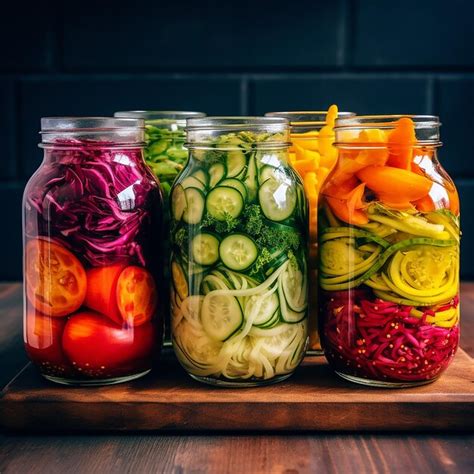
Fermentation is an ancient preservation technique that uses beneficial microorganisms to transform food, creating unique flavors and often enhancing nutritional value, particularly probiotics. It’s relatively low-tech and can be done with simple equipment.
- Best for: Sauerkraut, kimchi, pickles, kombucha, sourdough starters.
- Tips: Use clean equipment. Maintain proper salt ratios (for brining) and temperatures.
Root Cellaring and Cold Storage: Natural Solutions
For certain crops, simple cool, dark, and humid conditions can extend their life for months without electricity. A dedicated root cellar is ideal, but basements, unheated spare rooms, or even outdoor trenches can serve the purpose.
- Best for: Potatoes, carrots, apples, onions, garlic, squash, cabbage, beets.
- Tips: Ensure good air circulation. Store compatible items together (some produce emits ethylene gas, which can ripen others). Check regularly for spoilage.
Making the Most of Your Preserved Harvest
Preserving is only half the battle; the real reward comes in enjoying your efforts throughout the year. Plan your meals with your preserved ingredients in mind. Imagine adding home-canned tomatoes to winter stews, dehydrated herbs to soups, or frozen berries to smoothies. Not only will you enjoy healthier, real food meals, but you’ll also save money and reduce food waste. Embrace the journey of preserving your garden’s bounty, and savor the taste of your hard work long after the growing season ends.