

How to preserve fresh garden herbs for winter cooking?
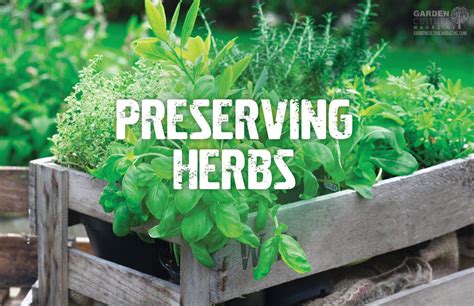
There’s nothing quite like the vibrant aroma and flavor of fresh herbs straight from the garden. As the seasons change and the chill of winter approaches, many home cooks lament the loss of these green treasures. However, with a little foresight and effort, you can easily preserve your homegrown herbs, allowing you to infuse your winter cooking with their summery essence all year long.
Freezing Herbs: Capturing Freshness
Freezing is arguably one of the best methods for preserving the truest flavor and color of many delicate herbs. It’s quick, easy, and minimizes degradation. This method is particularly excellent for herbs with high water content, such as parsley, cilantro, dill, chives, basil, and mint.
Ice Cube Tray Method
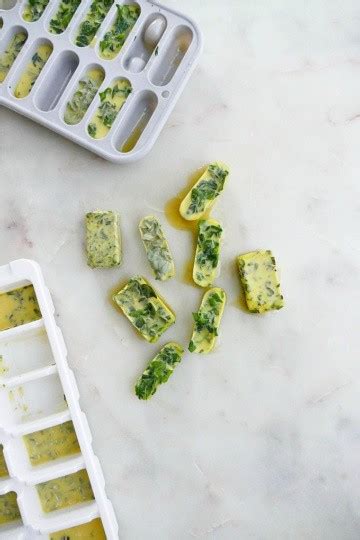
One popular technique is to chop your fresh herbs finely, pack them into ice cube trays, and cover them with a small amount of water or olive oil. Once frozen solid, pop the herb cubes out and store them in freezer-safe bags or containers. When you’re ready to cook, simply drop a cube or two into soups, stews, sauces, or stir-fries.
Direct Freezing
For more robust herbs like rosemary, thyme, or oregano, you can simply strip the leaves from the stems, spread them in a single layer on a baking sheet, freeze them until solid, and then transfer them to freezer bags. You can also freeze whole sprigs of rosemary or thyme directly in freezer bags.
Drying Herbs: Concentrated Flavor
Drying herbs concentrates their flavors and extends their shelf life considerably. This method works exceptionally well for herbs with lower moisture content and strong essential oils, such as rosemary, thyme, oregano, marjoram, sage, and bay leaves. While dried herbs taste different from fresh, they add a deep, earthy note to dishes.
Air Drying
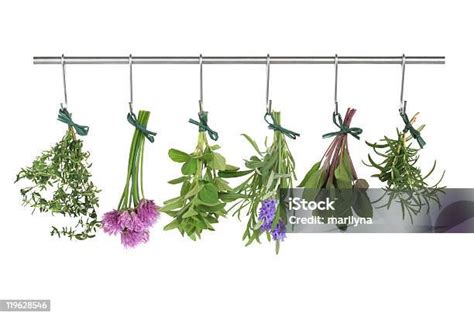
For a traditional approach, gather small bunches of herbs, tie them at the stems, and hang them upside down in a warm, dry, well-ventilated area away from direct sunlight. Ensure good air circulation to prevent mold. This can take anywhere from one to three weeks. Alternatively, you can lay individual leaves or small sprigs on drying screens or racks.
Oven or Dehydrator Drying
If you need a faster method, a food dehydrator is ideal as it maintains a consistent low temperature. Follow your dehydrator’s instructions. You can also use your oven on its lowest setting (usually around 170°F or 75°C), leaving the door slightly ajar to allow moisture to escape. Arrange herbs in a single layer on baking sheets and check frequently to prevent scorching.
Preserving Herbs in Oil or Vinegar
Infusing herbs into oil or vinegar creates flavorful bases for dressings, marinades, and cooking. While these methods impart wonderful taste, it’s crucial to follow safety guidelines, especially with oil infusions, to prevent bacterial growth.
Herbed Oils (Caution Advised)
To create a safe herbed oil, it’s best to use dried herbs, as fresh herbs contain moisture that can lead to botulism. Heat the oil and dried herbs gently, then let it cool before straining and storing in a cool, dark place. For fresh herb oils, always store them in the refrigerator and use them within a week, or freeze them for longer storage.
Herbed Vinegars
Infusing vinegar is a safer and delicious way to preserve fresh herbs. Simply pack a clean jar with sprigs of fresh herbs like tarragon, basil, rosemary, or thyme, and fill it with a good quality vinegar (white wine, red wine, or apple cider vinegar). Seal and store in a cool, dark place for 2-4 weeks, shaking occasionally. Strain out the herbs before using.

Salt Preservation: An Ancient Method
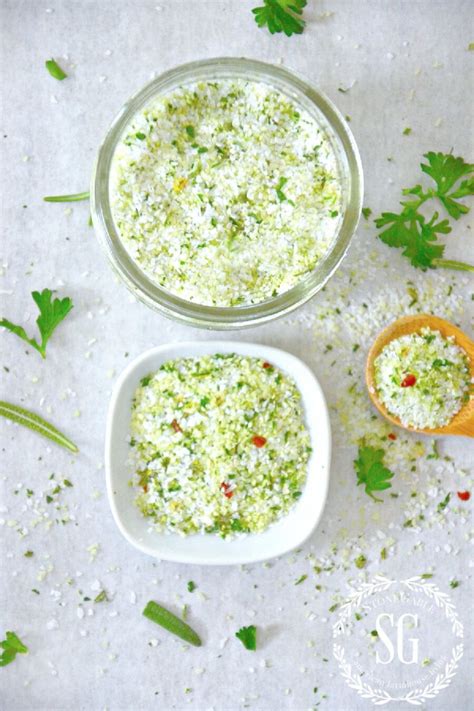
Salt preservation is less common but effective for certain robust herbs like rosemary, sage, and thyme. Layer fresh, clean herbs with coarse salt in an airtight container. The salt draws out moisture and prevents spoilage, while also infusing the salt with herb flavor. This herb-infused salt can then be used directly in cooking, adding both seasoning and herbaceous notes.
Storing and Using Your Preserved Herbs
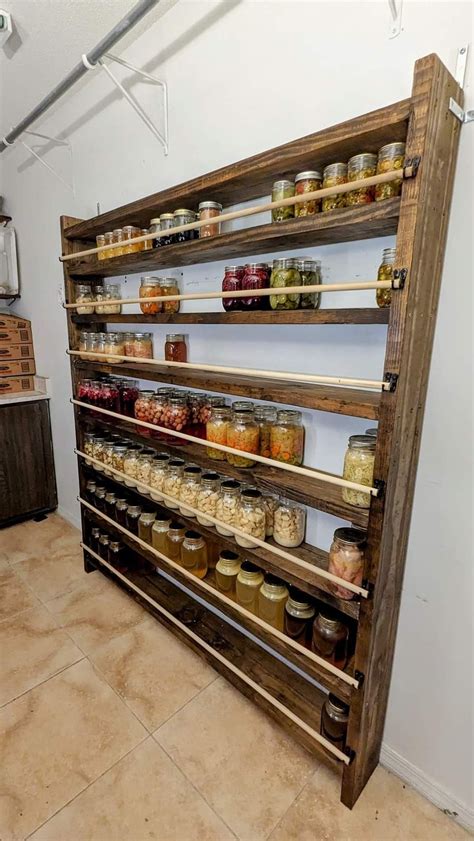
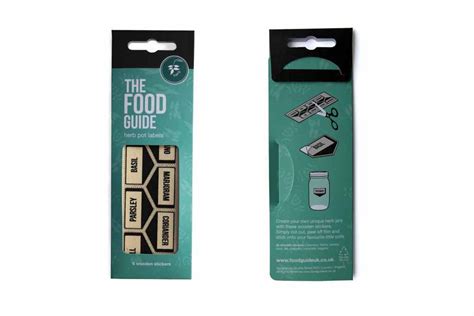
Proper storage is key to maximizing the lifespan and flavor of your preserved herbs. Always use airtight containers, dark glass jars, or vacuum-sealed bags to protect them from air, light, and moisture. Label everything with the herb type and the date of preservation. Dried herbs should be stored in a cool, dark pantry, while frozen herbs remain in the freezer.
When it comes to using them, remember that dried herbs are more concentrated than fresh, so use about one-third the amount. Frozen herbs retain much of their fresh flavor and can often be substituted in equal measure for fresh in cooked dishes. Experiment with different preservation methods to find what works best for your favorite herbs and culinary needs.
Conclusion
Don’t let your abundant garden herbs go to waste as winter approaches. By employing these simple and effective preservation techniques—freezing, drying, and infusing—you can extend the life of your culinary companions. Imagine the joy of adding a burst of summer basil to a winter minestrone or a hint of garden rosemary to a pot roast, all thanks to your thoughtful efforts. Preserve the season, and savor the flavor!