How to preserve garden tomatoes for winter sauces?
There’s nothing quite like the taste of a ripe, sun-kissed tomato straight from the garden. While their peak season is fleeting, preserving these juicy gems allows you to enjoy their vibrant flavor in your favorite winter sauces. From robust marinara to comforting tomato soup, a well-stocked pantry of preserved tomatoes is a true culinary treasure.
Choosing the Right Tomatoes for Preservation
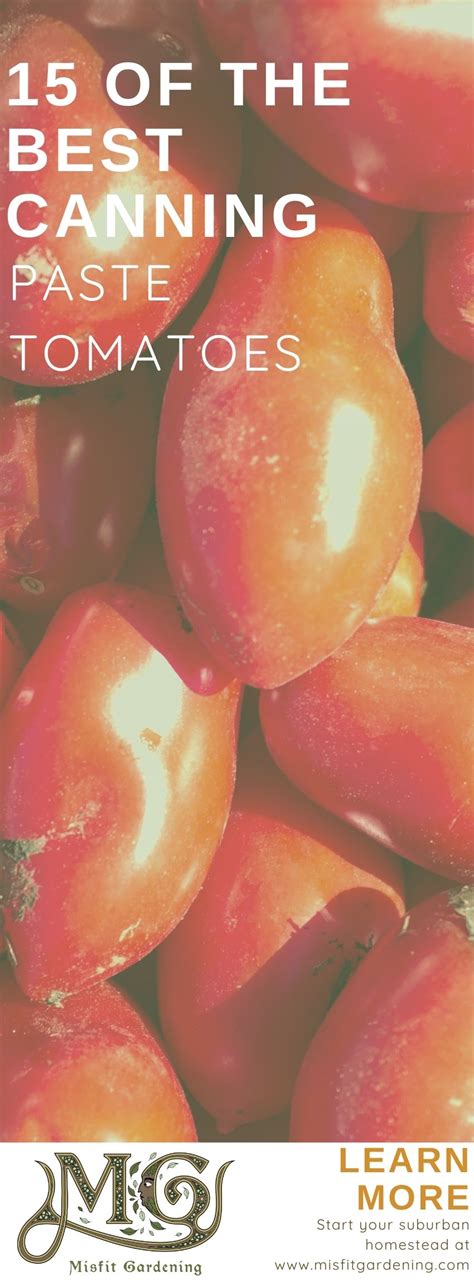
Not all tomatoes are created equal when it comes to preserving. Roma and other paste tomatoes (like San Marzano) are ideal due to their thicker walls, fewer seeds, and lower water content, resulting in a richer, less watery sauce. Beefsteak varieties can also be used, but you might need to cook them down longer to achieve the desired consistency for sauces.
Popular Preservation Methods
1. Canning Tomatoes for Sauces
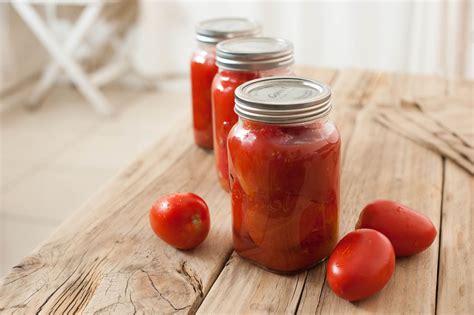
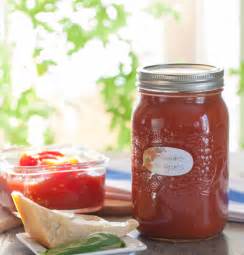
Canning is a classic method that offers shelf-stable goodness, allowing you to store your tomatoes for extended periods. Tomatoes are a high-acid food, making them generally safe for water bath canning when proper steps are followed, including the addition of extra acidity.
Crushed or Diced Tomatoes:
- Preparation: Wash tomatoes thoroughly, remove cores, and score the bottoms. Blanch them in boiling water for 30-60 seconds, then immediately transfer to an ice bath to stop cooking. Peel skins, then crush or dice them as desired.
- Packing: Pack hot tomatoes into sterilized jars, leaving ½ inch headspace. Add a teaspoon of lemon juice or ¼ teaspoon of citric acid per quart jar (half for pint jars) for acidity – this is essential for safety, especially with modern, less acidic tomato varieties.
- Processing: Water bath can for 40-45 minutes for pint jars or 45-50 minutes for quart jars, adjusting processing time for your altitude.
Whole Peeled Tomatoes:
Follow the same preparation steps for peeling. Pack whole, peeled tomatoes into jars, pressing down gently to release juices and fill spaces. Add lemon juice or citric acid as mentioned above. Process in a water bath using the same times.
2. Freezing Tomatoes for Convenience
Freezing is arguably the easiest method and preserves a very fresh flavor, perfect for later sauce making. It requires minimal upfront effort and is great for beginners.
Whole or Halved Tomatoes:
Wash and core tomatoes. You can freeze them whole on a baking sheet until solid, then transfer to freezer-safe bags. The skins will slip off easily once thawed, making them ready for immediate use. Alternatively, halve them and freeze directly in bags or containers.
Tomato Puree or Sauce Base:
Cook down your tomatoes into a puree or a simple sauce base seasoned to your liking. Ladle into freezer-safe containers, heavy-duty freezer bags, or even ice cube trays for smaller, individual portions. This is an excellent way to have a ready-made base for quick weeknight meals.

3. Roasting Tomatoes for Intense Flavor
Roasting concentrates the tomato’s natural sugars, creating an incredibly rich and deep flavor profile that is ideal for robust sauces. This method adds a layer of complexity that raw tomatoes don’t offer.
Halve or quarter tomatoes, toss with a generous amount of olive oil, salt, pepper, and your favorite herbs (like basil, oregano, or thyme). Spread them in a single layer on a baking sheet. Roast at 350-400°F (175-200°C) until softened, shrunken, and slightly caramelized, usually 45-60 minutes depending on size. Once cooled, these can be pureed and frozen, or canned using proper acidity and processing times for roasted vegetables.

Tips for the Best Winter Sauces
- Use Ripe Tomatoes: Always select firm, perfectly ripe, unblemished tomatoes for the best flavor and quality in your preserved products.
- Proper Sterilization: For canning, always ensure your jars and lids are properly sterilized according to manufacturer instructions to prevent spoilage.
- Add Acidity: When canning, adding lemon juice or citric acid is crucial for food safety, especially with modern, less acidic tomato varieties. Do not skip this step.
- Label and Date: Clearly label all preserved items with the date and contents. This ensures you use them within their optimal freshness and can easily identify what you have stored.
Enjoying Your Harvest All Year Long
Preserving your garden tomatoes is a rewarding process that pays dividends throughout the colder months. Imagine the satisfaction of pulling out a jar or bag of sun-ripened flavor on a chilly evening, knowing that the robust foundation of your homemade sauce began with your own garden’s bounty. Experiment with different methods to find what works best for your kitchen and your favorite sauce recipes, ensuring a taste of summer in every winter meal!