How to preserve summer garden bounty using old-fashioned country recipes?
Embracing the Art of Old-Fashioned Preservation
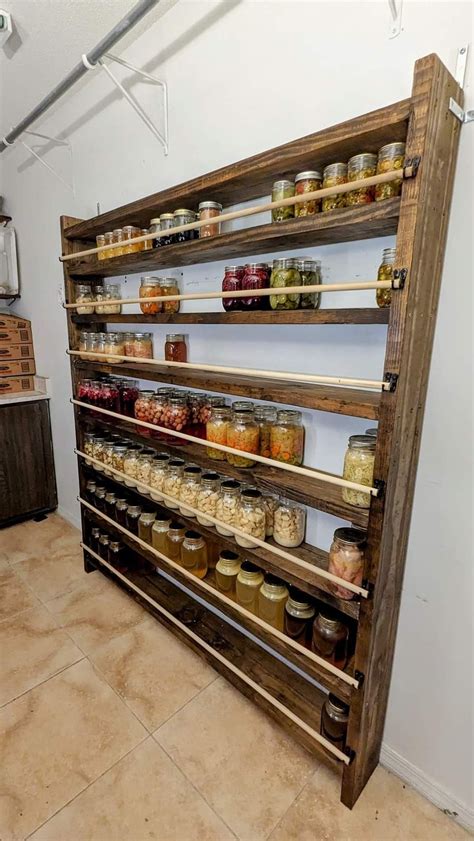
As the vibrant peak of summer brings an overwhelming bounty from our gardens, there’s a timeless satisfaction in preserving that freshness for the colder months. Before refrigeration and industrial freezers, our ancestors relied on ingenious, often simple, methods to extend the harvest. These old-fashioned country recipes not only keep produce from going to waste but also imbue them with unique flavors and a touch of nostalgic charm.
From bubbling pots of jam to tangy jars of pickles, these traditional techniques connect us to a past where self-sufficiency was a way of life. They offer a sustainable approach to food, reducing waste and allowing us to savor the taste of summer’s peak long after the last tomato has ripened.

Sweet Sensations: Jams, Jellies, and Fruit Butters
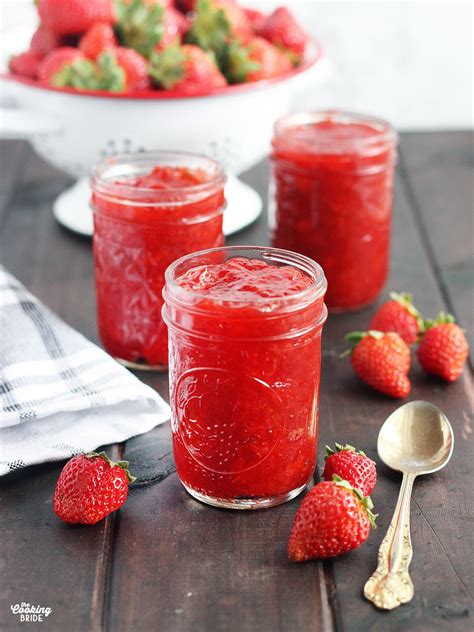
One of the most beloved ways to preserve fruit is by transforming it into sweet spreads. Jams, jellies, and fruit butters capture the concentrated essence of berries, stone fruits, and apples. The key to successful fruit preservation lies in ripe, high-quality produce and a good balance of sugar and acid, often with the help of natural pectin.
For a classic strawberry or peach jam, simply combine chopped fruit with sugar (often a 1:1 ratio, though it can be adjusted), and cook slowly until thickened. A ‘plate test’ – dropping a spoonful onto a chilled plate to see if it wrinkles – indicates readiness. Hot-water bath canning is essential for shelf stability, ensuring those beautiful jars will last through the winter.
Fruit butters, like apple butter, involve cooking fruit down to a smooth, thick consistency, often with warming spices like cinnamon and cloves, resulting in a less sugary, deeply flavorful spread perfect for toast or accompanying roasted meats.
Tangy Delights: Pickling Vegetables
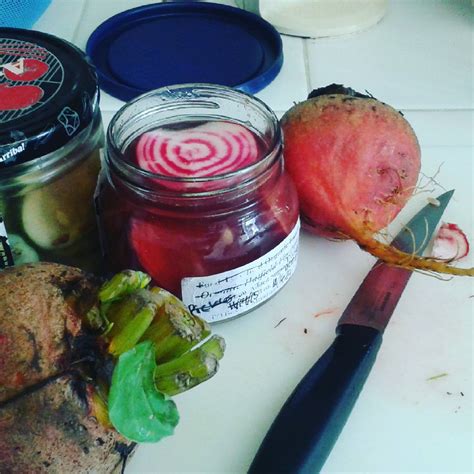
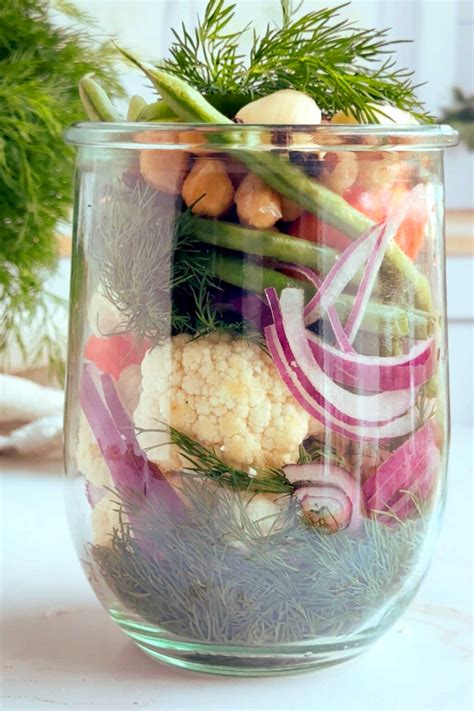
Pickling is another time-honored tradition that transforms crisp vegetables into zesty, pantry-stable condiments. While fermentation is a subset of pickling, many classic country recipes rely on a vinegar brine to preserve cucumbers, green beans, okra, and more. This method not only extends their life but also introduces a delightful tang that complements a variety of meals.
A basic pickling brine consists of vinegar (white or apple cider), water, salt, and sometimes sugar. Spices like dill, mustard seeds, garlic, and red pepper flakes add layers of flavor. Hot-pack pickling, where vegetables are packed into jars with hot brine and then processed in a boiling water bath, is the most common and safest method for home picklers.
Beyond whole pickles, consider making relishes from chopped cucumbers and peppers, or chutneys with fruits, vegetables, vinegar, and spices, which offer a sweet and savory counterpoint to rich dishes.
Harnessing the Sun and Air: Drying and Dehydrating
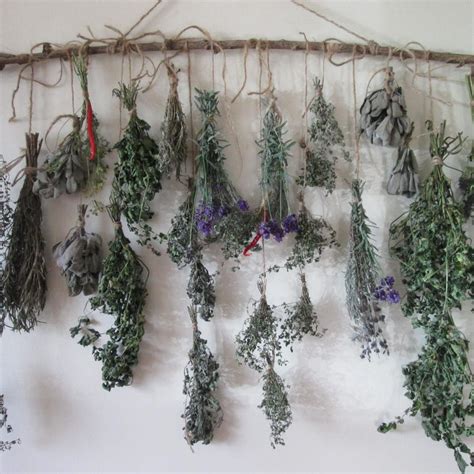
One of the oldest and simplest methods of preservation is drying, which removes moisture to inhibit spoilage. This technique is perfect for herbs, certain fruits, and even some vegetables. Air drying herbs like basil, oregano, and thyme is as easy as gathering small bundles and hanging them upside down in a warm, dry, and well-ventilated area until brittle.
For fruits like apples, peaches, or tomatoes, a food dehydrator offers precise control, but you can also use a low oven setting (around 140°F / 60°C) with the door slightly ajar. Sun drying is another option in very hot, dry climates, requiring vigilance against insects and moisture. Properly dried produce should be stored in airtight containers away from light and heat to maintain quality.
Cool Storage: The Root Cellar Tradition
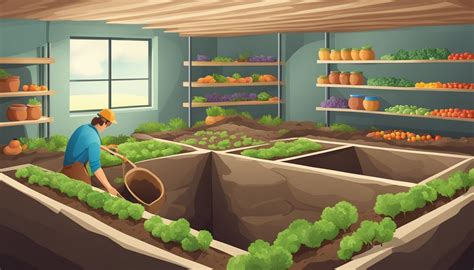
For hardy root vegetables, winter squash, and certain fruits like apples, a cool, dark, and humid environment can keep them fresh for months without any processing. The traditional root cellar, whether a dedicated underground room or a simple cold corner of a basement, provides these ideal conditions.
If you don’t have a true root cellar, you can mimic the conditions. Buried trash cans or insulated bins can work for carrots, potatoes, and beets, stored in layers of sand or sawdust. Apples and pears benefit from cool, slightly humid storage, carefully spaced to prevent contact and spoilage. Always ensure produce is free from blemishes before storing, as one bad apple truly can spoil the bunch.
Tips for Success and Safety
Regardless of the method, attention to detail is crucial. Always start with the freshest, highest-quality produce. Cleanliness and sterilization are paramount, especially in canning, to prevent spoilage and ensure safety. Use reliable, tested recipes from reputable sources, as ratios and processing times are often critical.
Properly sealed jars, airtight containers for dried goods, and vigilant monitoring of cool storage environments will ensure your preserved bounty stays delicious and safe to eat. There’s immense satisfaction in opening a jar of homemade jam in the dead of winter, tasting the sunshine of summer in every spoonful.
Embracing these old-fashioned country recipes is more than just preserving food; it’s preserving a legacy, connecting with nature’s rhythm, and enjoying the fruits (and vegetables) of your labor all year long.