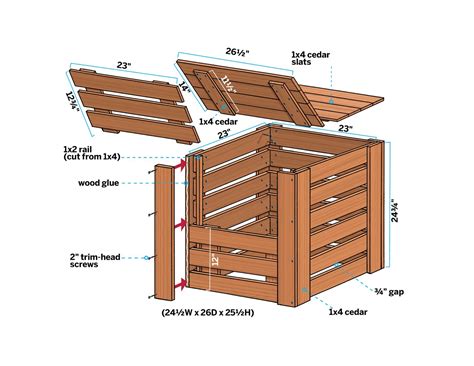
How to preserve summer garden bounty without a huge freezer or specialized equipment?

Embracing Traditional Methods for a Bountiful Year
Summer in the garden is a joyous time of abundance, but for many, the sheer volume of ripe produce can quickly become overwhelming. The common dilemma often involves running out of freezer space or lacking the specialized equipment some modern preservation techniques demand. However, you don’t need a walk-in freezer or a commercial dehydrator to enjoy your harvest year-round. Traditional, low-tech methods passed down through generations offer practical and delicious solutions for preserving your garden’s goodness.
These time-honored techniques leverage basic kitchen tools and clever environmental conditions to extend the life of your fruits and vegetables. From shelf-stable jars of jam to crisp pickles and naturally dried herbs, there are countless ways to ensure your hard work in the garden pays off long after the last warm days of summer fade.
Water Bath Canning: Your Gateway to Shelf-Stable Goodness
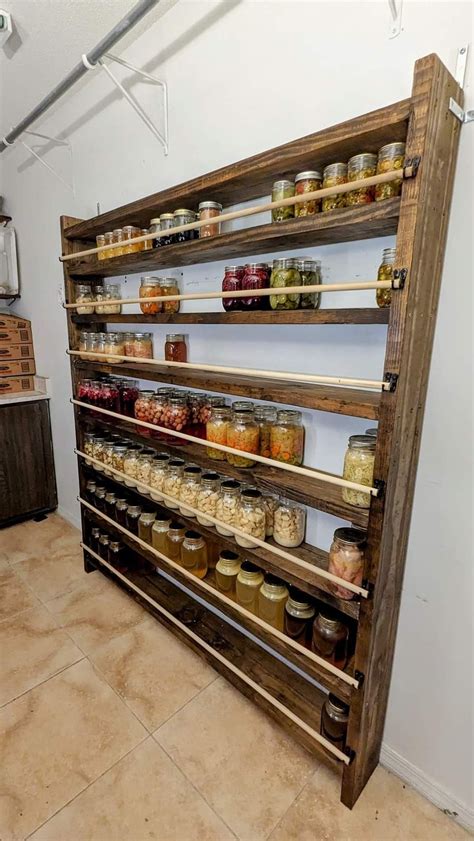
Water bath canning is arguably the most accessible and popular method for preserving high-acid foods. If you can boil water, you can water bath can! It’s perfect for fruits, jams, jellies, fruit pie fillings, pickles, and high-acid tomato products (with added lemon juice or citric acid). All you truly need is a large stockpot deep enough to cover your jars by at least an inch of boiling water, a canning rack (or even a kitchen towel placed at the bottom), canning jars, lids, and rings.
- Fruits and Jams: Berries, peaches, plums, and apples are perfect candidates for turning into delicious jams, jellies, or simply canning in light syrup.
- Pickles: Cucumbers, beans, and even carrots can be transformed into tangy, crunchy pickles that brighten any meal.
- Tomatoes: Canned whole, crushed, or as sauce, tomatoes are a versatile staple. Just ensure you acidify them correctly for water bath safety.
Dehydration: Sunlight and Air for Long-Lasting Flavors
Drying is one of the oldest preservation methods known to humanity, effectively removing moisture to inhibit spoilage. While electric dehydrators exist, many foods can be dried naturally using the sun, a conventional oven, or even just air circulation.
- Sun Drying: Ideal for herbs, some fruits (like tomatoes, figs, grapes), and hot, dry climates. Simply spread thinly sliced produce on screens in direct sunlight, bringing them in at night or during damp weather.
- Oven Drying: For cooler climates or rainy days, a conventional oven set to its lowest temperature (usually 140-170°F or 60-77°C) with the door slightly ajar can work wonders. This is great for apple rings, fruit leathers, and even thinly sliced vegetables.
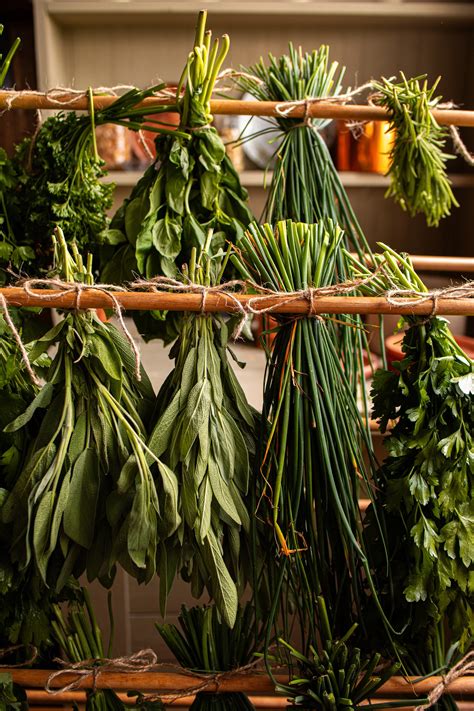
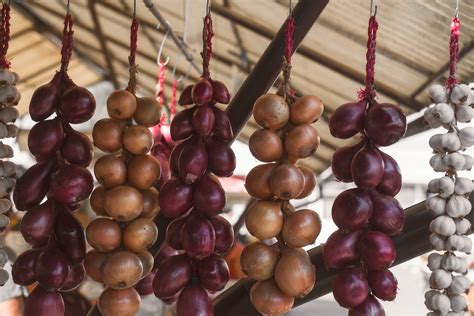
- Air Drying: Herbs, chili peppers, and even garlic braids can be simply hung in a warm, dry, well-ventilated area until brittle.
Fermentation and Vinegar Pickling: Probiotics and Punchy Flavors
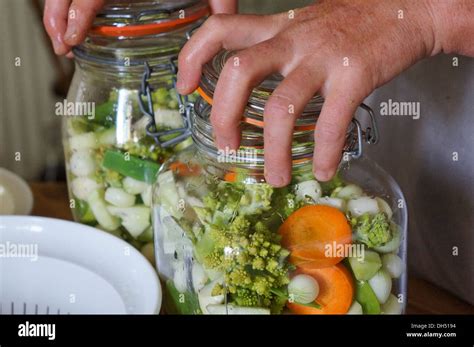
Fermentation not only preserves food but also enhances its nutritional value and creates unique, complex flavors. Lactic acid fermentation, common in making sauerkraut or kimchi, relies on beneficial bacteria to transform vegetables.
- Sauerkraut and Kimchi: Cabbage, salt, and time are the main ingredients for these probiotic powerhouses. Simple crocks or jars with airlocks are common, but even just a jar with a weighted plate can suffice.
- Dill Pickles: Real fermented dill pickles are a world away from their vinegar-brined cousins, offering a tangy, savory crunch.
- Vinegar Pickling: For a quicker, more straightforward approach, vinegar pickling (using a water bath for shelf stability if desired) creates classic dilly beans, bread and butter pickles, or pickled beets.
Root Cellaring and Cool Storage: Nature’s Refrigerator
Many root vegetables, gourds, and alliums are naturally designed for long-term storage in cool, dark, and moderately humid conditions. While a dedicated root cellar is ideal, you can mimic these conditions in various parts of your home.
- Potatoes and Onions: Store in burlap sacks or open baskets in a cool, dark pantry or basement. Keep them separate, as gases from onions can cause potatoes to sprout.
- Winter Squash and Pumpkins: These prefer slightly warmer (50-60°F or 10-15°C) and drier conditions. A sturdy shelf in a spare room or pantry works well.
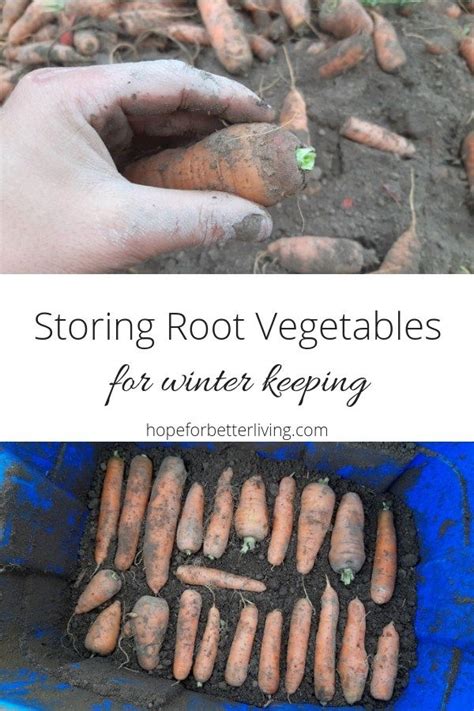
- Carrots and Beets: For longer storage, layer them in damp sand or sawdust in crates in a very cool, dark spot (like an unheated basement corner).
Making Syrups, Vinegars, and Relishes: Creative Culinary Preservation
Beyond the core methods, there are numerous creative ways to preserve specific flavors and ingredients. Making fruit syrups, infused vinegars, or chutneys and relishes allows you to capture the essence of your garden in unique forms.
- Fruit Syrups: Capture the intense flavor of berries or stone fruits by cooking them down with sugar and straining. These can be canned or simply stored in the refrigerator.
- Herb-Infused Vinegars: Steep fresh herbs like basil, rosemary, or tarragon in apple cider or white vinegar for flavorful salad dressings or marinades.
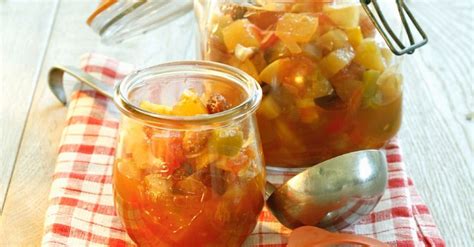
- Chutneys and Relishes: These flavorful condiments, often made with fruits, vegetables, vinegar, and spices, are excellent for preserving a mix of ingredients and can be water bath canned.
The Simple Joys of Preservation
Preserving your summer garden bounty without a huge freezer or specialized equipment is not just about frugality; it’s about reconnecting with traditional skills, savoring seasonal flavors, and enjoying the immense satisfaction of a well-stocked pantry. These methods are proof that with a little knowledge and some basic kitchen staples, you can turn a summer’s fleeting abundance into a year-round feast. Start small, experiment with what you grow most, and soon you’ll be a master of making your harvest last.