
How to preserve summer harvest without a huge pantry?
The vibrant abundance of a summer garden is one of life’s greatest joys, but for those without a sprawling country pantry, the thought of preserving that bounty can feel overwhelming. Visions of shelves overflowing with jars might seem out of reach in a smaller home. Fear not, aspiring preservers! With a few clever techniques and a mindful approach, you can savor the flavors of summer long after the season ends, even if your “pantry” is just a few dedicated shelves.
Maximize Your Freezer Space
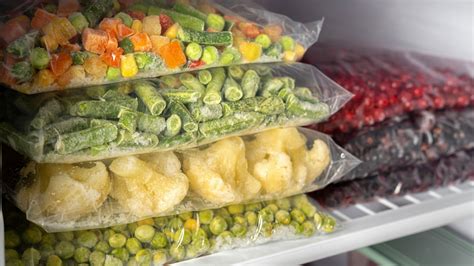
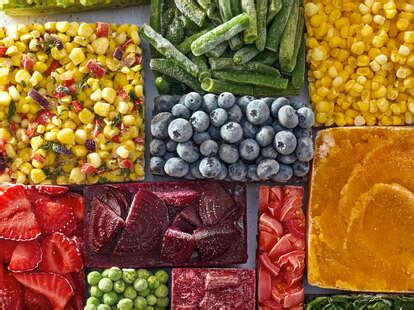
Freezing is arguably the simplest and most versatile preservation method, especially for those with limited pantry space. It requires minimal equipment beyond freezer-safe containers or bags and, of course, a freezer. Almost any fruit or vegetable can be frozen, often with just a quick blanch beforehand to maintain color and texture.
Smart Freezing Tips:
- Blanching is Key: For most vegetables (beans, peas, corn, broccoli), a quick dip in boiling water followed by an ice bath stops enzyme action, preserving flavor and nutrients.
- Flash Freezing: Spread berries or cut vegetables in a single layer on a baking sheet to freeze individually before transferring to bags. This prevents clumping and makes it easier to use small portions.
- Flat-Pack Liquids: Freeze purees, stocks, or sauces in freezer bags laid flat. Once solid, they take up very little space and can be stacked efficiently.
- Label, Label, Label: Always date and label your frozen goods to avoid mystery meals later on.
Embrace the Power of Dehydration
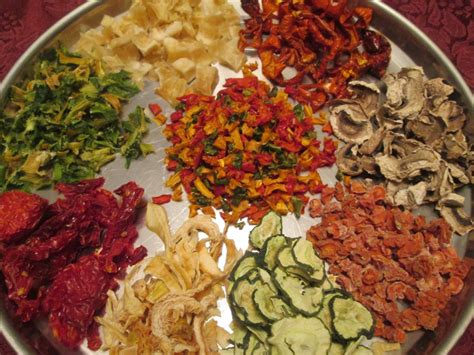
Dehydrating food removes moisture, inhibiting spoilage and dramatically reducing bulk, making it an excellent choice for small spaces. A dehydrator is a worthwhile investment, but you can also use your oven on its lowest setting with the door ajar, or even sun-dry in hot, dry climates.
What to Dehydrate:
- Fruits: Apples, berries, bananas, peaches, apricots make delicious snacks or additions to granola.
- Vegetables: Tomatoes, peppers, zucchini, carrots, and herbs are perfect for adding to soups, stews, or making vegetable powders.
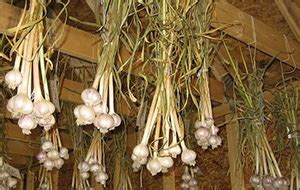
- Herbs: Drying herbs preserves their potency and frees up valuable fresh herb space.
Once dried, store your produce in airtight containers in a cool, dark place. They’ll take up significantly less room than fresh or even canned goods.
Small-Batch Canning & Fermentation
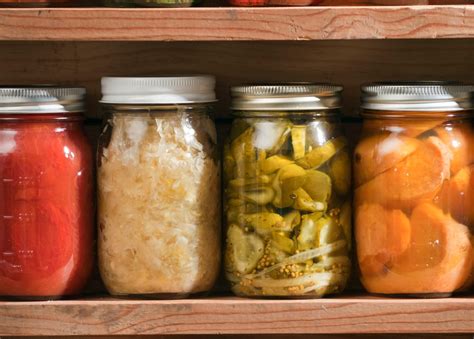
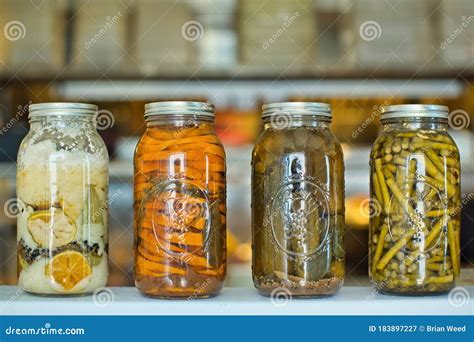
Canning often conjures images of huge quantities, but water bath canning is perfectly suited for small batches of high-acid foods. Think jams, jellies, pickles, and salsas. You don’t need a huge canner; a large pot with a rack will do for pints and half-pints. For low-acid foods (like plain vegetables or meats), pressure canning is necessary, but small, electric pressure canners are now available that take up less space than traditional stovetop models.
Fermentation is another fantastic, low-space preservation method that offers incredible health benefits. Sauerkraut, kimchi, and lacto-fermented pickles require only a jar, salt, and your chosen produce. They can ferment on a countertop for a few days to weeks and then store in the fridge, taking up minimal space.
Creative Storage Solutions
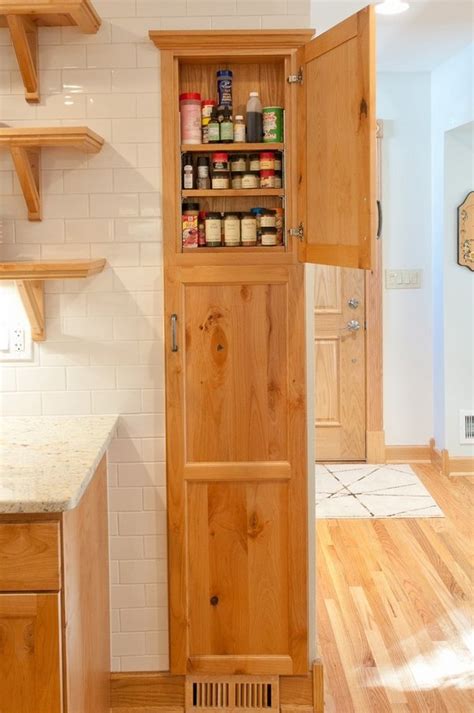
When you don’t have a dedicated pantry, you need to get creative with your storage. Look for overlooked spaces:
- Under Beds: Sturdy, shallow containers can hold jars or dehydrated goods.
- Closet Floors/Shelves: Utilize vertical space with stackable bins or shelves.
- Basement or Garage Corners: Ensure these areas are cool, dark, and dry. Invest in opaque storage bins to protect contents from light.
- Decorative Storage: Some preserved items, like colorful pickled vegetables, can be stored in attractive jars on open shelves or countertops as part of your decor.
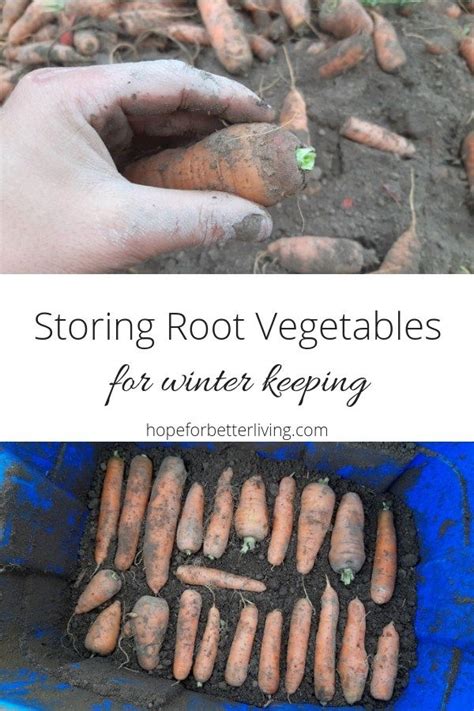
- Root Cellar Alternatives: For root vegetables like potatoes, carrots, and onions, a cool, dark corner of a closet or even a sturdy bin in an unheated room can extend their shelf life significantly. Pack them in sand or sawdust for optimal results.
The “Use It Or Lose It” Mentality
Finally, remember that preservation isn’t just about long-term storage; it’s also about managing immediate abundance. Don’t be afraid to give away excess produce to neighbors, friends, or local food banks. And make sure you’re actively cooking with and enjoying what you’ve preserved throughout the year. A smaller harvest means you can be more intentional with each jar, bag, or container.
Preserving your summer harvest without a huge pantry is not only possible but can also be incredibly rewarding. By focusing on efficient methods like freezing, dehydrating, small-batch canning, and clever storage, you can capture the essence of summer and enjoy homegrown goodness all year long, no matter the size of your home.