

How to prevent blossom end rot in homegrown tomatoes naturally?
Understanding Blossom End Rot: The Common Tomato Frustration
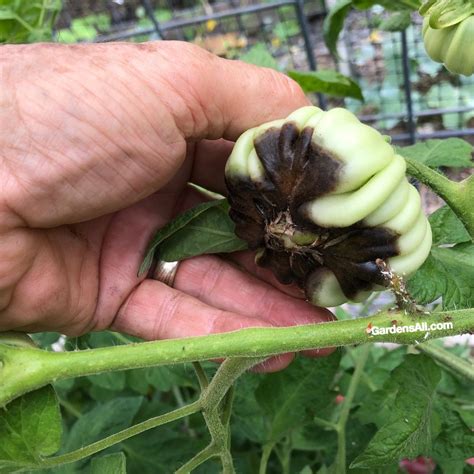
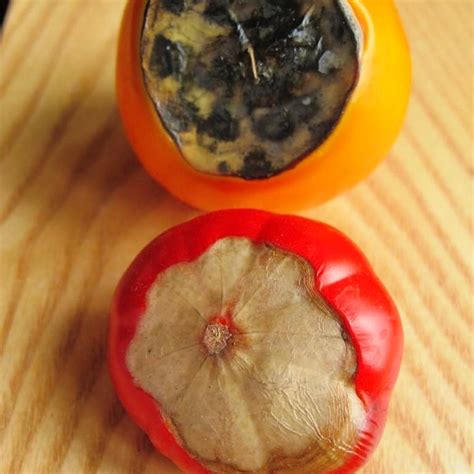
Blossom end rot (BER) is a frustrating, non-infectious physiological disorder that commonly affects tomatoes, as well as peppers, squash, and watermelon. It manifests as a dark, sunken, leathery spot on the blossom end (bottom) of the fruit, typically appearing when the fruit is green and still developing. While unsightly and rendering the affected part inedible, BER doesn’t mean your entire plant is doomed; it’s a clear sign that something in the plant’s environment or care needs adjustment.
The Root Cause: Calcium Imbalance, Not Always Deficiency
Contrary to popular belief, blossom end rot is rarely due to a lack of calcium in the soil itself. Instead, it’s almost always a result of the plant’s inability to absorb or transport sufficient calcium to the developing fruit. Calcium uptake is primarily driven by water movement through the plant. Therefore, inconsistent watering—periods of drought followed by heavy watering—is the leading culprit. Other contributing factors include rapid growth, root damage, and excessively high soil salinity.
Strategy 1: Consistent and Deep Watering is Key
The single most important step in preventing BER naturally is maintaining consistent soil moisture. Tomatoes thrive with deep, regular watering. Aim for 1-2 inches of water per week, adjusting for rainfall and temperature. Water deeply at the base of the plant, allowing the water to soak down to the root zone. Avoid overhead watering, which can encourage fungal diseases. Drip irrigation or soaker hoses are excellent tools for delivering water directly where it’s needed, slowly and consistently.
Strategy 2: Optimize Soil Health and Calcium Availability
While soil calcium deficiency is rare, ensuring your soil has adequate, available calcium is still crucial. A soil test can confirm actual calcium levels and pH. The ideal pH for tomatoes is between 6.0 and 6.8, as this range optimizes nutrient uptake. If your soil test indicates a very low pH or low calcium, consider amending with dolomitic lime (for both calcium and magnesium) or gypsum (for calcium without significantly altering pH) in the fall or early spring, allowing time for it to integrate. Crushed eggshells can add calcium, but they break down slowly and are more of a long-term soil amendment than a quick fix for existing problems.
Strategy 3: Mulch, Mulch, Mulch!
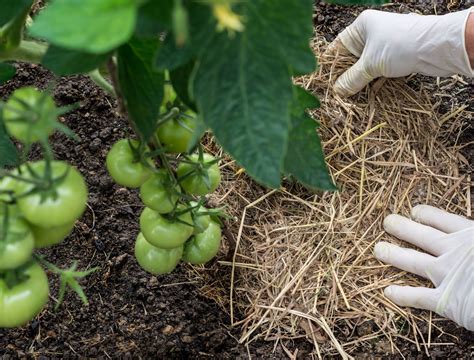
Applying a 2-4 inch layer of organic mulch around your tomato plants is a game-changer. Mulch—such as straw, shredded leaves, or wood chips—helps to regulate soil temperature, suppress weeds, and, most importantly, conserve soil moisture. By reducing evaporation, mulch helps maintain the consistent moisture levels vital for calcium transport, significantly mitigating the risk of BER.
Strategy 4: Avoid Nitrogen Overload and Root Disturbance
Excessive nitrogen fertilizer can encourage lush foliage growth at the expense of fruit development and may interfere with calcium uptake. Use a balanced fertilizer or one slightly higher in phosphorus and potassium once fruits begin to set. Furthermore, be gentle around your tomato plants; avoid deep cultivation that could damage their feeder roots, which are crucial for water and nutrient absorption. Plant tomatoes in an area where they won’t be easily disturbed by frequent foot traffic or other gardening activities.
Strategy 5: Proper Planting and Container Care
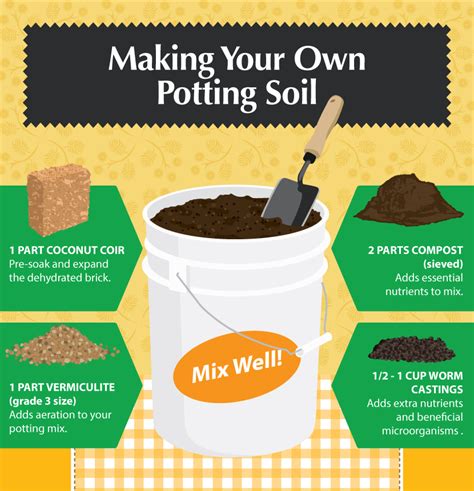
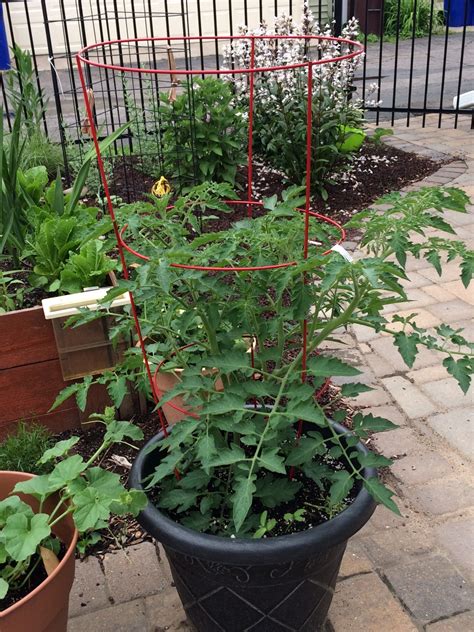
If growing in containers, choose large pots (at least 15-20 gallons) to provide ample soil volume and prevent rapid drying. Ensure containers have excellent drainage. When planting, dig a hole that accommodates the entire root ball comfortably. Avoid planting too early in cold soil, as cold temperatures can inhibit root function and nutrient uptake, leading to BER even with adequate soil calcium.
Conclusion: Patience and Consistent Care Yield Rewards
Preventing blossom end rot naturally boils down to creating a stable and nurturing environment for your tomato plants. Consistent watering, healthy soil management, smart mulching, and avoiding common pitfalls like nitrogen excess are your best defenses. While affected fruits cannot be remedied, new fruits developing on the same plant can be perfectly healthy once these cultural practices are implemented. With a little attention and consistent care, you can enjoy a season full of perfect, juicy homegrown tomatoes, free from the dreaded blossom end rot.