





How to prevent common chicken coop odors and disease naturally?

A clean and healthy chicken coop is crucial for the well-being of your flock and the pleasantness of your backyard. Strong odors and rampant disease are often signs of poor management, but preventing them doesn’t require harsh chemicals. By implementing natural, sustainable practices, you can create a thriving environment for your chickens and reduce your workload.
Prioritize Excellent Ventilation
One of the most effective ways to combat odors and prevent respiratory issues in chickens is ensuring proper ventilation. Stagnant air allows ammonia to build up, which is harmful to chickens’ lungs and can attract pests. Good airflow removes moisture, reduces ammonia, and helps regulate temperature.
- Cross-Ventilation: Design your coop with vents or windows on opposite sides to allow air to flow through.
- Ridge Vents: Vents at the highest point of the coop allow hot, stale air to escape, especially important in warmer climates.
- Avoid Drafts at Roost Level: While good airflow is essential, ensure your chickens aren’t in direct drafts when they are roosting, especially in colder weather.
Adequate ventilation doesn’t mean your coop should be drafty; it means fresh air is constantly circulating without directly blowing on your birds.

Embrace the Deep Litter Method
The deep litter method is a natural, low-maintenance way to manage coop bedding that significantly reduces odors and promotes beneficial bacteria. Instead of regularly stripping and replacing all bedding, you add fresh layers on top of soiled material, allowing natural decomposition to occur.
This method works by:
- Composting in Place: The layers of carbon-rich bedding (pine shavings, straw) mixed with nitrogen-rich droppings create a slow composting process within the coop.
- Beneficial Microbes: Healthy bacteria develop, breaking down waste and converting ammonia into less harmful compounds.
- Odor Reduction: A well-managed deep litter system has little to no offensive smell, often smelling earthy and fresh.
- Warmth in Winter: The decomposition process generates a small amount of heat, which can be beneficial during colder months.
To implement, start with 4-6 inches of bedding. Stir or turn the litter regularly, especially in droppings areas, and add fresh layers as needed. The litter can be completely replaced every 6-12 months, providing excellent garden compost.

Consistent Cleaning and Maintenance
Even with deep litter and good ventilation, routine cleaning is essential for preventing disease and odors. Consistency is key.
- Daily Spot Cleaning: Remove particularly wet or matted droppings, especially under roosts.
- Clean Feeders and Waterers Daily: These are prime breeding grounds for bacteria and mold. Wash them with soap and water regularly, and consider adding a splash of apple cider vinegar to waterers to inhibit bacterial growth.
- Egg Collection: Collect eggs frequently to prevent them from becoming soiled or broken, which can attract pests and spread bacteria.
- Inspect for Pests: Regularly check your coop for mites, lice, and other pests, especially in cracks and crevices or under roosting bars.
Keeping the coop tidy not only minimizes odors but also reduces the habitat for parasites and bacteria that can harm your flock.

Natural Odor Absorbers and Pest Deterrents
Several natural products can assist in keeping your coop fresh and pest-free.
- Diatomaceous Earth (Food Grade): Sprinkle DE in nesting boxes and on the coop floor. It absorbs moisture and helps control external parasites by dehydrating them. Ensure it’s food-grade to be safe for your chickens.
- Garden Lime (Calcium Carbonate): A thin layer of garden lime (not hydrated lime, which can be harmful) on the coop floor before adding bedding can help absorb moisture and neutralize odors.
- Herbs: Hang bundles of fresh or dried herbs like lavender, mint, rosemary, or oregano in the coop. They offer pleasant scents and can deter some insects. Chickens also enjoy dust bathing in dried herbs.
- Wood Ash: A small amount of hardwood ash (from untreated wood) in dust bath areas can help chickens self-clean and deter mites.
These natural additions provide extra layers of defense against odors and pests without introducing harsh chemicals into your chickens’ environment.

Thoughtful Coop Design and Placement
The initial design and placement of your chicken coop play a significant role in long-term odor and disease prevention.
- Size Matters: Ensure your coop provides adequate space per bird (at least 3-4 square feet inside, 8-10 square feet in a run) to prevent overcrowding, which leads to increased waste and stress.
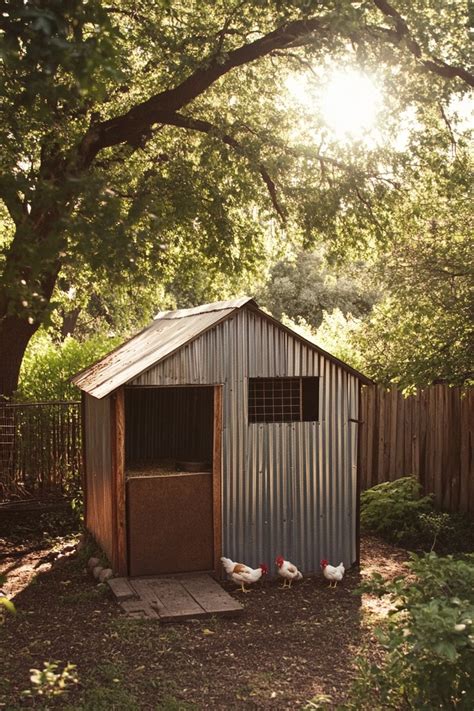
- Sunlight Exposure: Position the coop to receive morning sunlight, which helps dry out the coop, acts as a natural disinfectant, and provides warmth in colder months.
- Drainage: Build the coop on slightly elevated ground or ensure good drainage around the foundation to prevent moisture accumulation under or inside the coop.
- Roosting Bars: Provide ample roosting space away from droppings and in a well-ventilated area.
A well-designed coop minimizes the conditions that contribute to odors and disease from the outset.
Conclusion
Preventing chicken coop odors and disease naturally is an achievable goal that benefits both your flock and your quality of life. By focusing on excellent ventilation, embracing the deep litter method, maintaining a consistent cleaning routine, and utilizing natural deodorizers and pest deterrents, you can create a harmonious, healthy, and virtually odor-free environment for your backyard chickens. Regular observation of your flock and their living space will allow you to adapt these strategies as needed, ensuring a happy and productive coop year-round.