
How to prevent mushy homemade pickles from garden cucumbers?

The Quest for Crunchy Pickles: Understanding Mushiness
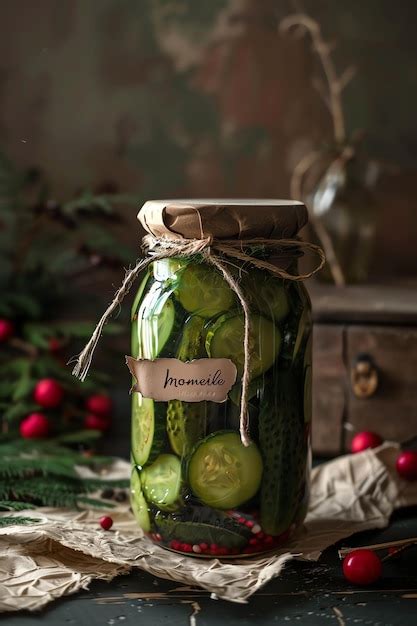
There’s nothing quite as satisfying as biting into a perfectly crisp homemade pickle, especially when made from your own garden’s bounty. Conversely, few things are as disappointing as opening a jar of mushy, soft pickles. Preventing this common pickling pitfall is entirely achievable with a few key strategies and an understanding of why cucumbers lose their crunch. Mushiness often stems from enzyme activity breaking down the pectin in cucumbers, improper brine strength, or over-processing.
Start with the Right Cucumbers
Your journey to crisp pickles begins in the garden, or at your local farmer’s market, by selecting the appropriate cucumbers. Not all cucumbers are created equal for pickling.
- Pickling Varieties: Opt for specific pickling varieties like Kirby, Boston Pickling, or Gherkins. These tend to have thinner skins, fewer seeds, and firmer flesh compared to slicing cucumbers.
- Freshness is Key: Use cucumbers that are freshly picked, ideally within 24 hours. The longer they sit after harvest, the more enzymes develop that contribute to softening.
- Size Matters: Choose small to medium-sized cucumbers (typically 3-6 inches). Larger cucumbers tend to have more seeds and higher water content, making them more prone to mushiness.
Crucial Preparation Steps
Before they even touch the brine, how you prepare your cucumbers plays a significant role in their final texture.
- Trim the Ends: The blossom end of the cucumber contains enzymes that can cause softening. Always trim off about 1/16th of an inch from both ends, especially the blossom end (the end opposite the stem).
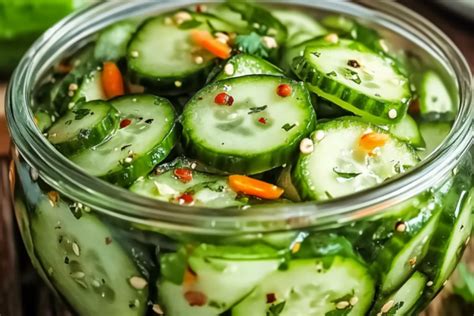
- Ice Bath: Soaking cucumbers in an ice bath for 2-4 hours before pickling helps firm them up. For extra crispness, you can even add a few ice cubes directly to your pickling jars before pouring in the hot brine.
- Optional Additions: Consider adding a few grape leaves or oak leaves to your pickle jars. These leaves contain tannins that can inhibit softening enzymes. Food-grade pickling lime (calcium hydroxide) is another option, though it requires an extra rinsing step and precise handling. A simpler and safer alternative is calcium chloride.
Mastering Your Brine Recipe
The brine isn’t just for flavor; it’s essential for preservation and texture.
- Use Pickling Salt: Only use pure pickling or canning salt. Table salt contains anti-caking agents and iodine that can cloud your brine and affect flavor and texture.
- Vinegar Acidity: Ensure your vinegar has at least 5% acidity. White vinegar is most common, but apple cider vinegar can be used for a different flavor profile. Do not dilute the vinegar beyond recipe specifications.
- Water Quality: Use distilled, filtered, or boiled and cooled tap water. Hard water minerals can sometimes interfere with the pickling process.
- Calcium Chloride: For an almost guaranteed crunch, add food-grade calcium chloride (often sold as ‘pickle crisp’ or ‘pickle enhancer’). A small amount added directly to each jar can significantly improve firmness without affecting flavor.
Processing and Storage Techniques
The final steps are just as critical for maintaining that desired crunch.
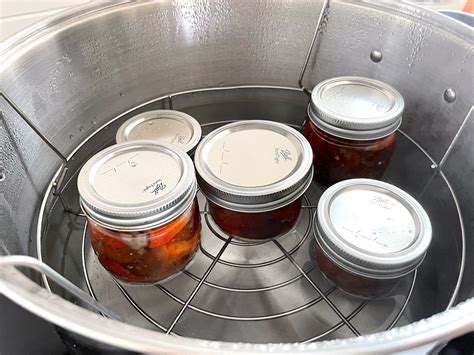
- Avoid Over-processing: Over-processing in a hot water bath is a primary cause of mushy pickles. Heat breaks down the cell walls of the cucumbers. Follow canning recipes precisely and process only for the recommended time, typically 10-15 minutes for pints or quarts, depending on altitude.
- Hot Pack vs. Cold Pack:
- Hot Pack: Involves pouring hot brine over raw cucumbers. This is generally preferred for safety and shelf-stability.
- Cold Pack: Involves pouring cold brine over raw cucumbers, often for refrigerator pickles which aren’t shelf-stable but can maintain a superior crunch.
- Proper Cooling & Storage: After processing, allow jars to cool undisturbed for 12-24 hours. Store pickles in a cool, dark place for at least 3-4 weeks before eating to allow flavors to meld and texture to develop.
Common Mistakes to Avoid
Keeping these pitfalls in mind can save your next batch of pickles:
- Using old or soft cucumbers.
- Skipping the trimming of the blossom end.
- Using non-pickling salt or low-acidity vinegar.
- Over-stuffing jars, which can prevent proper brine circulation.
- Processing for too long or at too high a temperature.
By paying close attention to cucumber selection, preparation, brine composition, and processing methods, you can confidently turn your garden’s bounty into jars of perfectly crisp, delicious homemade pickles every time. Enjoy the satisfying crunch!