How to prevent soggy bottoms in homemade fruit pies?
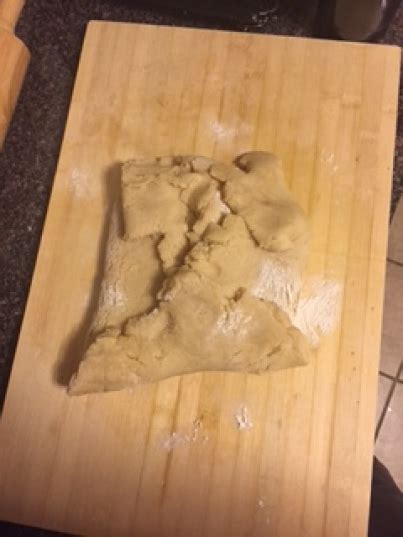
The dreaded ‘soggy bottom’ is a common frustration for home bakers attempting a beautiful fruit pie. Nothing is more disappointing than slicing into a seemingly perfect pie, only to find a wet, unbaked layer beneath your delicious filling. Fortunately, this culinary woe is entirely preventable with a few key techniques and a little know-how. Let’s dive into the secrets to achieving a golden, flaky bottom crust every time.
Understanding the Culprit: Moisture
At its core, a soggy pie bottom is a battle against moisture. Fruit fillings release a significant amount of liquid during baking. If this moisture has nowhere to go and the crust isn’t properly sealed or baked through, it will soak into the dough, turning it gummy and unappetizing.
Key Strategies for a Crisp Bottom Crust
1. Blind Bake Your Crust
This is arguably the most crucial step for many fruit pies. Blind baking, or pre-baking, the bottom crust before adding the filling gives it a head start, allowing it to dry out and crisp up before coming into contact with the moist fruit.
- Chill Your Dough: Before baking, ensure your pie dough is well-chilled to prevent shrinkage.
- Prick the Bottom: Lightly prick the bottom and sides of the crust with a fork to allow steam to escape.
- Line and Weight: Line the chilled pie shell with parchment paper or foil, then fill with pie weights, dried beans, or rice. This prevents the crust from bubbling up and keeps its shape.
- Bake Until Pale Golden: Bake in a preheated oven (usually 375-400°F or 190-200°C) until the edges are set and lightly golden, and the bottom no longer looks wet, typically 15-20 minutes with weights, then remove weights and bake for another 5-10 minutes if needed.

2. Create a Moisture Barrier
Even with blind baking, an extra layer of protection can make a huge difference, especially for very juicy fruits.
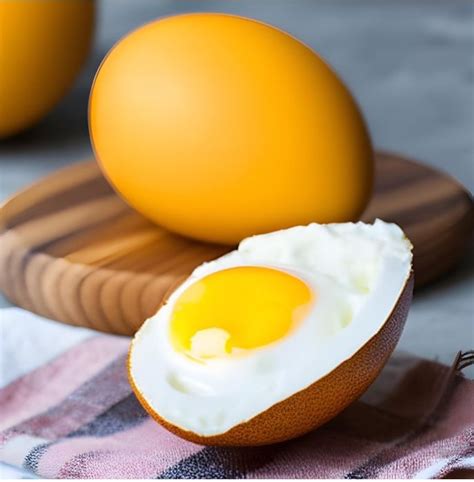
- Egg Wash: After blind baking and while the crust is still warm, brush the bottom and sides of the crust with a lightly beaten egg white or whole egg. The egg will cook and create a waterproof seal when baked again.
- Crumbs or Grains: Sprinkle a thin layer of fine breadcrumbs, crushed cornflakes, finely ground nuts (almonds work well), or even a tablespoon of quick-cooking tapioca onto the bottom of the crust before adding the filling. These absorb excess moisture.
3. Thicken Your Fruit Filling Appropriately
A well-thickened filling is less likely to release excessive liquid into your crust. Don’t skimp on thickeners!
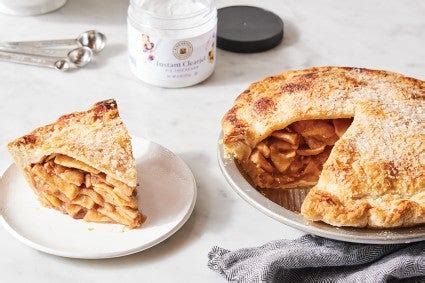
- Starches are Key: Cornstarch, flour, and tapioca are common choices. Cornstarch provides a clear, glossy finish, while flour can make fillings a bit cloudier. Tapioca pearls or instant tapioca are excellent for fruit pies as they absorb liquid during baking without becoming gummy.
- Measure Carefully: Always follow recipe guidelines for the amount of thickener. Too little, and you’ll have a watery mess; too much, and your filling might be gluey.
- Reduce Excess Juice: If your fruit is exceptionally juicy, consider draining some of the liquid before mixing in your thickener and sugar, or even simmering the drained juice separately to reduce it before adding back to the fruit.
4. Chill Your Dough Thoroughly (Again)
A cold pie dough is a happy pie dough. Chilling prevents the butter from melting too quickly in the oven, leading to a flakier crust. After assembling your pie, a final 20-30 minute chill in the refrigerator can help the crust hold its shape and prevent shrinkage, giving it a better chance to crisp up.
5. Use the Right Baking Temperature and Equipment
- Start Hot: Many pie recipes call for starting at a higher temperature (e.g., 425-450°F or 220-230°C) for the first 15-20 minutes, then reducing it to a moderate temperature (e.g., 375°F or 190°C) for the remainder of the baking time. The initial high heat helps set the crust quickly.
- Preheated Baking Sheet or Pizza Stone: Place your pie on a preheated baking sheet or pizza stone in the oven. This direct heat helps cook the bottom crust more efficiently.
- Avoid Over-Baking the Top: If your top crust is browning too quickly, loosely tent it with foil.
6. Don’t Overfill Your Pie
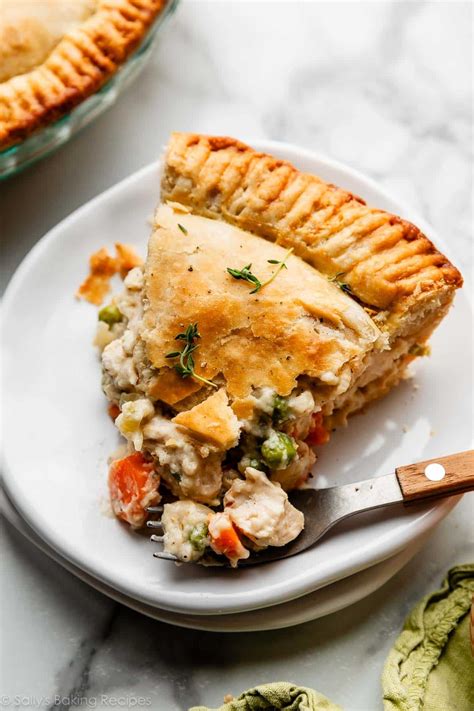
While generous fillings are tempting, an overstuffed pie can lead to spillage and prevent the bottom crust from baking evenly, trapping moisture.
Cooling and Serving
Patience is a virtue! Allow your baked pie to cool completely on a wire rack for several hours, or even overnight, before slicing. This allows the filling to set fully and any remaining moisture to evaporate, ensuring the bottom crust stays firm and crisp.
Conclusion
A soggy bottom doesn’t have to be an inevitable part of homemade fruit pies. By incorporating these techniques—from blind baking and moisture barriers to proper thickening and temperature control—you’ll be well on your way to crafting pies with consistently golden, flaky, and delicious bottom crusts. Happy baking!